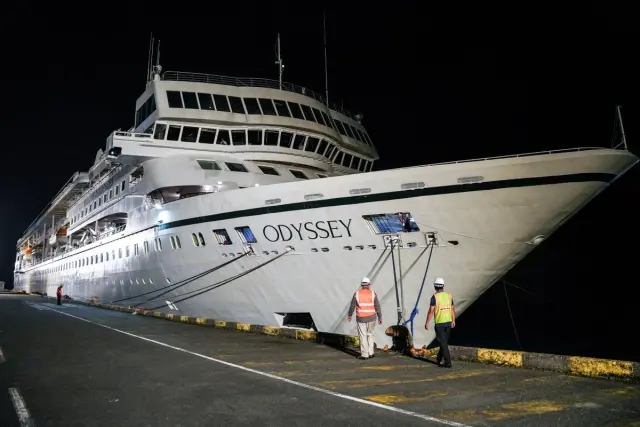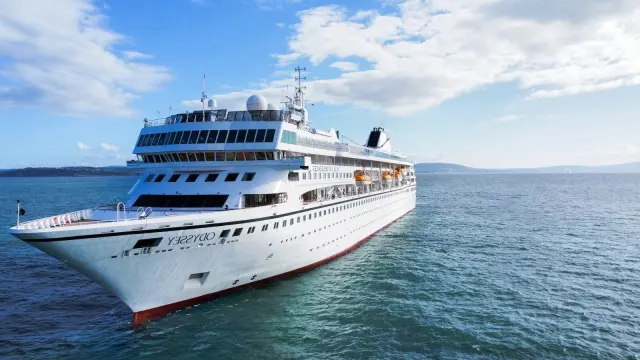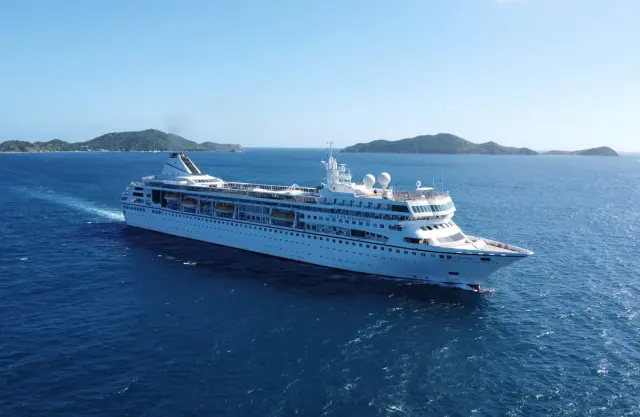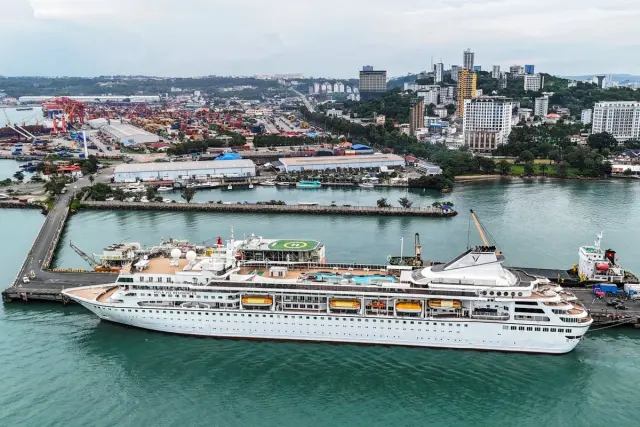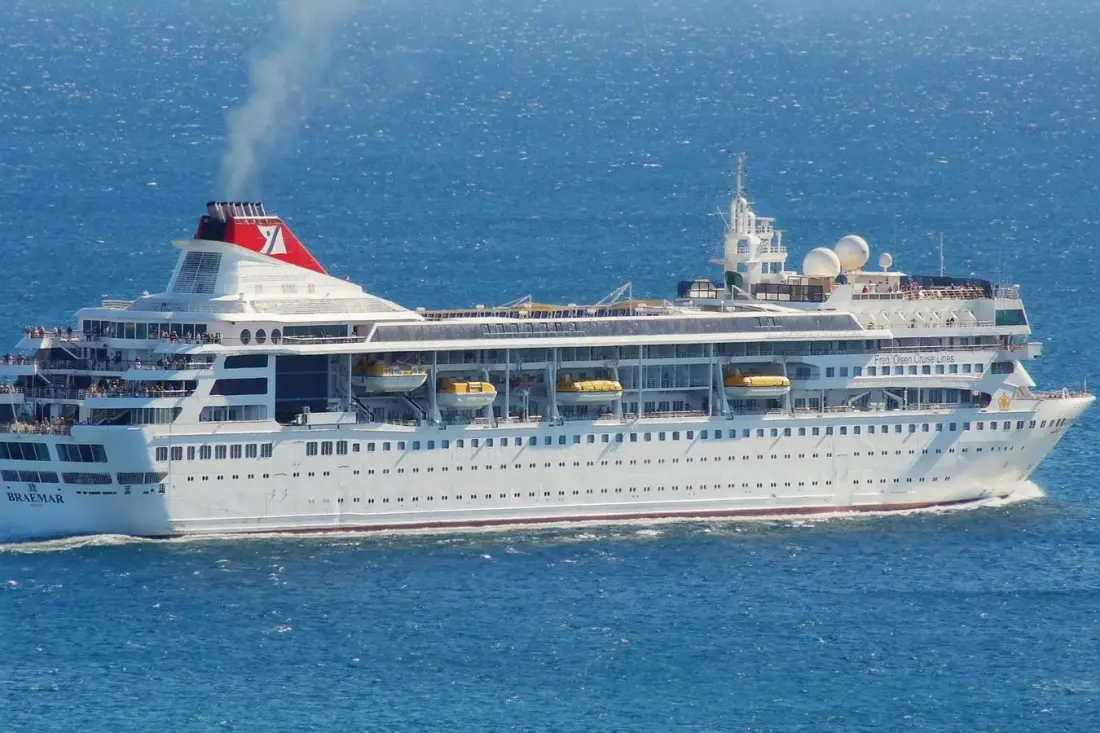
The MV Odyssey, a cruise ship meant to double as a permanent home for people who bought cabins to live at sea, left the Cambodian port of Sihanoukville on 3 November with no passengers on board. Its operator, Florida-based Villa Vie Residences, had cancelled the voyage days earlier, giving all 203 residents just hours to pack up and leave.
The numbers tell the story of how abruptly it ended. The ship reached Sihanoukville on 23 October; on 28 October residents were told to disembark. Several had paid more than US$300,000 for suites marketed as homes for the rest of their lives. By the time the vessel sailed, nearly 100 former residents were still in Sihanoukville trying to work out what came next — most of them Americans, some scattered elsewhere in Cambodia or already out of the country. One passenger, Shirine Thomas from Wilmington, North Carolina, told Reuters there were still belongings on board she wished she could have taken.
The company blamed fuel. Villa Vie said monthly fuel costs per cabin had jumped from roughly US$1,800 to between US$6,000 and US$8,000 in parts of Asia, driven by disruption to petroleum supplies around the Strait of Hormuz tied to the war in Iran. Slowing the itinerary and lingering longer in port, it said, was not enough to close the gap.
There is also a bigger financial drama behind the departure. Control of the ship has passed to its lender, whose identity has not been disclosed. According to a message to residents reported by CBS News, no sale has been scheduled, though multiple sources told the outlet the vessel may be headed to Singapore — where an auction is possible. Villa Vie founder Mike Petterson says the company hopes to reclaim the ship with an operational partner within 30 to 90 days, with the lender covering crew wages, fuel and safekeeping meanwhile. But no agreement is confirmed, and for the former residents there is currently no route back aboard.
For travellers, this is a cautionary tale about the residential cruise model rather than a story with a holiday angle you can book. Buying a cabin on a ship promising years at sea means pinning your money, and your home, to a single operator's cost assumptions — something even a modest spike in fuel prices can blow apart. Anyone tempted by long-term or live-aboard cruise products would do well to look hard at the operator's financials, what happens to payments if the voyage is cancelled, and whether contracts offer real protection. The Odyssey sailed from Belfast in October 2024 and managed at least 755 days at sea before stopping; it carried 203 residents against a capacity of 650, a hint that the economics were already tight.
Whether the ship ever resumes its world voyage now depends on a lender's patience, a funded rescue plan, and a partner willing to absorb fuel bills that have tripled or quadrupled in Asia.
Story first reported by Colombia One.