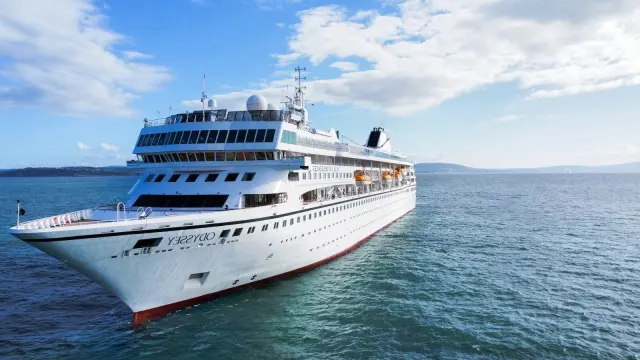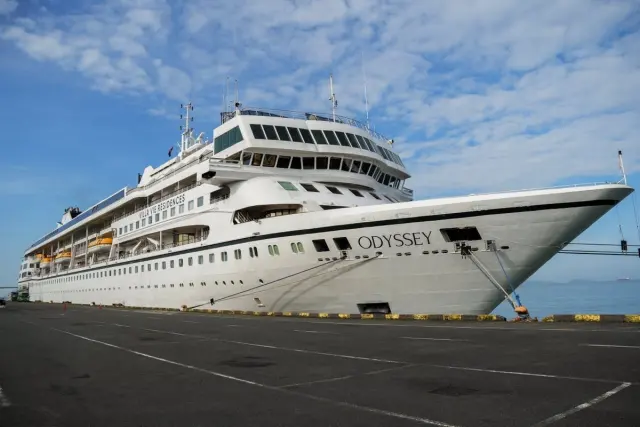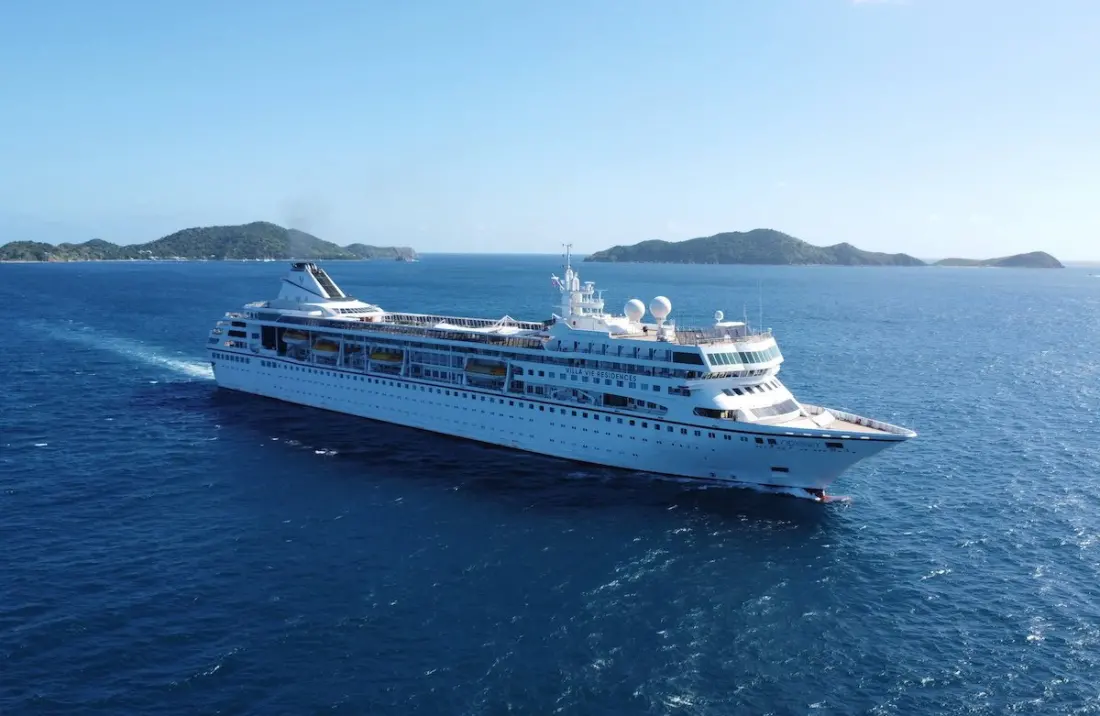
The idea sounded seductive: buy a cabin on a ship, pay a monthly fee covering everything from meals to Wi-Fi, and circle the globe indefinitely. Villa Vie Residences turned that fantasy into a business, then watched it collapse in a single day.
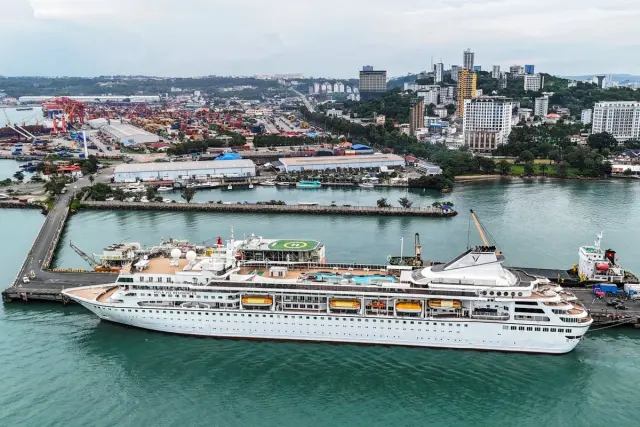
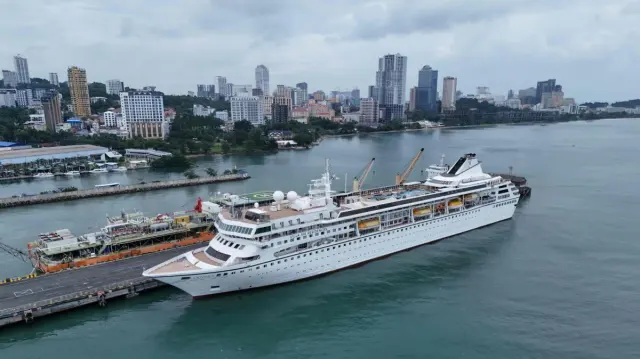
On October 27, 2026, management told residents the company was suspending operations and gave them mere hours to disembark — in Cambodia, where the Odyssey was berthed at the time. Many occupants were elderly, retired, and had effectively moved their entire lives aboard. The stated cause: fuel. Prices in parts of Asia had reportedly spiked by more than 300%, and the company had run out of cash. What used to cost around $1,800 per cabin per month in fuel had climbed to $6,000–$8,000. An attempt to slow the itinerary and cut fuel burn wasn't enough, and asking residents to find an extra $50,000-plus a year was never going to fly — many were on fixed incomes precisely because the pitch was a predictable, all-in price.
The backstory makes the ending less shocking. Villa Vie bought the Odyssey in 2023 — a ship dating from the early 1990s — and the concept launched in 2024, with over 70% of cabins reportedly sold. Even that start was rocky: the ageing vessel needed more work than expected, delaying boarding and forcing compensation payouts. Permanent residency was priced at $120,000 to $440,000 upfront depending on cabin type, plus monthly fees of $5,000 to $9,000 based on double occupancy, promising a circumnavigation roughly every three and a half years.
The company is now weighing Chapter 11 bankruptcy and hunting for a new financial partner, with hopes of securing one within about 60 days. Stranger still, just months before the collapse it had announced plans for a second ship — despite, by its own account, already facing crippling fuel costs.
For travellers, the lesson is less about this specific ship and more about the model. Any operator selling a lifetime of fixed-cost living aboard a decades-old vessel is betting against two unforgiving variables: volatile fuel prices and enormous, unpredictable maintenance bills. A young company without deep reserves has little room for either to go wrong. If you're eyeing residential or long-term cruise concepts, scrutinise who absorbs fuel risk, how old the ship is, and what happens contractually if operations stop. And keep a contingency plan — as these residents learned, 'hours of notice' is not a hypothetical.