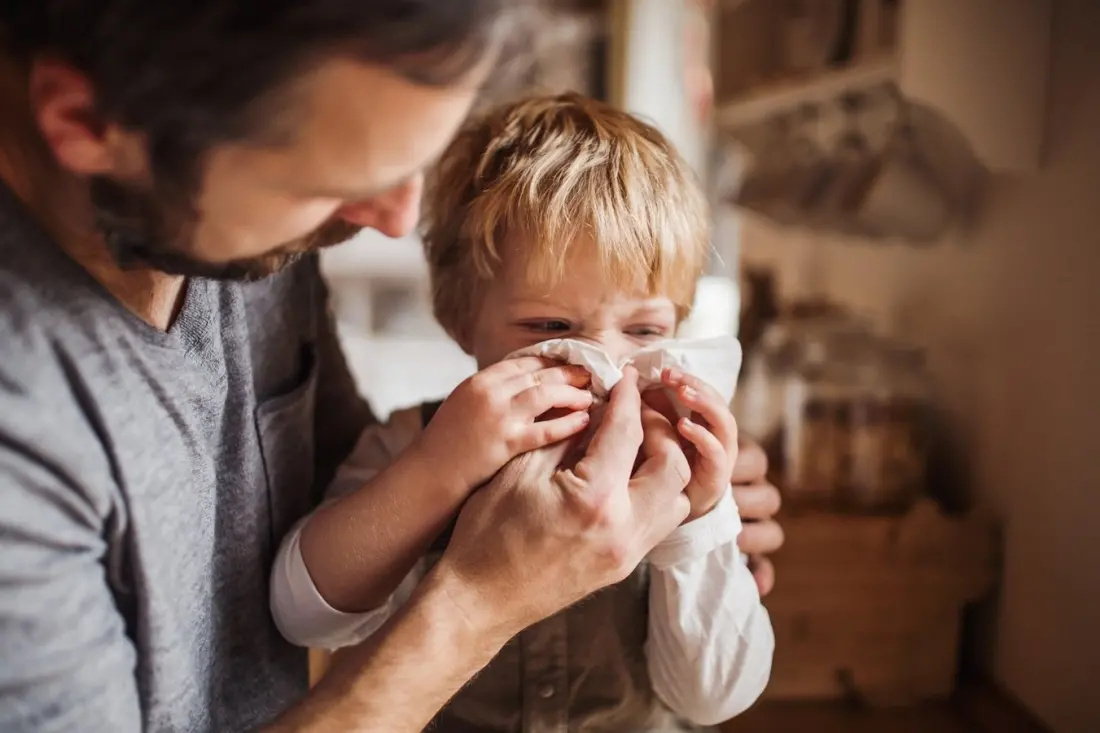
Flu season has landed just as holiday travel ramps up, and doctors warn this winter brings a cocktail of threats: COVID-19, influenza, RSV and norovirus all circulating as people crowd indoors and onto planes. The upside? The pandemic taught a whole generation of travellers how to fly without catching everything on board, and those habits work just as well against the flu.
Start before you board. Doctors quoted by The Points Guy recommend staying current on annual flu shots, COVID boosters and RSV vaccines where eligible, then shoring up your defences with decent sleep, a balanced diet and supplements such as vitamin D and zinc. Some evidence suggests 1,000mg of vitamin C daily helps people under stress — and holiday travel definitely counts.
On the plane, masks are optional but still effective. A 2020 US Department of Defense study found COVID transmission on aircraft was "extremely unlikely" when masks were worn, and they block other airborne respiratory viruses too. The CDC still advises masks for anyone with fever or respiratory symptoms, and for those seated nearby if the sick passenger can't wear one.
Hands are the bigger battlefield. Handwashing is, per the CDC, the single most important infection control measure — use soap and water, or a sanitiser with at least 60% alcohol. One physician suggests skipping the lavatory entirely on short flights: aeroplane bathrooms are shared by dozens of people, and germs cluster on sinks, flush handles and toilet seats. Use paper towels on anything you must touch.
Cabin air is another culprit. At 10–20% humidity (versus a comfortable 30–65%), the air dries out your nasal passages, making them an easier target for viruses. Bring your own water bottle and drink roughly eight ounces per hour in the air, and hold the alcohol and coffee until you land since both dehydrate you further.
Then there's the geometry of your seat. Aisle seats see far more traffic — unwell passengers often brace themselves on them walking to the bathroom — so a window seat lowers your exposure. High-touch zones worth wiping down with sanitising wipes include tray tables, seatbelt buckles, lavatory flush buttons and overhead air vents. Flu virus can survive on hard surfaces for up to 24 hours, so the seatback pocket is best left unused. And keep your hands off your face: germs only make you sick if they reach your nose, mouth or eyes. If you can't break the face-touching habit, gloves act as a useful reminder.
Counterintuitively, keep your air vent open. Directing it straight down creates what one doctor calls a "cone of protection" that pushes away airborne particles from a neighbour's sneeze. Meanwhile, the aircraft's HEPA filters strip out at least 99.97% of airborne viruses and bacteria, and cabin air is refreshed about 20 times an hour — twice the rate of a typical office.
For anyone flying over the holidays with a long-awaited trip on the other side, these habits cost almost nothing and could be the difference between a great week away and a holiday spent in bed.