Anyone flying to the United States — even on a connection — has had to complete a new health declaration since late on November 3, 2026. The form asks one key question: have you been in the Democratic Republic of the Congo in the 21 days before your flight?
The requirement comes from the US Centers for Disease Control and Prevention in response to a large Ebola outbreak in the DRC caused by Bundibugyo virus. As of October 31, the CDC had counted 10,467 confirmed cases and 5,103 deaths, with cases linked to the outbreak also reported in Kenya and Nigeria. It is described as the second-largest Ebola outbreak on record, spread across provinces including Ituri, North Kivu, South Kivu and Tshopo.
The rule covers everyone, regardless of nationality — US citizens, permanent residents and foreign visitors alike. It applies only to air travel, not land or sea crossings, and it applies even if the US is just a stopover before another destination. The 21-day window matches the virus's maximum incubation period, and it includes airport transits: even staying airside during a DRC connection counts as being present in the country. Flying overhead without landing does not.
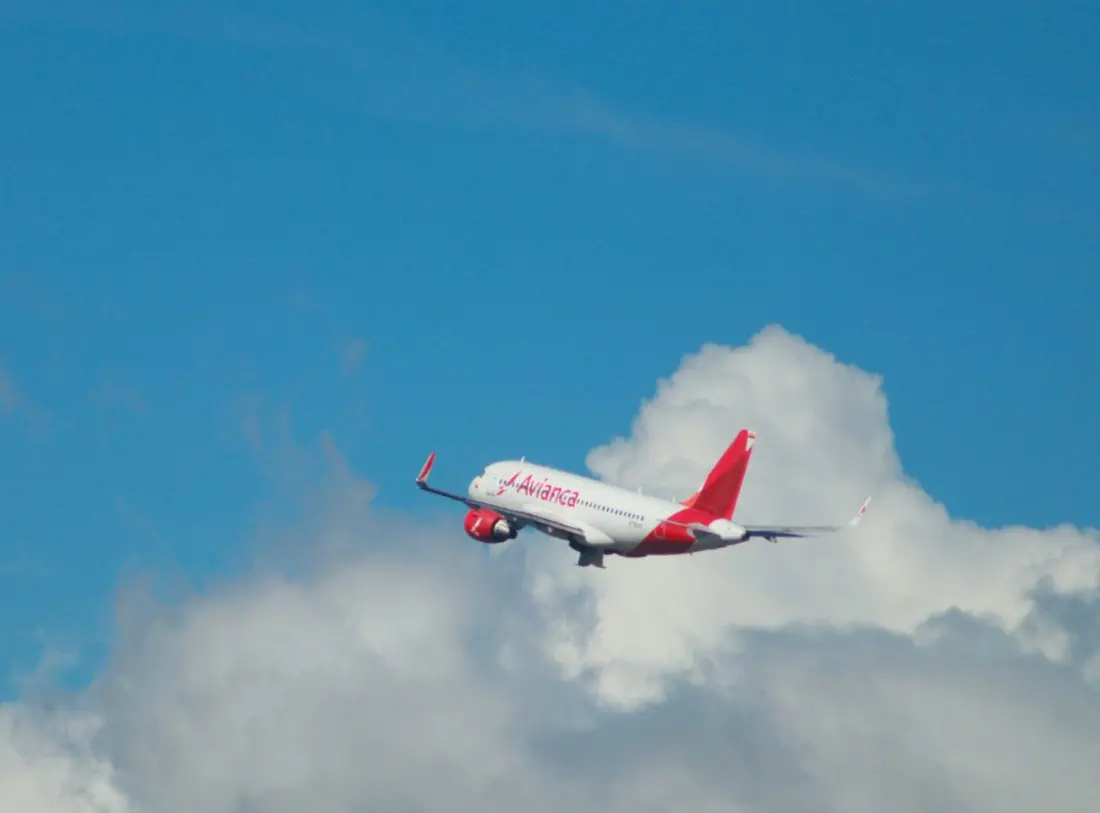
The declaration itself is a signed attestation, not a medical exam or a test — no testing is required to board. Airlines must collect it before departure, verify it's complete and keep records for at least 42 days after arrival in the US. Avianca, for one, has said it will accept both a digital submission and a signed paper form, but processes vary by carrier, so check with your airline before heading to the airport.
Here's the crucial part: if you have been in the DRC in the past 21 days, you cannot board a US-bound flight. The clock counts calendar days — the day you leave the DRC is Day 0, and travel to the US can begin on Day 22. False statements carry legal consequences, exemptions are rare and only granted by the US government, and passengers without a completed declaration can be denied boarding even with a valid ticket and visa.
Parents can complete a separate form for each child under 18 — one signature does not cover the whole family, since the airline needs a record per passenger.
The CDC says no cases linked to this outbreak have been confirmed in the US and the overall risk remains low; this is a preventive measure. Ebola spreads only through direct contact with a sick or deceased person's bodily fluids, not through the air or casual proximity. Note also that this declaration is separate from other US restrictions affecting people recently in the DRC, Uganda or South Sudan, which may involve rerouting to specific screening airports.
If you're heading stateside soon, the practical checklist is short: review your full itinerary for any DRC stops in the last three weeks, ask your airline how they want the form submitted, and keep your confirmation handy at boarding.