One family has taken their daughters on more than 100 flights — the eldest hit triple digits before turning five — and their big takeaway is refreshingly simple: the flight is a tiny fraction of your trip, so don't let nerves stop you from booking.
Their most useful insight is that strategy changes with every age. Under six months is genuinely the easy window: babies mostly sleep and eat, so flying amounts to feed, snuggle, repeat. Six to twelve months gets trickier as pre-walkers become wiggly lap passengers. The hardest stretch, they say, is ages one to two — toddlers want to move and ask for things they can't yet articulate, all while still on your lap. From about 2.5 to 3.5 years, things improve as kids can entertain themselves with stickers, drawing and snacks, and by 3.5 and up flying becomes genuinely relaxed.
Mindset is tip number one for a reason. Most passengers will have headphones on and barely notice your baby, and visualising both the wobbly moments and the calm ones helps you react without panic. Their own record isn't spotless either — their 1.5-year-old fought sleep on a recent 11-hour LAX to Frankfurt flight — so even veterans have rough flights.
On the practical side, a few moves pay off big. Consider airport lounge access: it sounds pricey, but with a hot water source for bottles, decent food, quieter seating and real coffee, it can cost less than a standard airport meal. Priority Pass comes with many mid-to-upper-tier credit cards, and the AmEx Platinum adds Centurion Lounges and Delta Sky Clubs. Watch the fine print, though — kids over two with their own ticket are charged adult entry, around $50 per child at Delta Sky Clubs and Centurion Lounges.
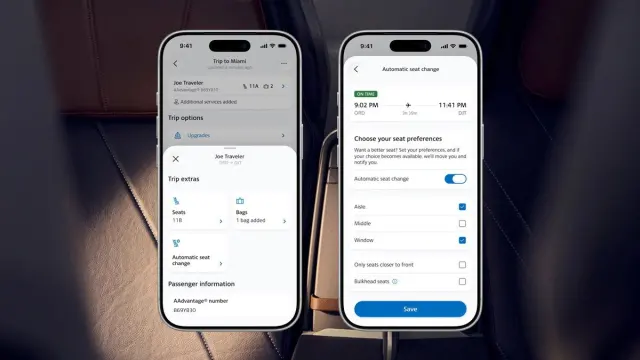
When booking, pay a bit more for humane departure and arrival times, layovers long enough to reach your gate but not hours longer, and skip airlines that nickel-and-dime carry-ons, because baby gear adds up fast. On long-haul routes, request the bulkhead bassinet seat even if your child is slightly too big for it — the real win is the extra legroom and floor space, not the bassinet itself. Expect to phone the airline, as these seats are oddly hard to book online.
Admin matters too: start the passport application as soon as you contemplate an international trip (their eldest applied at three weeks old), allow up to three months for processing, or pay to expedite. For US families flying internationally often, Global Entry for your child spares everyone a snaking passport-control queue after a long flight, when jet-lagged toddlers are at their least patient.
Ultimately the message is encouraging rather than perfectionist: take the tips that fit your child, ignore the rest, and treat the flight as the first adventure of the trip rather than an obstacle before it.