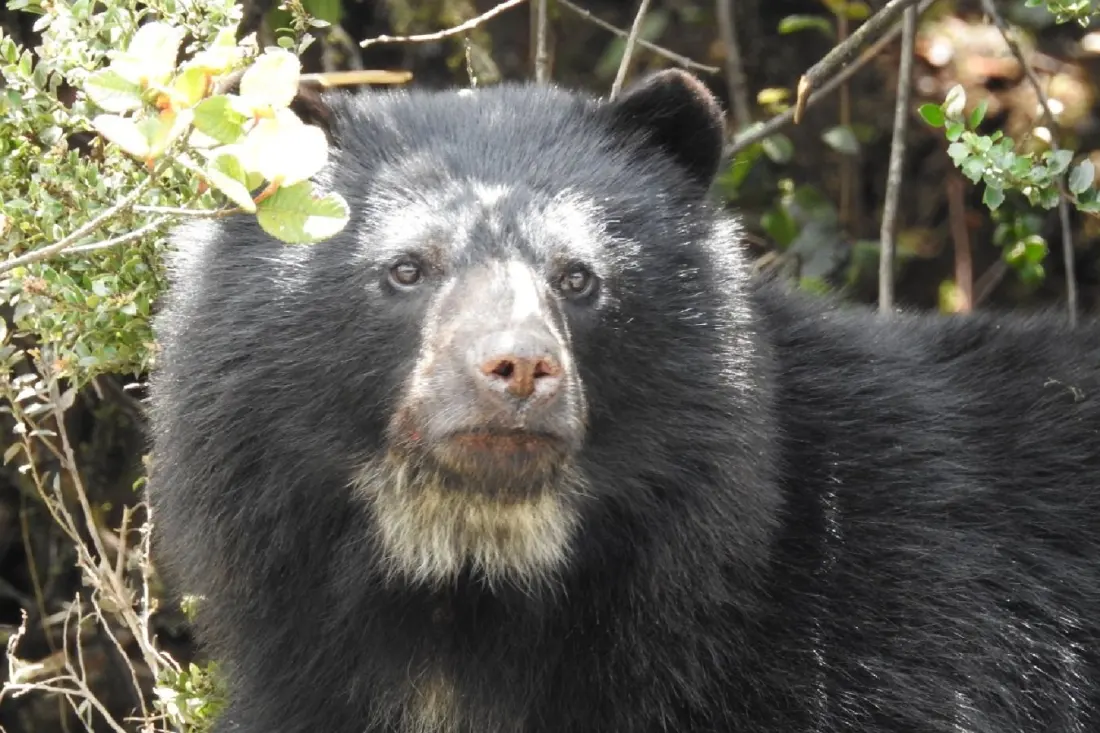
Researchers in Colombia have identified two animal viruses in wild species for the first time — and the trail leads back to the illegal wildlife trade. Canine circovirus turned up in Andean bears, jaguars, ocelots and mountain coatis, while pigeon circovirus was found in macaws and amazon parrots housed at the Wakata Biopark in Jaime Duque Park, north of Bogotá.
The study was carried out by Laura Valentina Sanchez Quintana, a master's researcher in Animal Health and Production at the National University of Colombia. Of the 19 mammals tested, six — about 31.6% — were positive for canine circovirus. Among the birds, 12 of 40 specimens, roughly 30%, carried pigeon circovirus. Notably, none of the animals showed any symptoms of illness.
Circoviruses are among the smallest known, at roughly 17 nanometers — far too tiny to see under a conventional microscope. The best-studied version affects pigs and has caused serious economic damage to farming, which is why scientists pay attention. In wildlife, the concern is subtler: the viruses may weaken an animal's immune system, leaving it more exposed to other diseases. There is no known risk to humans.
The bigger story is how the viruses got there. Many animals at Wakata are rescues from illegal trafficking, and Sanchez Quintana suspects some were already infected before arriving, having been transported and held alongside species they would never meet in the wild. Feral pigeons roaming the park's grounds are another possible route for the birds. Trafficking effectively dismantles the natural barriers between species, creating new chances for viruses and bacteria to jump between animals — a hidden cost of the trade beyond the obvious harm of removing animals from their habitats.
For the many animals that can't be released because of injury, behavioural changes or poor health, bioparks like Wakata become permanent homes, making disease monitoring and stronger health controls essential to conservation efforts.
Why should travellers care? Colombia is one of the world's most biodiverse countries, and wildlife-focused trips — from bear-watching in the Andes to parrot spotting in the Amazon — depend on healthy wild populations. This research is a reminder that responsible wildlife tourism matters: choosing legitimate reserves and sanctuaries rather than anywhere that lets tourists handle or photograph wild animals helps shrink the demand that fuels trafficking. Visiting an ethical biopark such as Wakata, or supporting conservation organisations working on reintroduction, puts your tourist dollars behind the monitoring and care these rescued animals need.