More than 160,000 people are expected to march through 34 German cities on Saturday, in one of the biggest youth-led protest days Germany has seen in years. Berlin, Frankfurt and Munich are among the cities on the list, and anyone planning a weekend city break in the country should be aware that central areas may be busier — and in places effectively shut down.
The demonstrations are organised by a campaign group called Gen Z regelt — roughly, "Gen Z takes charge." The demands centre on the cost of living, investment in schools and universities, and opposition to plans for compulsory military service. One Berlin student speaking to Reuters summed up the mood, describing university buildings so run-down they resemble abandoned properties.
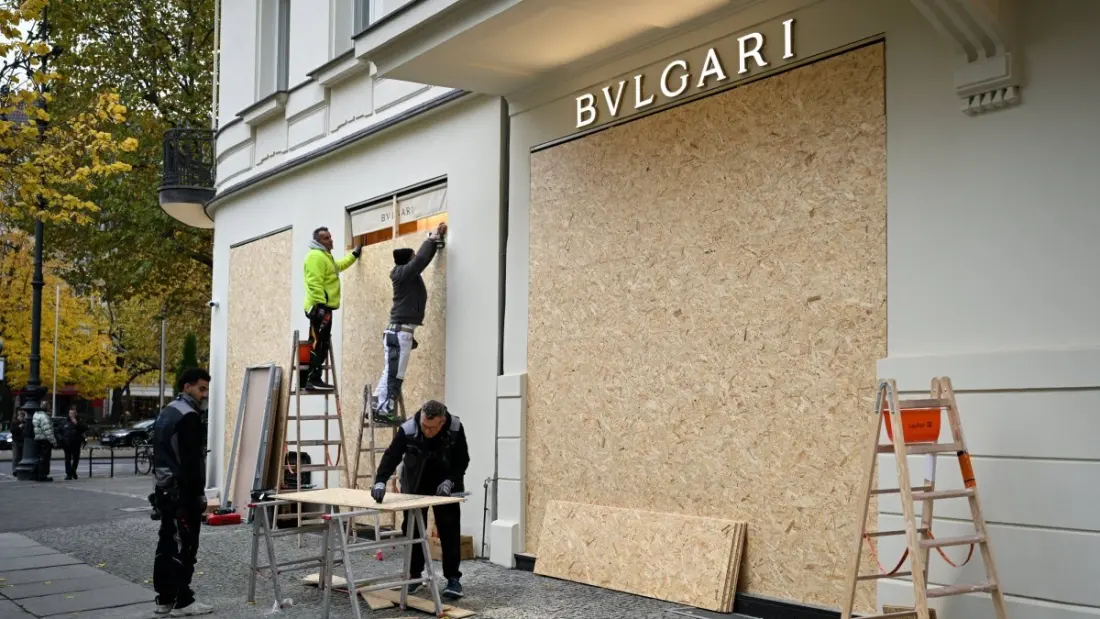
For visitors, the practical headline is the security response. Police expect the rallies to stay largely peaceful, but the interior ministry has warned that far-left and foreign-linked extremist groups may try to attach themselves to the marches. Hesse's interior minister, Roman Poseck, invoked the recent rioting in France as a scenario Germany does not want repeated. In Berlin, shops along the upscale Kurfürstendamm boulevard are boarding up windows and closing early — so some retail and dining spots in prime areas may simply not open on the day. The timing also collides with Halloween celebrations, adding another layer to security planning in major cities.
The context behind the anger is economic. Germany is grappling with sluggish growth, an ageing population and pressure on pensions and public services, and young people feel they are being handed the bill through spending cuts and rising costs. The movement has echoes elsewhere in Europe — Serbian student activism recently helped unseat the country's long-time leader at the ballot box, while French protests have at times turned violent.
Not everyone is on board, though. Germany's national school student organisation, the BSK, has distanced itself from Gen Z regelt and plans its own separate nationwide day of protest on 20 November — another date to keep in mind if you are travelling later in the month. Organisers themselves concede the movement is a broad coalition, which makes its direction harder to predict.
Why should a traveller care? Mostly for the disruption risk. Large rallies in city centres typically mean street closures, rerouted public transport, packed stations and the occasional shuttered business. None of this should ruin a trip to Germany, but if you are visiting Berlin or Munich on a protest day, build in extra time, keep an eye on local police and transport updates, and steer around the main rally sites if crowds are not your thing. The far more likely outcome is a peaceful, even festive day — Halloween weekend in a big German city will go ahead one way or another.