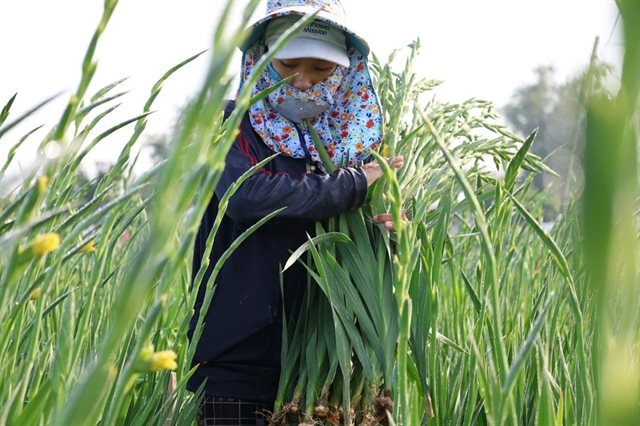
In An Phú Commune, a rural corner of Quảng Ngãi Province in central Việt Nam, more than 70 households spend their year coaxing gladioli into bloom for the Lunar New Year. That generations-old craft has just been entered on the province's Intangible Cultural Heritage Inventory List, a formal nod from the Quảng Ngãi People's Committee to farming knowledge that has shaped the area's identity and economy for decades.
An Phú is central Việt Nam's biggest gladiolus hub. The commune has over 200 flower-growing households working more than 50 hectares, and the gladiolus — with its tall spikes of vivid colour — is the flagship crop. Local blooms are prized for thick stems and bright, full blossoms, which makes them a favourite for ancestral altars and home decoration during Tết, when the flower symbolises luck and prosperity. Beyond Quảng Ngãi itself, An Phú gladioli are shipped across the central coast and the Central Highlands.
What earned the heritage listing isn't just the flowers — it's the know-how behind them. The recognition specifically covers traditional cultivation techniques, and a defining feature of An Phú's craft culture is how openly it's shared: veteran farmers actively mentor newcomers on skills and seasonal timing so every household can maintain quality. The updated inventory entry also documents the techniques in more detail and extends the listed growing area.
The decision swept in a few other local traditions at the same time, painting a fuller picture of An Phú as a small commune with a rich cultural slate: the Ngũ Hành Goddess Temple Festival (also known as the Lantern Festival), traditional vegetable-growing knowledge, rice paper making, and the preparation of don — a distinctive Quảng Ngãi delicacy made from river creatures served with rice crackers.
For travellers, this is a reminder that some of Việt Nam's most interesting culture lives in its farm villages, not just its cities and beaches. Quảng Ngãi sits on the south-central coast, often bypassed on the way between Đà Nẵng and Quy Nhơn, and An Phú offers a rare chance to see a working flower economy up close. Time a visit in the weeks before Tết (typically late January to mid-February) and you'll find fields at their most photogenic, with growers harvesting spikes destined for altars across the region. It's also a good excuse to linger locally: try the don, seek out fresh rice paper, and if your timing catches the Lantern Festival, so much the better.
Who's it for? Slow travellers, photographers, food-focused visitors and anyone who'd rather spend a morning walking flower rows than queuing at another landmark. It's not a ticketed attraction — it's a living community — so go respectfully, ask before photographing people at work, and consider buying a bunch straight from a grower. This year's crop has reportedly come through with barely any pest or disease problems, so the fields should look their best.