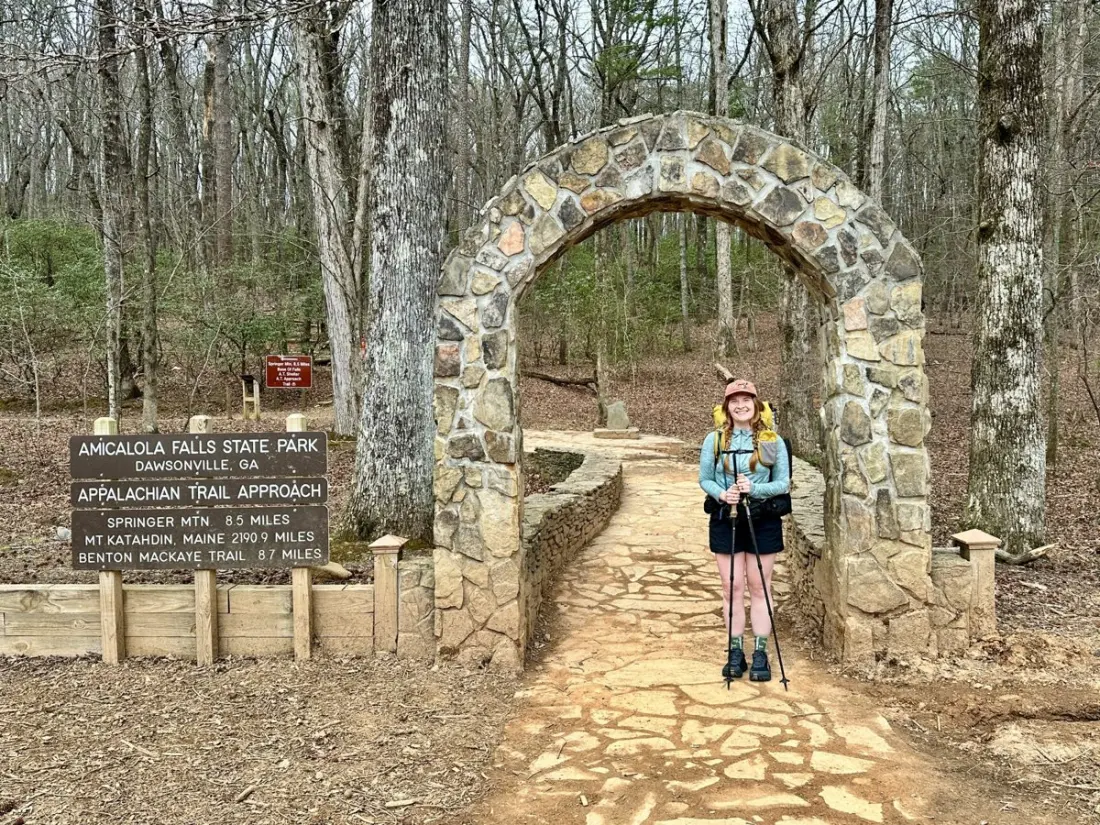
Eight months of silence on a hiking blog usually means something went wrong. In this case, it meant the opposite: the hiker finished the entire Appalachian Trail and simply had nothing left in the tank for content creation.
Writing for The Trek, the blogger set out with an ambitious plan of publishing two posts a month during their thru-hike of the roughly 2,190-mile trail that runs from Georgia to Maine. The arithmetic of life on the trail made that impossible almost immediately. A thru-hiker's day is full — walking for hours, pitching camp, cooking dinner, managing chores and sleep — and any spare energy evaporates before evening. Most nights, the writer struggled to keep up even a private journal, never mind polished posts or social media updates.
Rather than treating that as a failure, the hiker made peace with it. Staying fully present in the experience mattered more than documenting it in real time, and the decision to step back from the blog became deliberate rather than accidental.
The most interesting detail is the journal that replaced it. The writer hadn't planned to keep one at all — it was the hiking group's habit, picked up by watching trailmates write each night. Choosing pen and paper over a phone app was also a practical call: conserving phone battery is a constant concern on a long hike. The extra few ounces in the pack paid off. Journaling became a nightly ritual even on exhausted days, and it unlocked unexpected creativity — the writer started sketching whenever the mood struck. Now that the hike is over, those entries are the raw material for catching up on months of unshared stories, from trail town detours to the people met along the way.
The takeaway for anyone eyeing a long-distance hike is refreshingly honest: don't expect to be a content creator and a thru-hiker at the same time. The romantic idea of blogging daily from the trail collides with reality fast, when your to-do list is just water, food, miles and sleep. If you want a record, a lightweight paper journal is a far better companion than a content calendar — it costs battery, weighs little, and captures the experience on your terms. And if you'd rather read about the trail than walk it, the writer promises the stories are coming, one retrospective post at a time.
The piece also flags something worth knowing before you go: the physical and mental load of a thru-hike is bigger than most people budget for, and the hikers who thrive are usually the ones who adjust their expectations — of pace, of gear, and of what counts as a successful day.
For day-hikers and section-hikers, the lesson scales down nicely too. A pocket notebook turns a weekend hike into a story you can still tell six months later, and it never needs charging.
Story first published by The Trek.