Most people asked to name the second-largest island in the United States would guess somewhere tropical. The correct answer sits in cold northern waters: Kodiak Island, Alaska. Only Hawaii's Big Island is larger, while Puerto Rico — the third-biggest — trails Kodiak by just 75 square miles. Yet the two could hardly feel more different.
Kodiak covers 3,588 square miles and anchors an archipelago of the same name off Alaska's southern coast. Where Puerto Rico has more than 3 million residents and millions of annual visitors, Kodiak counts roughly 13,000 inhabitants and only about 30,000 tourists a year. Most of those visitors arrive by cruise ship and spend just a few hours ashore, which means anyone lingering longer has the place largely to themselves.
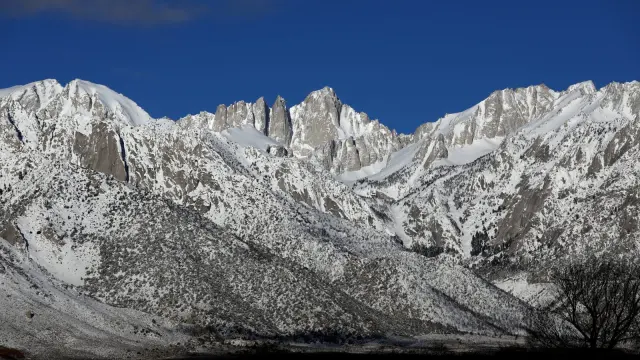
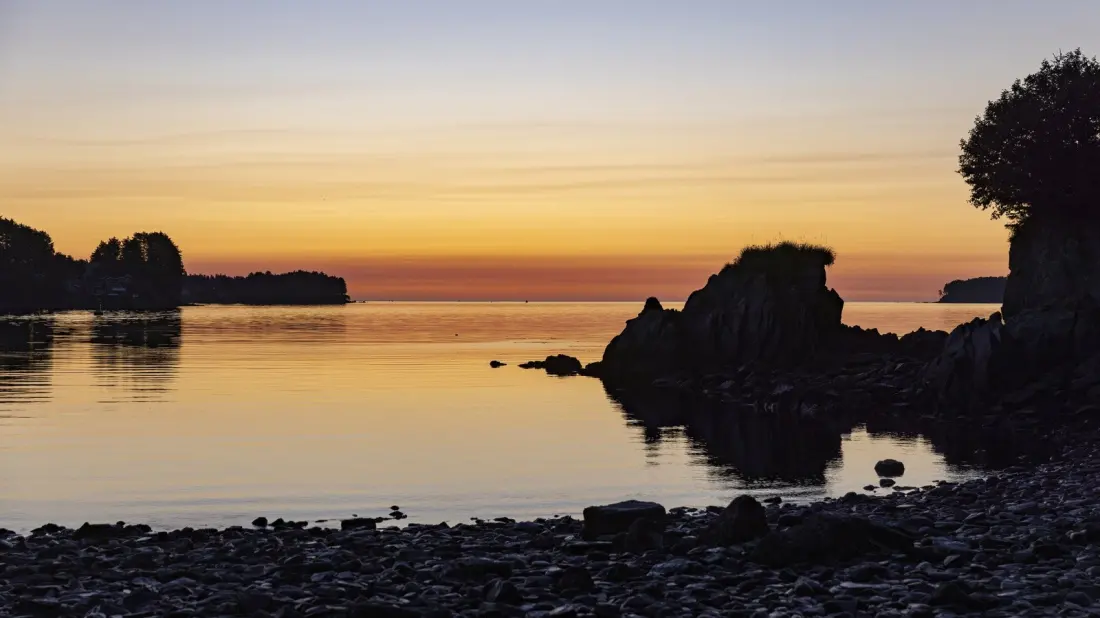
That low-key profile is exactly the appeal. Nearly two-thirds of the island falls within the Kodiak National Wildlife Refuge, close to two million acres of protected wilderness with barely a footprint on it. The scenery runs to glacier-carved valleys, steep fjords and mountain ridges, all softened by an unusually lush green cover that has earned Kodiak the nickname "The Emerald Isle" — a title you might sooner expect in Ireland or the Caribbean than southern Alaska.
Wildlife is the main draw. Kodiak is often called the Brown Bear Capital of the World, home to the large Kodiak brown bear subspecies found almost nowhere else. Red foxes, Sitka black-tail deer, reindeer, beavers and even bison roam the island, while bald eagles and a wide range of bird species fill the skies. For travellers who care more about bears and fjords than beach bars, it is about as wild as an American island getaway gets.
The catch is access. Kodiak is remote even by Alaska standards, reachable by air or the Alaska Marine Highway ferry, and the weather is famously changeable. Accommodation is limited to the town of Kodiak and a scattering of lodges and cabins, so planning ahead matters — especially in the short summer window when the island is at its most accessible and the wildlife most active. Anglers come for salmon and halibut; hikers find trails radiating from the road system around town; photographers come for the bears, ideally with a licensed guide.
Who is this for? Not the fly-and-flop crowd. Kodiak suits travellers who have already done Alaska's marquee stops and want something quieter, or anyone who dreams of an island trip where the population of bears per square mile beats the population of people. It is a working island — fishing is the economic engine — and that unpolished, small-town feel is part of the charm.
If your island fantasy involves sand and cocktails, Puerto Rico will serve you better. But if you want America's second-largest island at its wildest, the route goes north to Kodiak.
Story via Islands.