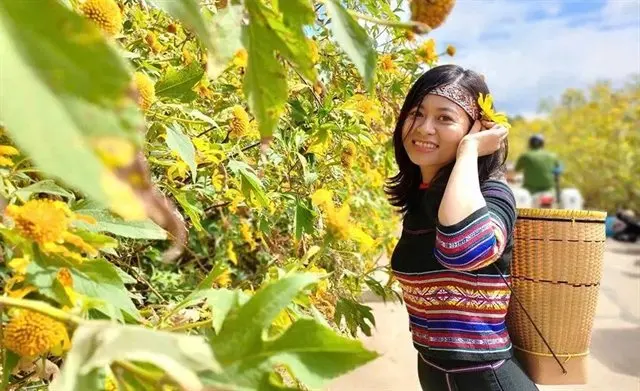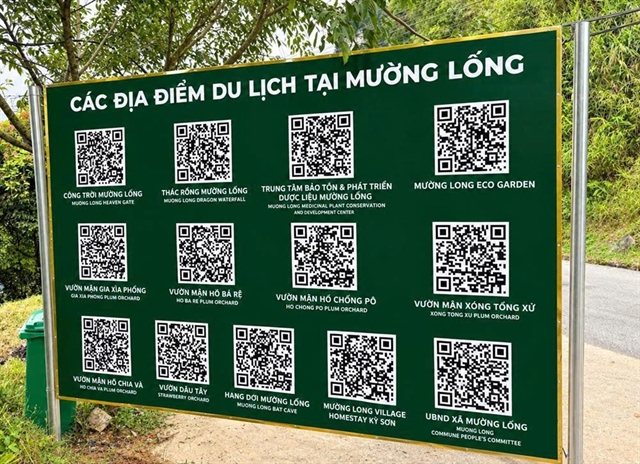
Deep in the western highlands of Nghệ An Province, near the Lao border, ethnic minority villages are quietly building a tourism economy with smartphones rather than slogans. In Mường Lống Commune, home to the Mông community, QR codes at check-in points now hand visitors maps, cultural context and tips for exploring community-based tourism on their own terms. Six family-run homestays plus the Mường Lống Eco service area are using social media and online booking platforms to reach travellers who would never have found them a few years ago, and the same digital channels are helping sell Mông brocade embroidery alongside room nights.
It's not just about tourism. In Huồi Tụ Commune, residents are being coached on marketing farm goods online — Shan Tuyết tea, purple amomum and local livestock among them. Shan Tuyết, an ancient tea variety picked from old-growth trees in these mountains, hit nearly 80 tonnes of production in 2025 and is increasingly packaged as a speciality sold through e-commerce. For visitors, that means you can now taste and buy teas at the source that used to disappear into generic wholesale channels.
Even job opportunities are going digital. In Môn Sơn Commune, recruitment notices circulate through Zalo, Facebook and local community networks — 860 workers found employment through these channels in the first half of 2026 alone. The practical upshot for the region: young people have more reasons to stay, and the cultural life that makes these villages worth visiting is being reinforced rather than hollowed out.
The whole push ties into Vietnam's national digital transformation agenda under Resolution 57-NQ/TW, issued in late 2024, but on the ground it looks refreshingly unglamorous: officials teaching villagers how to post products, photograph homestays and answer enquiries. Other communes are doing the same for traditional textiles and local food specialities, linking crafts directly to tour bookings.
For travellers, this is a rare chance to visit a community tourism scene before it matures. Western Nghệ An sees far fewer foreign visitors than Sapa or Mai Châu, yet offers stilt-house homestays, Mông weaving, mountain tea forests and genuine host-guest interaction. Going now means your homestay booking or brocade purchase genuinely supports the household that made it — and you'll likely be one of the few outsiders in the village.