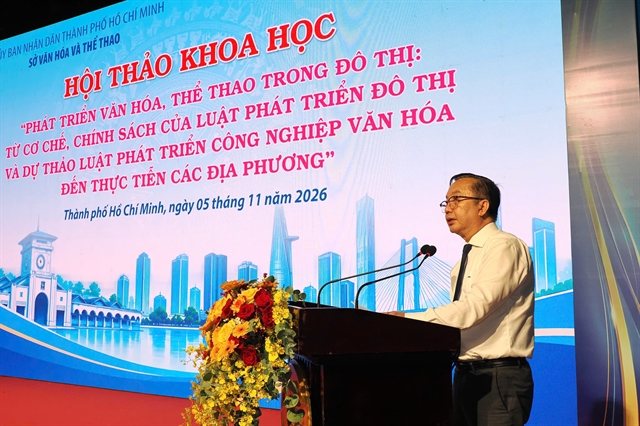
Ho Chi Minh City is growing faster than its cultural infrastructure can keep up with, and officials spent a day in early November trying to fix that. At a workshop on 5 November, organised by the city's Department of Culture and Sports with the Ministry of Culture, Sports and Tourism, policymakers and academics debated how to give culture and sport a firmer legal footing in urban planning — partly as a build-up to Vietnam Culture Day on 24 November.
The core problem is familiar to anyone who has navigated the city's crowded districts: land is scarce, and the share of wards and communes with standard cultural and sporting facilities still sits below national targets. Deputy director Le Van Thai argued the gap isn't only about money. It reflects weak legal links between urban infrastructure planning and the development of cultural and sporting life.
Two pieces of legislation could change that. The newly enacted Law on Urban Development gives municipal authorities more say over land use, underground and elevated space, transit-oriented development, public assets, the night-time economy and cultural-sports complexes. Meanwhile a draft Law on Cultural Industries Development would set out frameworks for creative infrastructure, finance, tax incentives and intellectual property. Speakers urged that the two be aligned so the city can actually put them to work.
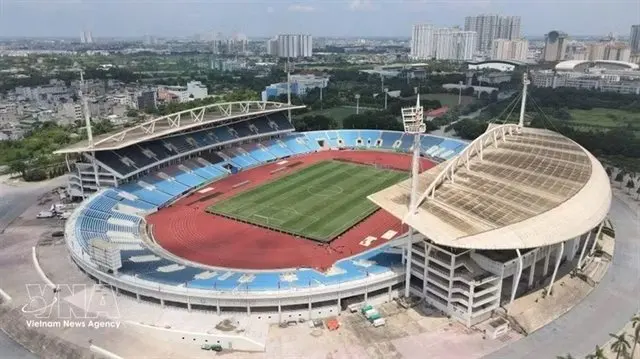
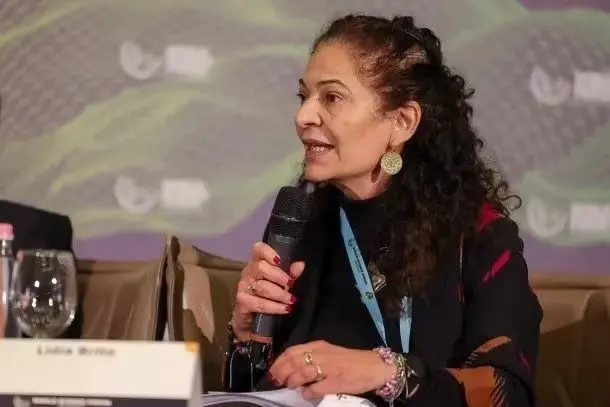
For visitors, several threads in the discussion point to what could change on the ground. Experts pushed for multi-purpose sports venues, smarter land planning for cultural facilities in dense neighbourhoods, and a clearer framework for the night-time economy — balanced, participants stressed, against noise pollution and residents' quality of life. Dr Nguyen Thi Hien Thanh of Hoa Sen University noted that major sporting events can bring real economic and tourism benefits, but their long-term cultural impact is rarely assessed; she suggested digitalising data to make better use of sports facilities and events. Others proposed blending heritage, sport and the circular economy into digital experiences, using technology and gamification. There was also a pitch to bring traditional performing arts to younger audiences, especially through schools.
The workshop wrapped with seven areas flagged for further work — among them the night-time economy, traditional arts, sport and virtual reality — and four city priorities: better legal mechanisms, restructured cultural institutions, a cultural industry ecosystem, and talent policies. Recommendations will feed into the draft cultural industries law at national level.
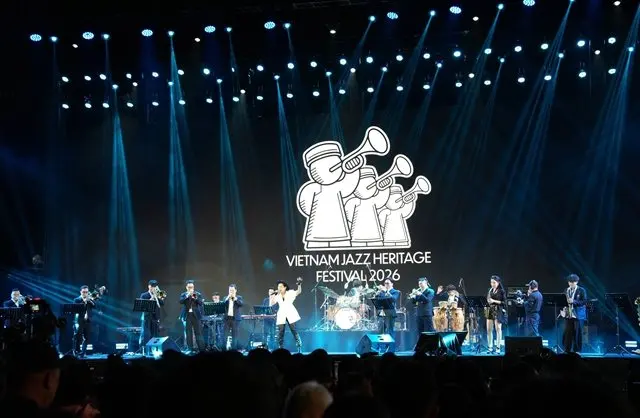
Why should a traveller care? Because these are the levers that shape what a city actually offers after dark and on weekends: live performance venues, riverside events, neighbourhood sports facilities and a nightlife scene that can grow without tipping into chaos. Ho Chi Minh City already has an energetic cultural pulse — this is the groundwork for making it easier to find and enjoy. It's a story to watch if you're planning a trip in the next couple of years.
— Vietnam News Life