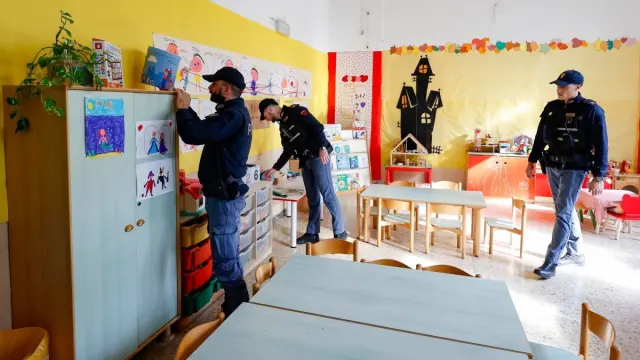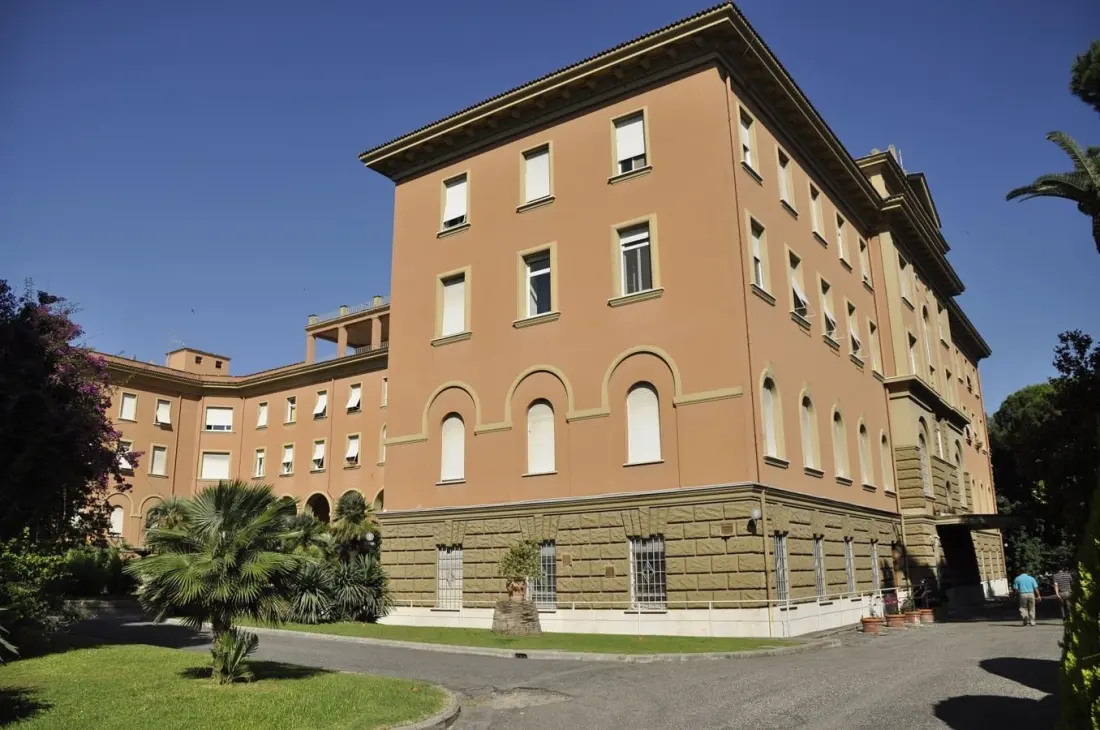
Roughly 300 schools across Italy were evacuated this week after threatening emails claimed explosives had been planted inside buildings. The messages went to more than 6,300 schools nationwide, hitting Rome, Milan, Naples, Palermo and Bologna, and were signed with the alias of a self-declared group leader. Police inspected buildings, parents scrambled to collect their children, and Prime Minister Giorgia Meloni moved quickly to reassure families that checks had found no evidence of a genuine device. Education Minister Giuseppe Valditara called the warnings hoaxes, and investigations are ongoing.
Italy wasn't alone. Similar emails reached schools in Ireland, Northern Ireland and Scotland — around 300 institutions in Northern Ireland and roughly 470 in Scotland — though police there judged the risk low and advised against evacuations. Investigators have noted overlaps with threatening emails sent days earlier to media outlets in Ireland and Bulgaria, and the same fictitious identity appears in several messages, fuelling suspicions of a coordinated campaign. No one has claimed verified responsibility, and officials from Russia to Iran have been mentioned only as speculation, not fact.
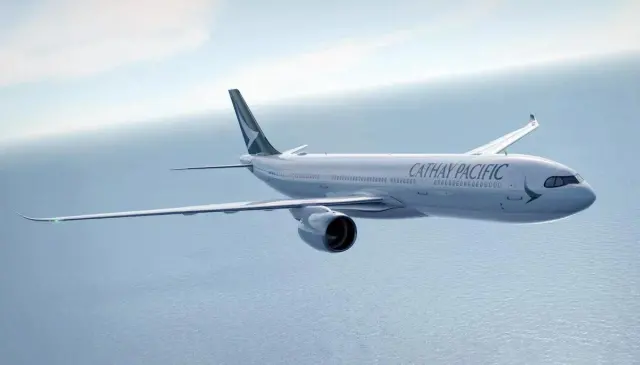
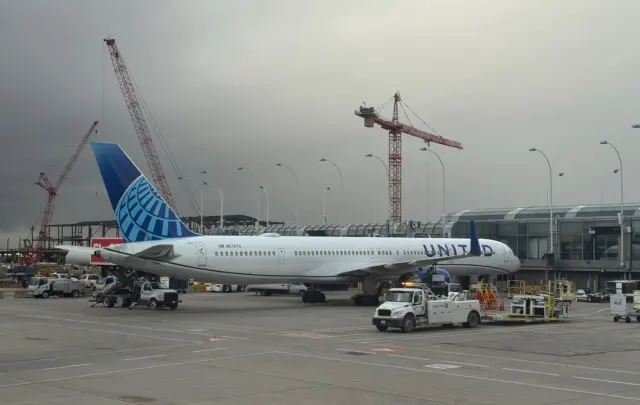
For travellers, the more relevant strand of this story involves aviation. On November 5, around 20 commercial flights across Europe received bomb threats later judged false. Airlines affected included Ryanair, Aer Lingus, Finnair, LOT Polish Airlines, Aegean and Wizz Air. An Aer Lingus flight from Dublin to Rome diverted to a French military base, where everyone on board was evacuated before inspections found nothing. Other alerts triggered diversions, cabin searches and even military escorts in Austria, Bulgaria, Poland and the Czech Republic.
The school threats sit within a wider pattern of hybrid disruption: France recently summoned the Iranian ambassador after cyberattacks knocked out refrigeration systems at hundreds of supermarkets, and European authorities are also watching incidents involving air traffic control systems and media outlets. The defence ministries' read is consistent — the goal appears to be spreading fear and grinding normal life to a halt, not causing physical harm. As Italian Defence Minister Guido Crosetto cautioned, however, it's too early to attribute the campaign to any state actor; attention-seekers or chaos-makers could be behind it too.
What does this mean if you're heading to Italy or elsewhere in Europe soon? Practically, very little changes: these are false alarms, and life in Rome or Milan continues as normal. But it's worth knowing that hoax threats can genuinely disrupt your day. Flights may be diverted or held for inspection, and rail or urban services can pause while police respond. Build buffer time into connections, keep your airline's app notifications switched on, and follow crew or police instructions without delay if an evacuation happens. Travel insurance covering missed connections is a sensible precaution in the current climate.
European security services are treating the wave of alerts seriously and coordinating across borders. Until the picture clarifies, occasional disruptions remain possible — annoying, but so far harmless.
Story via Colombia One.