A pin on a map during lockdown turned into a life-changing year for one Australian couple. Exhausted by Florence's international student crowd, they closed their eyes, pointed at Italy, and landed on Monopoli — a small port town in Puglia, deep in the heel of the boot. Within two weeks they had packed up and taken the train south, and what they found was the slow, sun-soaked version of Italy they'd been chasing all along.
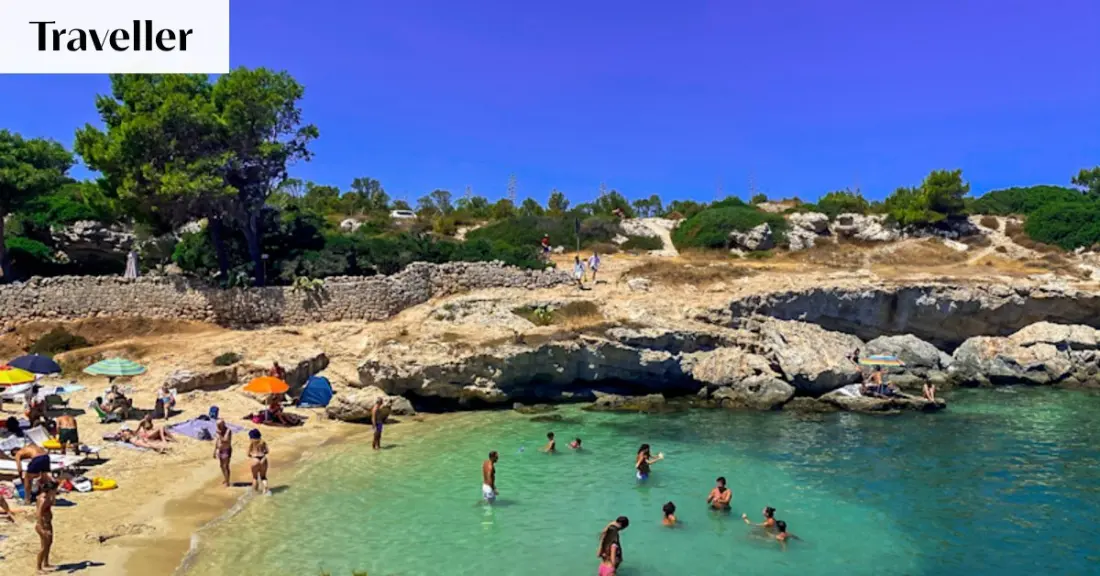
Monopoli sits on one of Italy's longest regional coastlines, with roughly ten beaches reachable on foot from the old town. The pretty main beach, Cala Portavecchia, sits right against the city walls and gets the day-trippers. Locals know better: a ten-minute walk brings you to Porto Rosso, a sheltered cove ringed by cliffs where the water is famously clear and calm. Mornings there involved nothing more than a towel, a swim and the slow unfolding of the day.
Life in town runs on old rhythms. Shops shutter on Sundays, a farmer parks his truck near the beach selling tomatoes and strawberries from his plot twenty minutes out of town, and fishermen land octopus and scampi — a bag of the latter for five euros. The writer's balcony overlooked a piazza where schoolchildren rehearsed dance routines to Italian pop, and a butcher handed over salami samples along with impromptu Italian lessons to pair with their Duolingo streaks.
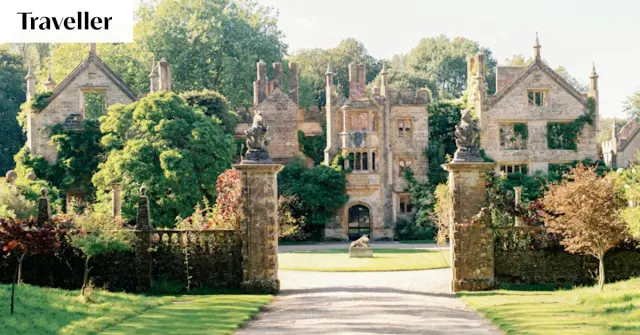
The town's look tells its history. Successive Greek, Roman and Spanish rulers each left their stamp, which is why whitewashed houses sit alongside honey-coloured stone churches in a pleasingly mismatched jumble. One local, journalist Eustachio Cazzorla, started running the town's only English-language walking tour after his newspaper folded — and has since become a quiet drawcard for Australian visitors. The couple loved the town enough to return in 2025 and marry at a 13th-century masseria in nearby Martina Franca, a half-hour drive inland through olive groves, with Eustachio on hand to open the champagne with a sabre.
Why should a traveller care? Monopoli offers the Puglia experience — beaches, whitewashed lanes, honest food prices — without the Bari or Polignano a Mare crowds, and it rewards staying longer than a day trip. It suits slow travellers: swimmers, remote workers, anyone who wants to buy vegetables from a truck and learn the butcher's name. Pair it with Martina Franca and the olive groves of the Val d'Itria, and you have a genuinely restorative corner of southern Italy.