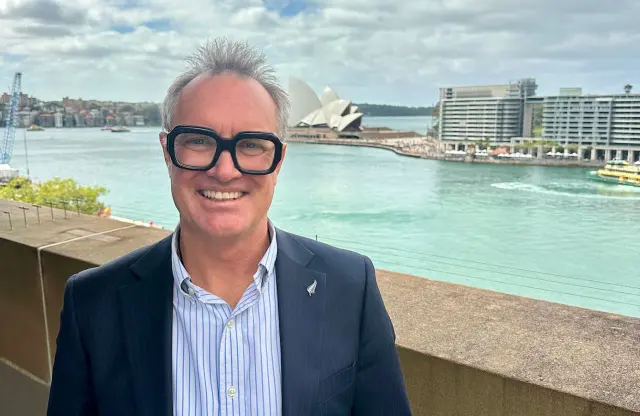
Queenstown is famous for flinging people off bridges, down rivers and out of planes. What it hasn't historically done well is offer any of that to disabled travellers. Jezza Williams is changing that, and his credentials are hard to argue with.
Before a canyoning accident in the Swiss Alps in 2010 left him a high-level tetraplegic, Williams spent 15 years as a canyon, rafting and expedition guide on some of the planet's wildest rivers. Rather than mourn the career he lost, he rebuilt it. In 2012 he founded Making Trax, a charitable trust based in Queenstown that pairs disabled adventurers with the equipment, planning and hands-on problem-solving needed to get them into real terrain.
Williams draws a sharp line between two words that get used interchangeably. Accessibility, he says, is the physical stuff — infrastructure, terrain, gear — all of which can be fixed. Inclusion is the human side: lateral thinking, cooperation, an operator willing to adapt on the fly. You need both, and most adventure operators have historically offered neither.
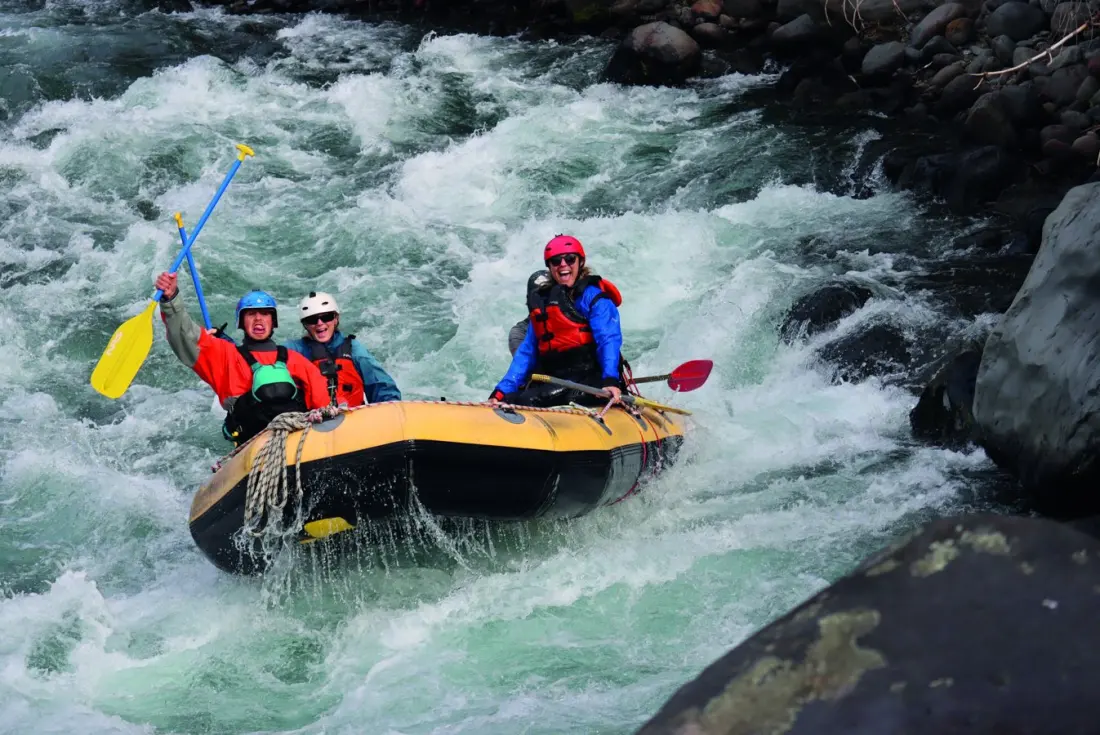
What sets Making Trax apart is that Williams designs custom equipment himself and personally tests every activity with his own body — arguably the toughest quality control in the business. The menu covers whitewater rafting, skydiving, adapted biking, climbing and helicopter trips to glaciers. This year he raised NZ$100,000 (roughly £43,000) to buy four adaptive mountain bikes, because not a single hire company in New Zealand had invested in one. He has also launched Adapting Aotearoa, a nationwide platform training tourism operators on inclusive practice, with the stated goal of making New Zealand the most inclusive adventure destination on Earth.
The results speak through travellers like Sophie Morgan, the piece's author and herself a paraplegic, who rafted genuine New Zealand rapids thanks to gear Williams designed — while he negotiated logistics with operators in real time.
Why it matters: if you or someone you travel with has a disability, the hardest part of an adventure holiday is usually not the activity itself but the gap between an operator's enthusiasm and their actual capability. Making Trax exists to close that gap, and it is run by someone who has tested every answer personally. For the industry, Williams' distinction between access and inclusion is a masterclass; for travellers, it means Queenstown's adrenaline menu is finally open to almost everyone. His guiding principle — focus on the person, understand their abilities, build from there — is a refreshingly practical take on what inclusive travel should look like.