A greenhouse in the Chouf, twenty beehives, a diet centre in town, a butcher's shop in Keserwan — all of these began the same way: a small loan from a Lebanese NGO called Association MAAK, and a repayment plan built around the borrower rather than the bank.
Founded in 2009 by Roger Khairallah and Reverend Victor Assouad SJ with a group of volunteers, MAAK works on a simple premise: handouts fade, but a working business keeps feeding a family. Its loans generally run from USD 1,000 to 5,000, aimed at people with limited incomes who can't access conventional bank financing. Applications are judged on the feasibility of the project, and each borrower gets professional guidance alongside the money.
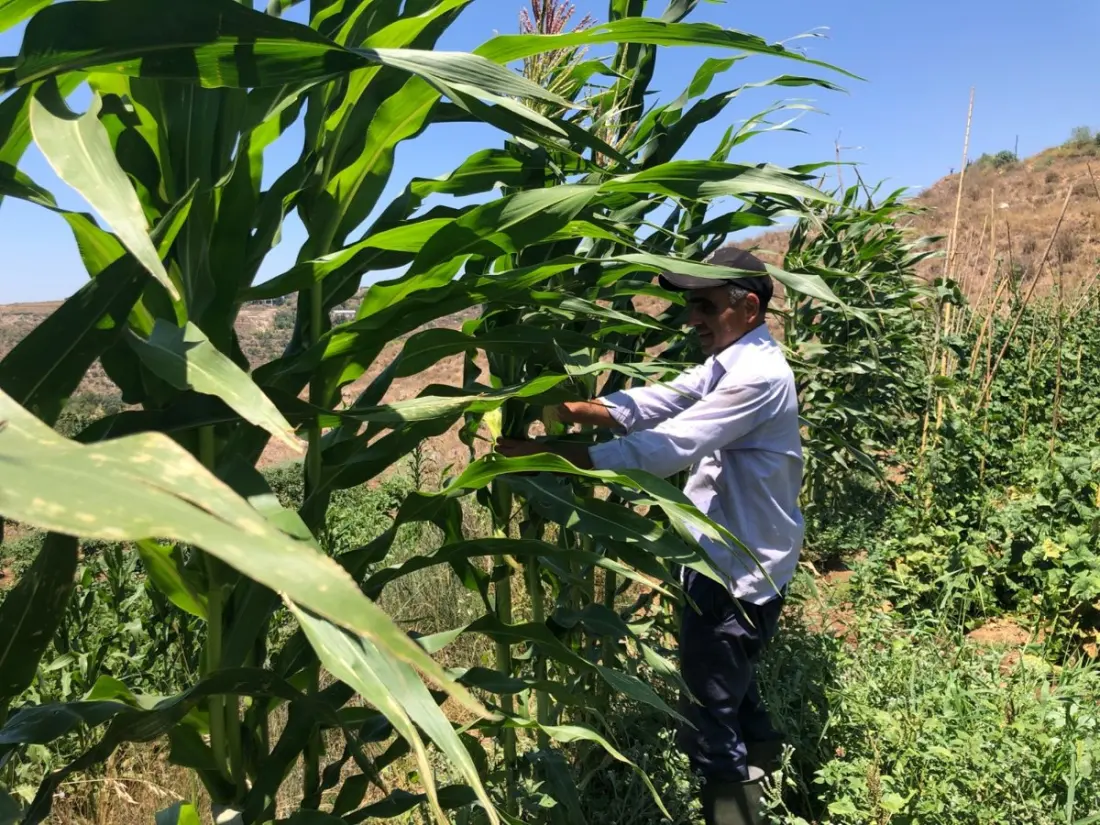
The results read like a tour of Lebanon's small-enterprise economy. Habib and Georgette left Beirut with their four children to work family land in the Chouf; a USD 4,280 loan bought their first greenhouse, a second financed another, and Georgette now makes tomato molasses and homemade liqueurs. Nidal, a single father of three, doubled his beehives from 10 to 20 in a year selling organic honey. Katia opened a diet centre in 2017 and later expanded into food delivery. Others have gone into tailoring, retail, animal breeding and automotive work.
What makes the model durable is the revolving fund. Repayments go straight back into the pot to finance the next project, and donors can even retrieve contributions after three to five years if they choose. Beyond microcredit, MAAK also lends for university and vocational education, and it has stepped up in crises: after the Beirut port explosion it helped over 15 small businesses rebuild, and during the financial crisis it distributed more than 600 food rations alongside medical and educational aid.
The 2019 banking collapse hit the association hard — it lost access to much of its own accumulated capital when Lebanese banks froze — and volunteers have been replenishing the fund through donations ever since. The scorecard so far: 436 projects supported since 2009, including 212 small businesses, 49 agricultural projects, 46 animal-breeding ventures, 82 university loans and 18 school loans, spread from Mount Lebanon and Beirut to Akkar, the South, the Bekaa and Baalbek-Hermel. Women make up 143 of the beneficiaries, men 293.
For travellers, this is a different window into Lebanon than the usual Beirut nightlife or Jeita Grotto itinerary. The country's village economy — greenhouse growers, beekeepers, food producers, butchers — is exactly what rural tourism, farm stays and local food experiences depend on. Supporting or simply visiting small producers in regions like the Chouf or Keserwan puts money where it genuinely changes lives, and MAAK's story explains why those modest, family-run operations matter so much in a country where ordinary banking has failed so many.
Every repaid loan finances someone else's fresh start — which is the whole idea.
Lebanon Traveler