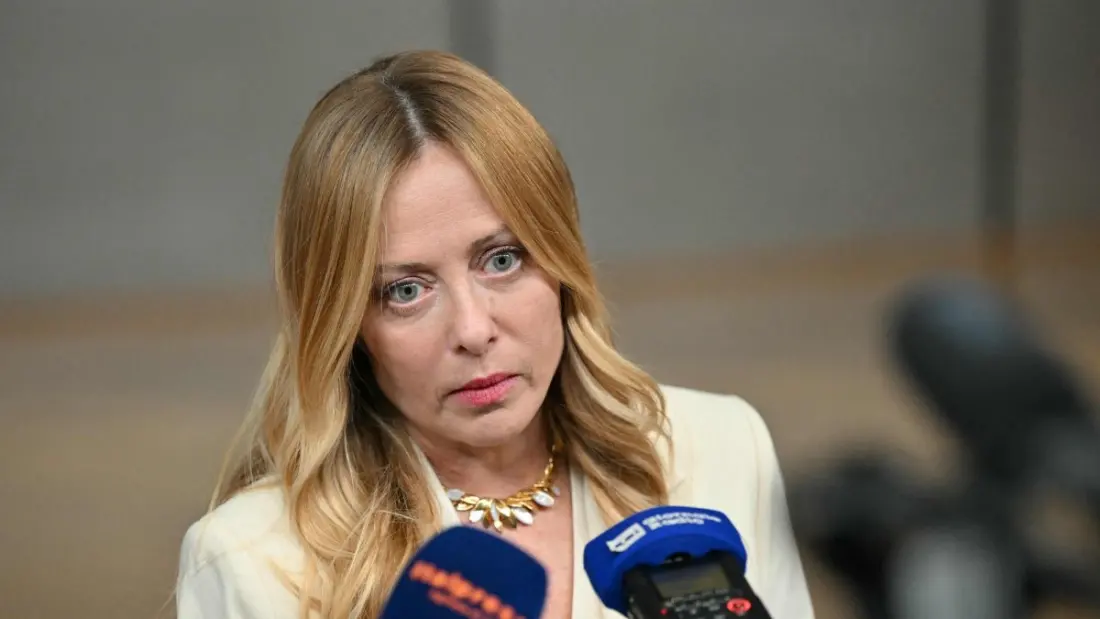
A wave of cyberattacks and fake bomb threats has been hitting everyday services across Europe, and Italy's Prime Minister Giorgia Meloni used an appearance in Verona to flag exactly what she thinks is going on: civilian infrastructure itself is the target.
Speaking to reporters on Friday, Meloni said investigators can't yet confirm whether the incidents are linked — the refrigeration hacks in France, the phony bomb threats aimed at aircraft, the tampering with food products — but that together they send a clear message about what's being attacked.
The most striking incident happened in France, where hackers remotely took control of refrigeration systems at hundreds of supermarkets and pushed temperatures up to 50 degrees Celsius. The result was spoiled food and, in places, actual fires. From Nov. 2, similar attacks spread to supermarket operations in Belgium, Sweden, Ireland and other countries.
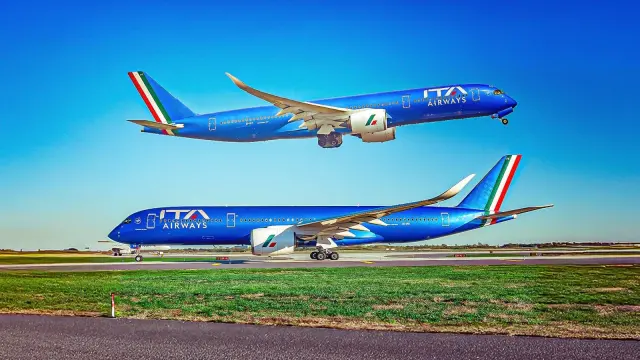
It wasn't just grocery shelves. The same campaign reached refrigeration equipment at French blood service facilities, though monitoring systems kicked in and no biological materials were lost. On top of that, European aviation authorities dealt with a string of bomb threats, several of them involving flights in Italy.
What does this mean if you're planning a trip? For now, the practical impact on travellers has been limited — threats are investigated, flights are delayed or diverted, and supermarkets restock. But it's a reminder that disruption can hit mundane parts of a trip, from picking up picnic supplies to making a connection. If you're flying into or around Europe in the coming weeks, building some buffer into tight itineraries and signing up for your airline's delay notifications is sensible. The situation may also explain heightened security presence at some airports and stations, which can slow things down at peak times.
Worth watching: Meloni's comments suggest European governments are treating this as a coordinated security problem rather than isolated pranks, so expect ongoing checks and possibly tighter procedures around food logistics and air travel until authorities get a handle on who's behind it.