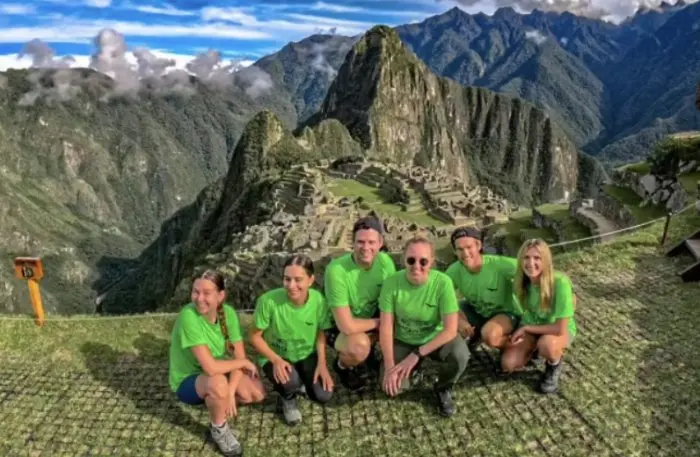
The Inca Trail sells out fast — and if you've got your heart set on hiking it in 2027, the window to secure your spot opens sooner than you might think. Peruvian operator Alpaca Expeditions has kicked off early bookings for next year's treks, with a sweetener: anyone booking a select 2027 departure before November 30, 2026 pays 2026 rates, with a US$200 per person deposit to hold a place. The official permit release date from Peruvian authorities is still to be confirmed, expected imminently.
Why the scramble? The Classic Inca Trail to Machu Picchu is capped at just 500 people per day — and only 200 of those are actual hikers. The remaining 300 slots go to the porters, guides and support crew every expedition requires. Permits are only issued through authorised operators, so independent travellers can't simply buy one themselves, and each permit is tied to your passport details with no transfer allowed. Book the wrong date and you can't hand it to a friend.
The math is unforgiving. With a few hundred trekker permits per day and global demand, popular dates — especially the June-to-August peak — can vanish within hours of release. The trail also closes entirely every February for maintenance, which compresses demand into the rest of the year. Founder Raul Ccolque, a former trail porter and guide, puts it plainly: travellers who plan early get their dates, while late bookers compromise.
Not married to the Classic route? There's a whole menu of alternatives, several of which skip the permit crunch entirely. The Salkantay Trek climbs past glaciers and the turquoise Humantay Lake. The Lares Trek winds through weaving communities famous for their textiles. The Huchuy Qosqo route — "Little Cusco" — links archaeological sites and Inca agricultural terraces. And for those after a serious challenge, the Choquequirao Trek reaches a remote complex often billed as Machu Picchu's sister city, still blissfully under-visited. Alpaca Expeditions also runs a combined itinerary pairing the Classic Trail with Rainbow Mountain and the Red Valley.
The practical takeaway: if your holiday dates are fixed, or you're targeting the high season, get your name on an operator's list before permits drop. Flexible travellers with shoulder-season windows have more breathing room, but even then, a US$200 deposit to freeze prices isn't a bad hedge. Set a reminder for late February, too — it's the annual closure, so it works for or against you depending on which side of it you book.