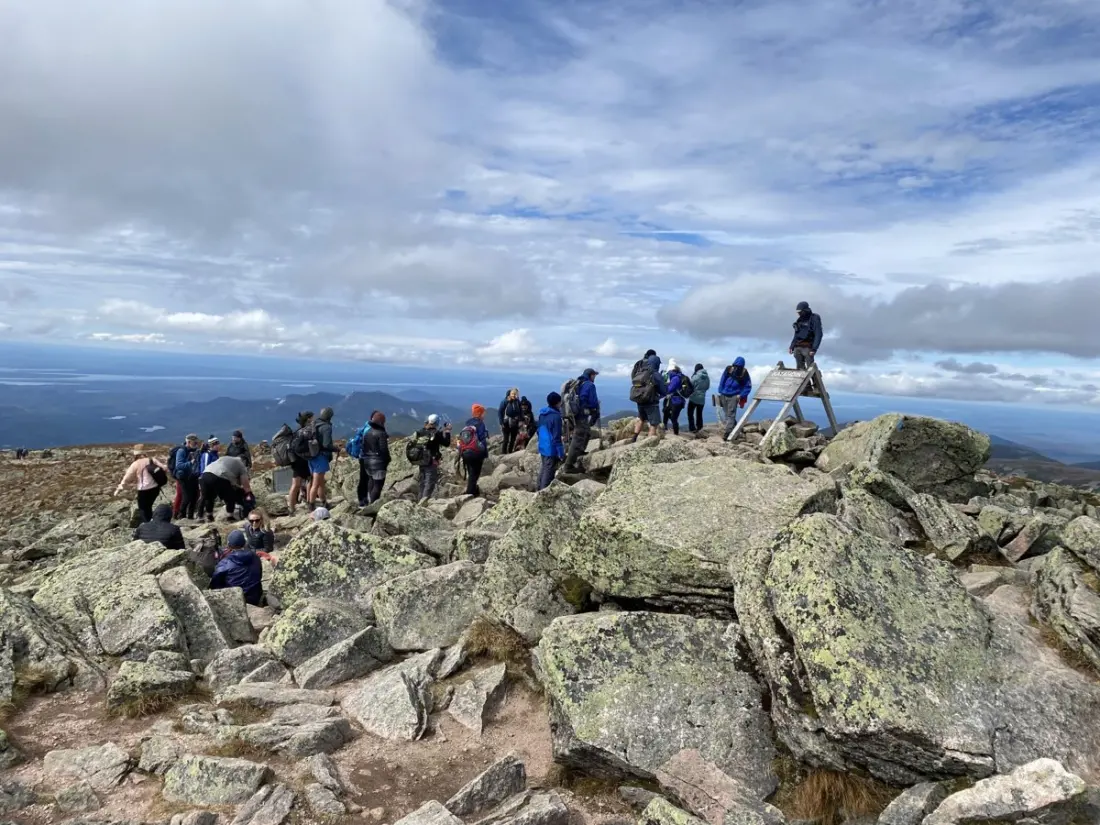
The Appalachian Trail has a reputation problem: everyone's heard it's overrun. But ask people who've actually walked all 2,190 miles of it, and the picture is far calmer than the internet would have you believe.
The Trek, a hiking community site, runs an annual survey of Appalachian Trail thru-hikers that includes questions on crowding — how often people hiked alone, camped alone, and struggled to find a spot to sleep. The latest results are striking: nearly 30% of hikers said they hiked alone three-quarters of the time or more, and about a fifth camped alone at least half the time. Most respondents said the number of people on trail didn't bother them, and many actively enjoyed it. The most common answer when asked for the largest crowd at one campsite? Around 20 people — annoying at worst, apocalyptic never.
One writer there who thru-hiked in 2018 by starting slightly ahead of the main pack described the opposite problem: stretches of near-total solitude and empty shelters, with the trail filling out socially by summer as a loose community of hikers leapfrogged each other north.
That said, timing genuinely changes everything. Start northbound from Springer Mountain, Georgia in March and you're in the heart of the thru-hiker "bubble." The Appalachian Trail Conservancy caps voluntary start-date registrations at 50 per day, and those slots routinely fill up on March dates. In 2022 — peak pandemic backpacking boom — the trail even as far north as Virginia saw tent sites spill into what one hiker described as sprawling tent suburbs. Holiday weekends near big cities (a Maryland section over Indigenous Peoples Day weekend, for example) also deliver genuine crowds.
Perspective matters too. The AT threads through the eastern US population belt, brushing past Atlanta, Washington DC, New York and Boston, and it's the oldest and best-known long trail in the world. Over a thousand people finish it each year, versus roughly 600-1,000 completions of the Pacific Crest Trail and fewer than 200 a year on the Continental Divide Trail (a record 209 in 2023). Total annual AT visitors are counted in the millions. It will never feel like the remote routes out west — but most of the time it's a peaceful walk with optional company, not a conga line.
There's a real cost to the peak-season crush, though: eroded tread, trampled plants, degraded water sources and litter around popular campsites. Hikers who want to help can register their start date, avoid the bubble, follow Leave No Trace principles, and support trail maintenance groups.
Why it matters for travellers: if you've been put off hiking a chunk of the AT by horror stories, the data says don't be. Hike southbound, start in a shoulder month, or pick small stealth sites over the big-name shelters and you can have near-solitude — with the trail's famous trail-magic-and-hostel community still there whenever you want it. Anyone who needs guaranteed wilderness silence the whole way should probably look west. Everyone else: go.