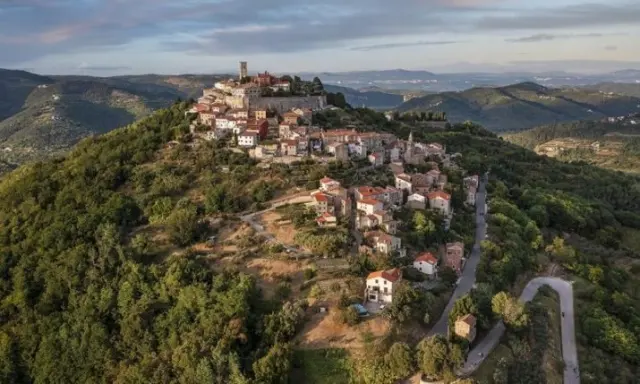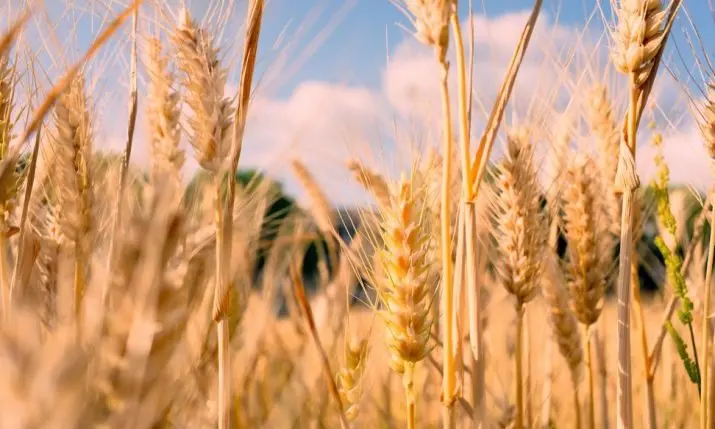
Fuži, pljukanci and makaruni have put Istria on the food map, but the durum wheat behind great pasta has long been imported. That could change. Researchers at the Institute of Agriculture and Tourism in Poreč are assessing whether the peninsula's farmland and Mediterranean climate can support commercial durum wheat cultivation — the hard, protein-rich grain milled into semolina, the backbone of traditional pasta.
Dr Ana Čehić Marić and her team see the western and southern parts of Istria as the most promising areas. The crop would follow a familiar rhythm for the region: sow in late October and November, rely on rain through the cooler months, then let warm, dry early summer weather finish the grain before a June or early-July harvest. It's not bulletproof — a dry spring can slash yields — but under good conditions the institute expects 3.5 to 4.5 tonnes per hectare.
The economics look plausible for farmers who already own equipment. Total production costs are estimated at roughly €1,415 per hectare, covering seed, fertiliser, crop protection, machinery use, harvesting and labour. Quality matters as much as volume: protein content and milling suitability determine what the grain is actually worth.
The real opportunity isn't the wheat itself — it's the supply chain. A local crop could link Istrian growers directly with mills, pasta makers, restaurants and hotels, shortening the distance between field and fork. The institute frames durum wheat not as just another crop but as a route to higher-value regional food products, plugging agriculture into the gastronomy that already draws visitors to the peninsula.
For travellers, this is a story to watch rather than a reason to book. Istria's food reputation already rests on truffles, olive oil and wine; homegrown pasta would add another layer to agritourismo visits, konoba menus and food festivals, with a genuinely traceable local product to taste. Don't expectIstrian-grown semolina on plates tomorrow — milling capacity and committed buyers still need to fall into place. But if it works, the fuži you eat in Motovun or Rovinj could one day be made entirely within the peninsula, and that's a nice thing to ask about next time you're served it.