A quiet expedition with big results: three Japanese climbers have put up a new route on the south face of Koz Sar, a 6,677m peak in Pakistan's Batura Muztagh range, part of the greater Karakoram.
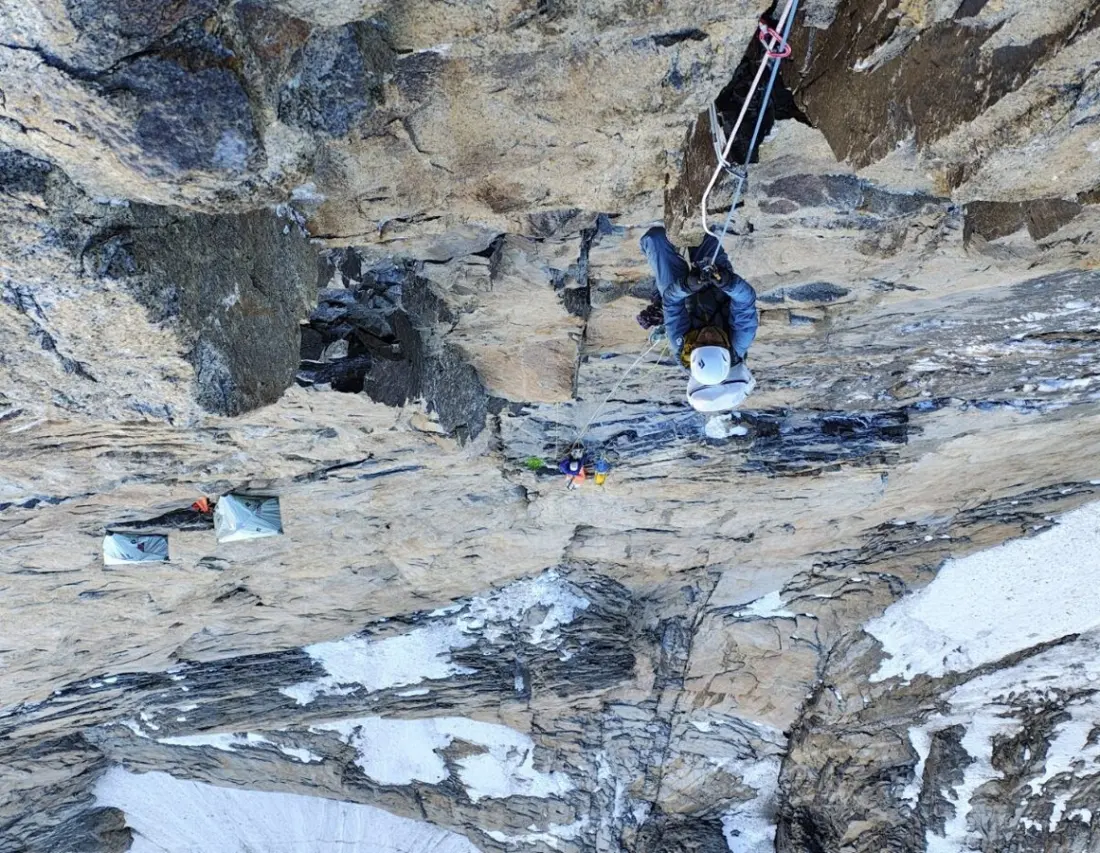
Takaaki Nagato, Ryo Masumoto and Hiroki Yamamoto spent 14 days on the face, climbing in capsule style — shuttling up and down between portaledge camps to acclimatise and haul gear. Their line runs roughly 1,400m up the wall and required six camps before they topped out on August 29. Getting down took another two days, which on a big Himalayan-style face is often the more dangerous half of the story.
The climb matters in alpinist circles. Yamamoto was nominated for a Piolet d'Or — climbing's most prestigious award — last year for the first ascent of 6,652m Pholesobi Peak in Nepal, climbed directly up its north face with Hidesuke Taneishi. Taneishi, meanwhile, is currently in Nepal attempting the first ascent of Gangapurna West.
For most travellers, a 14-day capsule-style ascent is spectator sport rather than a to-do list. But the Karakoram is very much on the adventure-travel map: the Batura Muztagh sits near the Batura Glacier and within reach of Hunza, one of Pakistan's most welcoming trekking regions. Peaks like Koz Sar — technically demanding, lower than the 8,000m giants — are exactly where the next generation of hard alpinism is happening, and following these expeditions is a good way to discover valleys and villages far from the K2 crowds.
If the story pulls you towards northern Pakistan, think trekking and mountaineering tourism rather than climbing the route itself: glacial valleys, apricot orchards, and some of the most dramatic roadside scenery on earth along the Karakoram Highway. Guides and permits are required for peak climbs, while trekking in the Hunza and Shimshal areas is straightforward with a local operator.
Story credit: ExplorersWeb