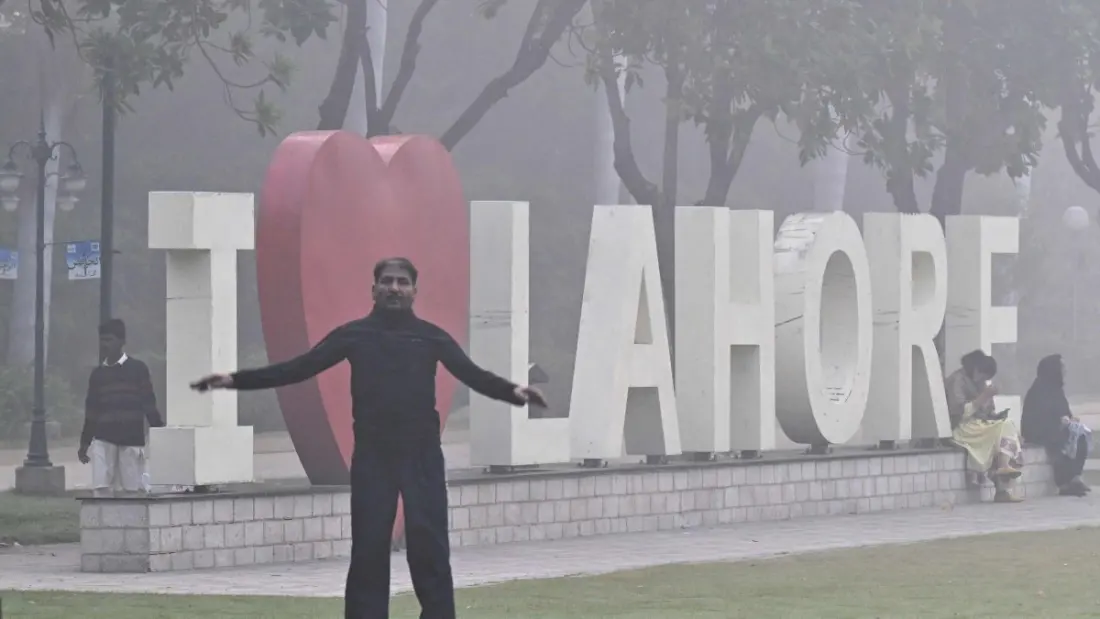
Lahore's annual smog season has arrived again, and this year Pakistani authorities are responding with something new: a dedicated rapid-response force whose sole job is putting out the fires that feed it.
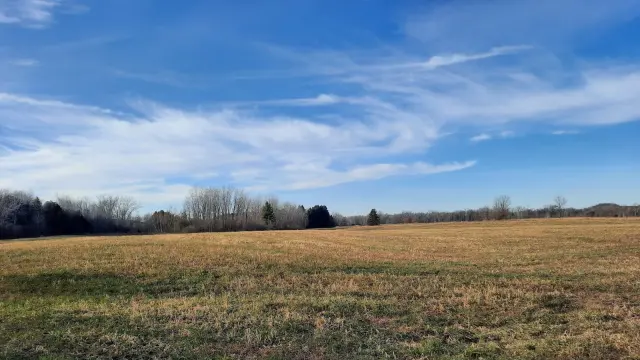
When smoke was spotted rising from a rice field on the edge of Lahore this week, officers from the unit arrived and had the fire out within minutes. The city's air was rated "very unhealthy" by Swiss monitoring group IQAir at the time, and every unburnt field counts.
The problem is familiar across South Asia. After the October rice harvest, many farmers torch leftover stalks because it is the cheapest and fastest way to clear fields for wheat planting. The smoke mixes with vehicle exhaust, industrial emissions and construction dust, then gets trapped under cold winter air — creating the toxic haze that descends on Lahore and neighbouring Indian cities each year.
Punjab province has now formed a 750-member force split into 67 rapid-response teams covering the main rice-growing districts, the first unit in Pakistan dedicated entirely to air pollution. Teams aim to reach reported fires within 10 to 15 minutes, patrolling fields and taking complaints from residents through multiple channels. In a single 24-hour stretch this week, the department logged 679 reports of field fires and claims to have extinguished 650.
The penalties are real: farmers caught burning stubble face fines of 15,000 Pakistani rupees (about $54) per acre, with prosecution and up to six months in prison possible for those who don't pay. The government is also trying to tackle the root cause, subsidising more than 10,000 "super seeder" machines — covering 60% of the cost — which clear stubble without burning. Some farmers who've switched report better wheat yields, though adoption is uneven because burning remains the budget option for many.
There are early signs it's working: satellite data shows less burned area in India and Pakistan than the historical average for this point in the season. Punjab's environment department says smog-related throat hospitalisations last month were only 69% of October 2025's level. But walk through Lahore's hospitals and the picture is less rosy — patients with breathing trouble and eye infections are still filling corridors, and some residents insist nothing has changed.
The blame game with India continues too, with each country accusing the other of fouling the shared airshed, and Pakistan raising the issue with Indian officials at international forums.
Why should travellers care? If you're planning a trip to Lahore or elsewhere in Punjab between November and February, air quality is a genuine health consideration, especially if you have respiratory or heart conditions. Levels can sit at "very unhealthy" for days at a stretch. Checking IQAir readings before booking, packing N95-style masks, and favouring spring or autumn visits are sensible moves. And the enforcement push, whatever its limits, is a sign authorities finally treat the smog as a crisis rather than a seasonal inconvenience.