Kent has a reputation for hop fields and commuter belts, but England's southeastern corner packs in an improbable amount of genuinely wild ground. The county spans 1,442 square miles where the Channel, North Sea and Thames Estuary meet, and its two Areas of Outstanding Natural Beauty — the Kent Downs and the High Weald — shelter some of the UK's rarest species, from turtle doves and nightingales to Adonis blue butterflies.
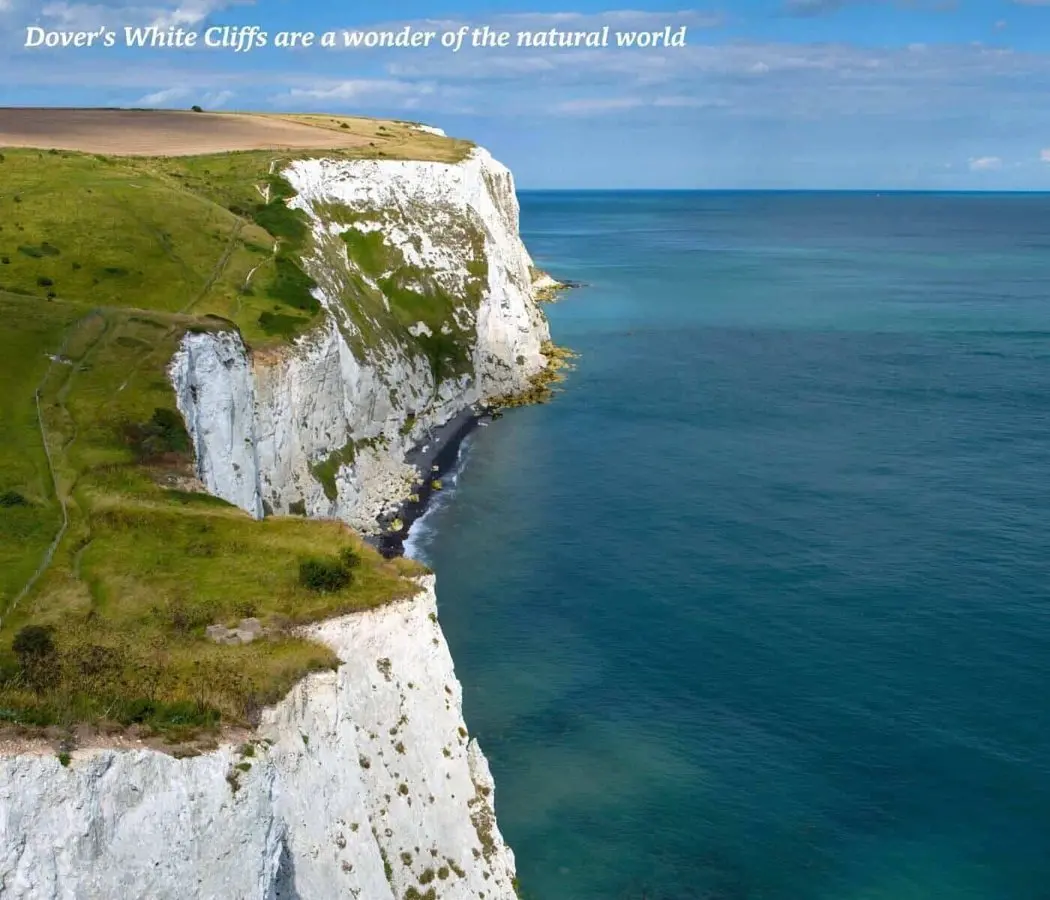
Start with the obvious icon. The White Cliffs of Dover rise to 350ft, chalk laid down 66 million years ago and name-checked by Julius Caesar back in 55 BCE. The National Trust looks after about six miles of them, and the chalk grassland on top hosts some 30 butterfly species plus peregrines, ravens and skylarks. Exmoor ponies graze the slopes to keep invasive plants in check, viper's bugloss flowers blue-purple from June to September, and the rare spider orchid appears in April and May. One warning the locals mean: the cliffs erode constantly, so stay well back from the edge.
For birds, Elmley National Nature Reserve on the Isle of Sheppey is a standout — 3,300 acres of marshland managed as a working farm, complete with 800 beef cattle. Avocets and oystercatchers breed here, marsh harriers and peregrines hunt overhead, and a 3.5-mile track runs out to Spitend, the furthest of four hides. There's even a small sheltered beach at Sharfleet Creek, though only swim at high tide.
The strangest news from Kent's woods is at Blean, 11 square miles of ancient woodland near Canterbury. In 2022 three European bison were released as part of the Wilder Blean rewilding project, joined by Exmoor ponies, longhorn cattle and Iron Age pigs; the bison herd had doubled by 2025. The woods also hold the UK's largest population of the heath fritillary butterfly, and walkers can tackle the 25-mile Big Blean Walk or the family-friendly one-mile Wildart Trail in Thornden Wood.
On the coast, Littlestone and Greatstone share a broad sandy beach backed by dunes, popular with kitesurfers and land yachts. At low tide you can spot a stranded WWII Phoenix breakwater — a concrete caisson built for the D-Day harbours that never made it to Normandy. Further along, Dungeness offers a two-mile circular trail past six bird hides, plus the eerie 1930s concrete Sound Mirrors at nearby Lade.
Animal lovers should consider Port Lympne Reserve near Hythe, a 600-acre estate run by the Aspinall Foundation where around 900 animals — black rhinos, giraffes, gorillas, big cats — roam grounds around an Edwardian mansion. It's deliberately not a zoo, so sightings aren't guaranteed, but the African Experience section, with zebras grazing against a Channel backdrop, comes close.
Inland options round things out: the Darent Valley Path traces 19 miles through Eynsford and Shoreham, Stodmarsh protects the largest reedbed in southeast England (bitterns and migrating swallows included), Pegwell Bay draws seals and wading birds, and Tudeley Woods yields over 1,000 recorded fungi species in autumn.
For a county an hour from London, that's a remarkable amount of wilderness — ideal for a long weekend of walking, birdwatching or just big skies and sea air.
With thanks to Bradt Guides for the original feature.