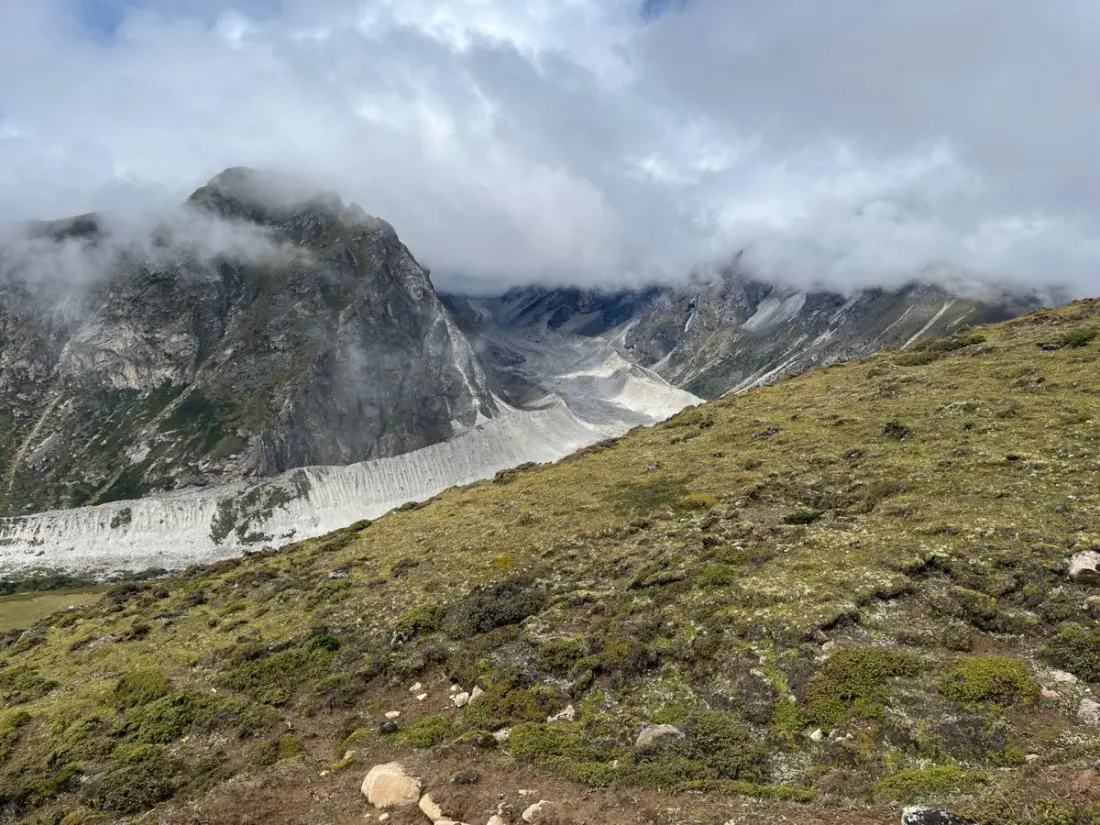
Most people picture Everest from Nepal, but the mountain has another face — and in September 2025 two 66-year-old friends from San Francisco went to find it. The writer, whose father gave him a copy of Hornbein's 'Everest: The West Ridge' back in 1972, had already trekked the Nepal side twice. This time he and his childhood friend Eric Beatty set out for Kharta Valley on the Tibetan east side, following the routes scouted by British climbers in 1920-21 as they hunted for a way up the world's highest peak.
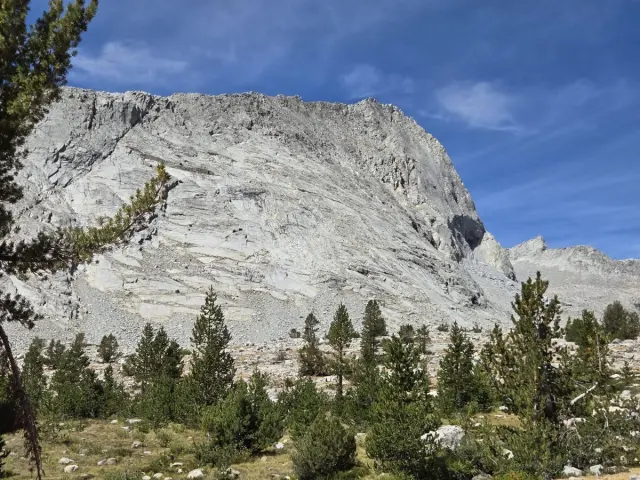
Kharta has a special place in climbing history: it's where the boy who became Tenzing Norgay grew up, before a monk in Khumbu renamed him. The region was also the obsession of George Mallory — Cambridge-educated, a WWI veteran and schoolteacher who cut his teeth in Wales and the Alps before joining the British Everest expeditions of 1921, 1922 and 1924. A seed planted back in 2018, when the writer saw Everest, Lhotse, Makalu and Cho Oyu lined up from Renzo La at 5,350m, finally came to fruition.
Getting there was the hard part. Very few travel companies operate on the Chinese side of Everest, permits aren't guaranteed, and hardly anyone had trekked the area since Covid. They needed a weather window between the end of the monsoon and the first autumn snows, and a Lhasa-based firm eventually assembled a 15-day Lhasa & Kharta Valley Trekking Tour. On 5 September 2025 they flew San Francisco to Wuhan nonstop, connected to Chongqing to collect Tibet permits, then flew on to Lhasa.
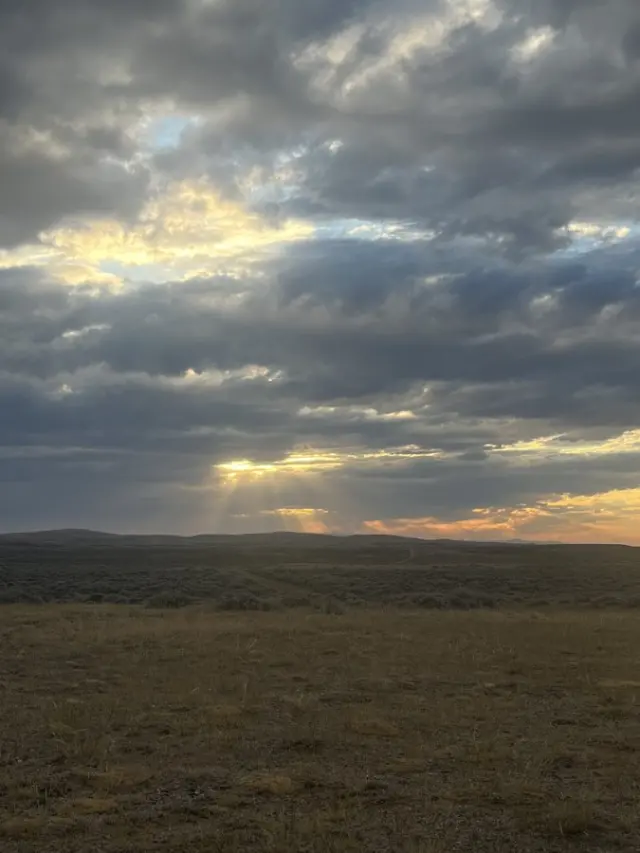
The route itself is a journey across the Tibetan Plateau: two days of driving with an English-speaking guide, driver and cook, interrupted every few hours by checkpoint inspections of passports and permits. Lhasa sits at 3,660m — acclimatisation matters, though the hotel's in-room oxygen helps. As the mostly straight highway gave way to switchbacks, Everest loomed just 40km to the southwest, close enough to Nepal that Google Maps still worked on their phones.
For trekkers who've done Nepal's Everest trails and want something genuinely different, the east side offers the same legends with a fraction of the foot traffic. The barriers are real — permits, logistics and fewer operators — but as this trip proves, they're not insurmountable, even in your mid-sixties.