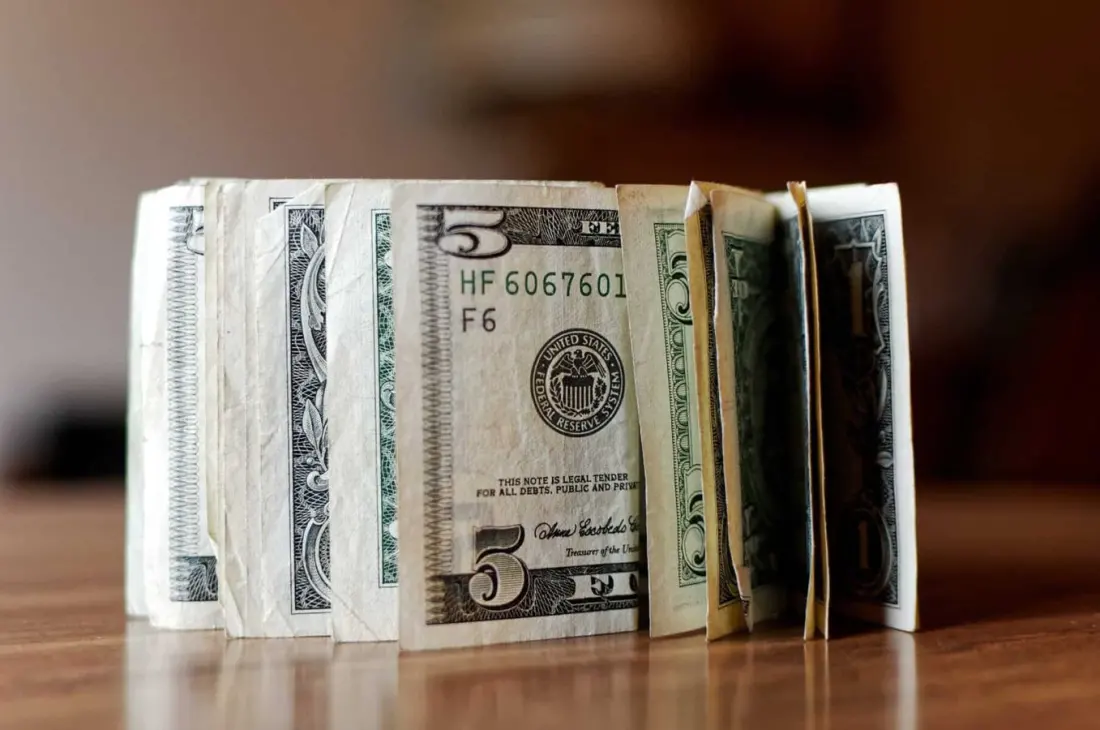
Travellers heading to Costa Rica with dollars are getting a thinner deal this year. On Thursday, the US dollar fell to 444.45 colones on Monex, the Central Bank of Costa Rica's foreign exchange market — its third all-time low in a single week, after records of 446.10 on Nov. 13 and 444.85 the following Wednesday.
The numbers tell the story. The dollar started 2026 at 497.07 colones and has since lost 10.6% of its value, sitting 36% below its June 2022 peak of 696.76. In practical terms, $2,000 now buys about 888,900 colones, versus roughly 994,100 at the start of the year — a gap of over 105,000 colones, enough to cover a decent chunk of hotels, meals or a domestic flight.
Why the slide? A State of the Nation report released alongside the new record traces the decade in four phases: relative stability from 2016 to 2020, a sharp dollar surge during the pandemic and shipping crisis (peaking in June 2022), a return to pre-pandemic levels between 2023 and 2025, and a steep colón rally through 2026. The main force since 2023 has been a surplus of dollars in the market. Central Bank president Róger Madrigal insists the rate is set by market forces, though the bank says it will buy dollars to prevent abrupt swings.
Seasonality is playing a role too. The arrival of high tourism season, plus companies selling dollars to pay year-end aguinaldo bonuses and taxes, typically floods the market with dollars in November and December. Forecasts compiled in September put the year-end rate between 440 and 465, and some analysts expect the dollar to keep falling.
There are winners and losers. Households earning colones with dollar debts are better off, while anyone paid in dollars and spending locally feels the pinch — a group that includes retirees and long-stay visitors from the US. Exporters have asked the central bank for help, arguing the strong colón is squeezing their margins.
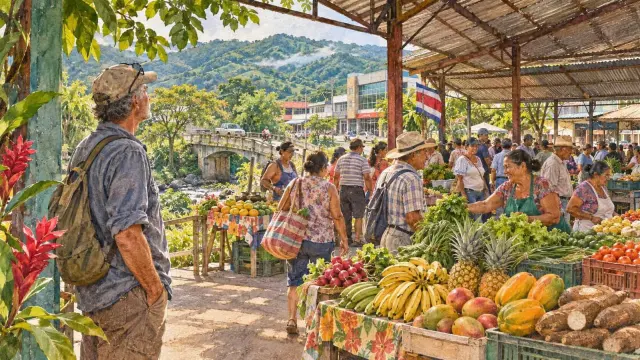
For holidaymakers, the takeaway depends on your wallet. Americans will find their money stretches about 10% less than it did in January, so budget accordingly — or lean on colones-friendly options like sodas and public buses rather than dollar-priced tour operators. Visitors earning in euros or pounds have seen the colón strengthen against those currencies too, though less dramatically. If you're planning a 2027 trip, it's worth watching the rate: the trend has been firmly one-directional all year. The bank's reference rates Thursday were 442.31 to buy and 446.48 to sell, and rates at bank windows vary, so compare before exchanging. Airport and hotel desks usually offer the worst deals — a local bank or licensed exchange gives you more colones for the same dollars.
Story via The Tico Times