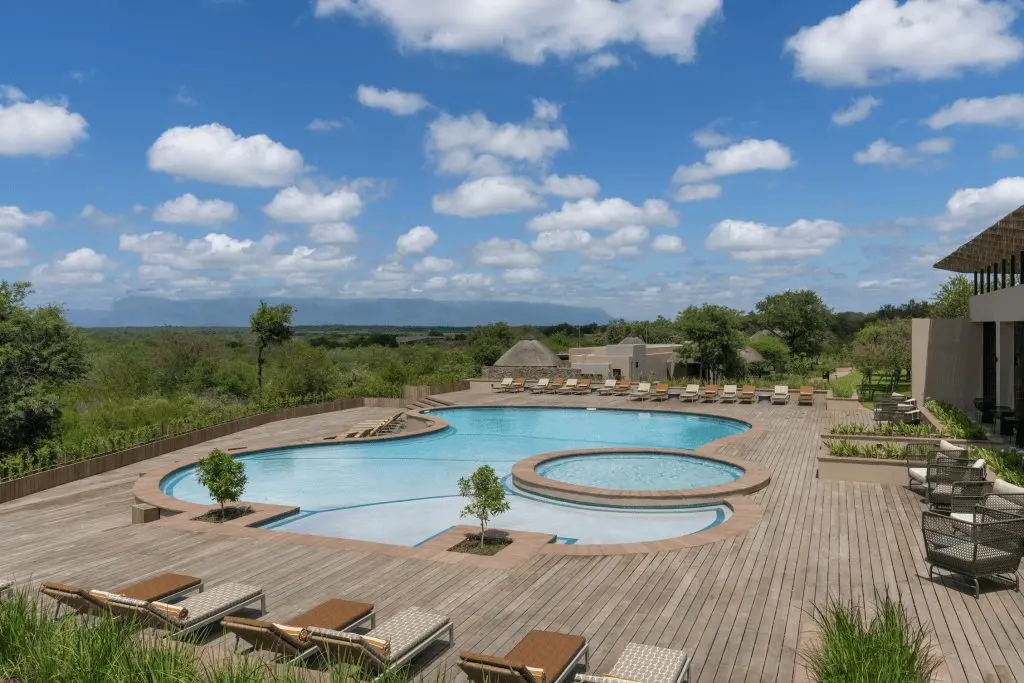
South Africa's safari country now has a hotel with a genuinely green pitch. The 138-room Radisson Safari Hotel Hoedspruit, sitting near Kruger National Park, is Radisson's first net zero property in Africa and its 10th Verified Net Zero Hotel worldwide.
The certification is not just marketing. Radisson's Verified Net Zero program requires hotels to run on renewable energy through electrification and renewable power purchases, to cut their Scope 3 emissions, and to offset whatever remains with carbon removal credits. Independent certifier TÜV Rheinland checks the claims, which puts it a step above vague eco-labels.
What is more interesting for the business is who is footing the bill. Radisson's earlier net zero hotels were mostly leased, meaning the sustainability costs sat on the company's own books. This one is a managed property, so the owner paid for the build-out, banking on a fast payback through higher room rates. Radisson says it wants to roll the scheme out to more managed and franchised hotels from next year, targeting 100 Verified Net Zero Hotels by 2030.
For travellers, the practical upshot is simple: you can now book a safari-adjacent stay near Kruger with verified net zero credentials, and expect to see more properties in the group carrying the same label across Africa and beyond. Hoedspruit itself is a well-placed base for the Kruger area, close to private reserves and the park's central gates, so the hotel works as a launch point for game drives as well as a stop for eco-conscious road-trippers through Limpopo.
Whether the higher rates that justify green building costs filter through to guests remains to be seen, but the direction of travel is clear. Net zero is moving from a handful of flagship properties to something brands want across their portfolios — and owners, not just the brands, are now willing to invest in it.