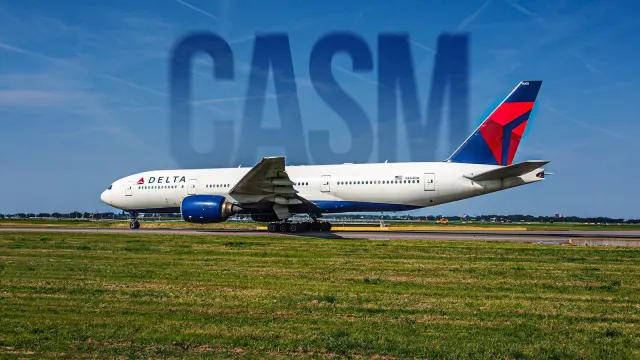
A glitch in America's air traffic control system triggered the longest nationwide ground stop in a quarter-century, cancelling more than 2,000 flights and leaving passengers sleeping on airport floors or stuck on tarmacs for hours.
The shutdown lasted over four hours on Friday night, with only a limited number of domestic flights permitted to depart after the stop was lifted around 8.15pm ET. According to FlightAware, more than 2,500 cancellations were recorded on Saturday, with hundreds more delayed. It was only the second nationwide ground stop since the September 11 attacks — the last came in January 2023, when a different FAA system used to send notices to pilots went down.
Officials in the Trump administration said new equipment being added to the air traffic control network overloaded antiquated hardware, producing intermittent gaps in communications and radar. Transportation Secretary Sean Duffy insisted the new kit itself held up — "all of the new equipment that's been deployed did not go down" — and blamed Congress for underfunding the overhaul. The FAA has already swapped thousands of copper wires for fibre optics and upgraded hundreds of radios using $12.5 billion approved by Congress, and the White House is asking for $30 billion more to finish the job. Duffy warned bluntly that more outages are likely.
The human fallout was extensive. A mother and daughter waited over four hours in Dallas for a flight to Columbus before giving up on a surprise trip. One passenger sat on a landed plane at Los Angeles for more than five hours waiting for a gate. A teacher flying home from Miami to Illinois spent four hours on the tarmac in Charlotte, then paid a $100 Uber to a hotel after no replacement flights appeared. More than 3,000 flights were safely landed on Friday, and Homeland Security Secretary Markwayne Mullin said no one was in danger.
College sports took a hit too. Auburn's football team chartered a bus to Mississippi State and kickoff was pushed from noon to 4.15pm, while Baylor, Washington, Kansas State, Minnesota and Ole Miss all scrambled to rearrange travel. Duffy even encouraged NCAA teams to contact the FAA directly so their flights could be prioritised.
For anyone flying to or within the United States in the coming weeks, the message is that the system was expected to be running normally in time for the Thanksgiving rush — but the risk of repeat disruptions is real. The failure echoed a smaller regional communications outage in September that snarled Northeast flights after a construction crew cut a fibre line, and radar blips at Newark last year were also pinned on ageing kit. Aviation safety expert Steve Arroyo, a former United Airlines pilot, noted that when controllers can't reliably reach pilots, grounding planes is the only safe call — though this stop was less drastic than 9/11, since aircraft weren't ordered to land immediately.
If you have a US trip booked, build in buffer time, check your flight status before heading to the airport, and know your rail and bus alternatives in case the system hiccups again.