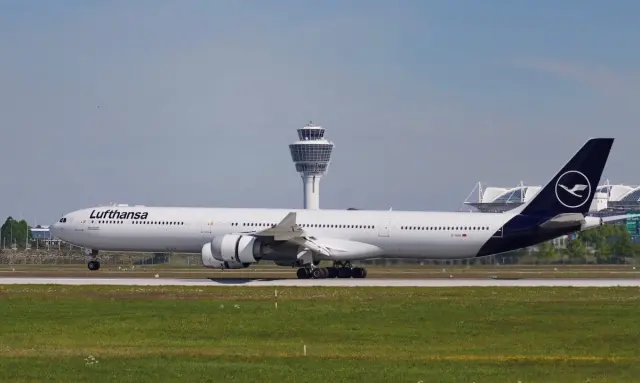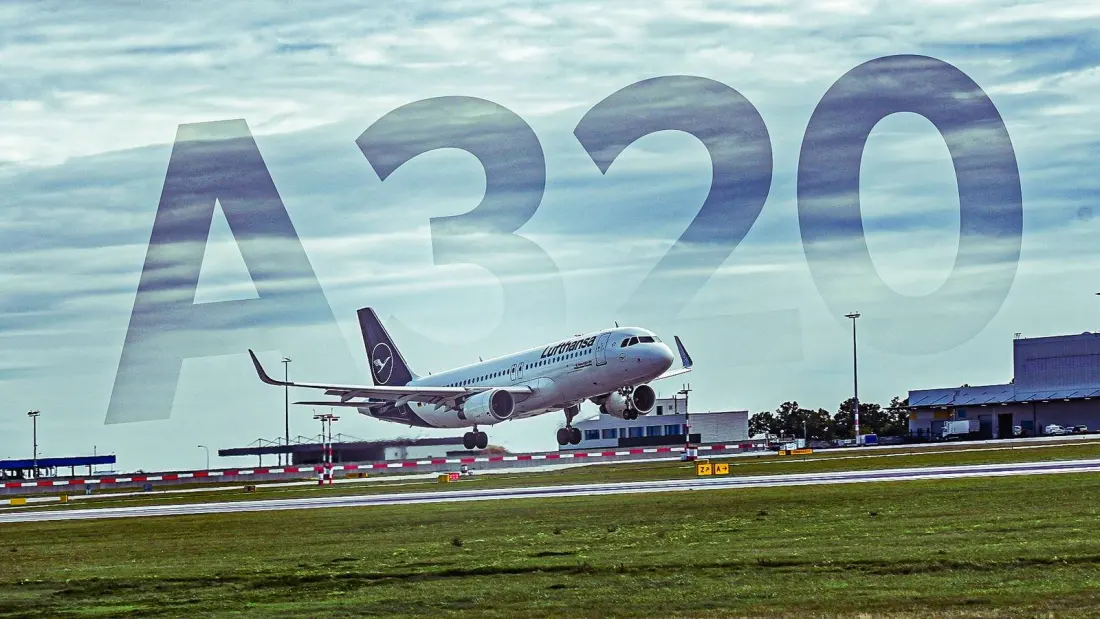
Lufthansa has quietly told its pilots to tank up on more fuel than usual before flying back to Frankfurt, its biggest hub. The reason isn't a fresh Middle East crisis this time - it's maintenance work on a fuel pipeline at Frankfurt Airport, combined with low river levels that have been limiting fuel deliveries by barge. The story, first reported by Germany's Bild newspaper and picked up by Reuters, explains that the airline wants arriving aircraft to need little or no refuelling on the ground, easing pressure on strained supplies at the airport.
The practice, known in the industry as 'tankering', means crews on selected Frankfurt-bound services - mostly short-haul routes, though some long-haul flights are included too - load extra fuel at their departure airport. There are limits: on Airbus A320-family aircraft, the extra load is capped at eight tons so the planes don't become too heavy to be towed, and the airline has made clear the extra fuel must never come at the cost of passenger or cargo payload. In plain terms, your bags and seat capacity aren't being sacrificed to haul jet fuel around Europe.
For anyone with a Lufthansa booking, the reassuring part came straight from the airline. A spokesperson said the measures are precautionary, designed to guarantee reliable operations, and that "flight cancellations are therefore not to be expected" - words that will land well with anyone who has been burned by schedule cuts before. Airport operator Fraport has also stated that the airport's operational capability is not affected, thanks to storage reserves and alternative supply arrangements.
Tankering isn't without controversy. Carrying fuel you burn carrying more fuel is inefficient, and European short-haul aviation has taken heat over it before - one earlier analysis blamed the practice for roughly 900,000 tonnes of extra CO2 a year. But when supply is tight, it's a pragmatic workaround, and it's far less disruptive than the alternative.
It's been a bruising stretch for Lufthansa on the fuel front. Earlier this year, geopolitical tensions in the Middle East sent fuel prices climbing and supplies tightening, prompting the airline to axe around 20,000 summer flights - again hitting short-haul routes hardest. Around the same time, it abruptly shut down its Lufthansa CityLine regional brand, a move framed as protecting the wider group from deeper losses, with many CityLine aircraft near the end of their service lives.
The current tankering order is a smaller, quieter response, but it signals the same underlying anxiety: keeping Germany's largest airline flying hinges on a fuel supply chain with little slack in it. Travellers should watch for updates if the pipeline works run long or river levels stay low, though for now, flights are operating normally. If you're flying Lufthansa short-haul in the coming weeks, there's nothing you need to do - just don't be surprised if your flight arrives with a bit of extra weight on board.