A sacred sunken lake on Luxor's west bank hasn't run dry in over 3,000 years. Local women still come to its cold, clear water believing it can help with fertility or sick children — and no one, apparently, knows where the water comes from. That's Luxor for you: a city where the mystical and the everyday sit side by side, and where a remarkable wave of new openings is about to make the ancient Egyptian capital feel very current.
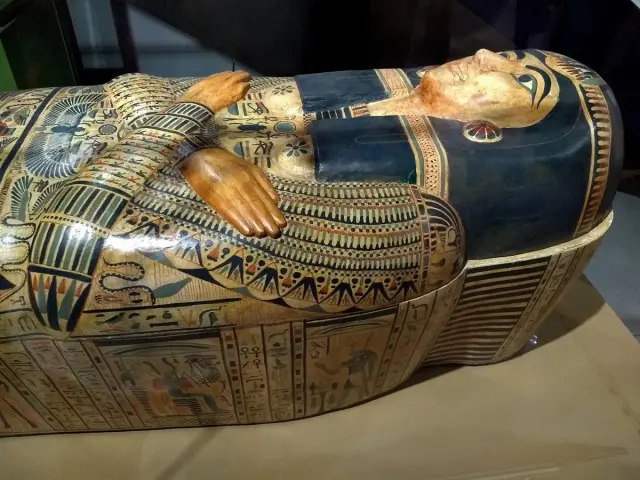
The bones of the place are as monumental as ever. Formerly Thebes, Luxor was Egypt's capital during the New Kingdom (roughly 1550 to 1070 BCE), and today it packs an astonishing density of sights into a small area: Karnak and Luxor temples on the east bank, the mortuary temples and Valley of the Kings on the west. Tip from those who know it well: balance the headline sites with quieter ones. The tomb of Ramses V and VI is often deserted, while crowds queue to see Tutankhamen's small mummy 26 feet below ground. The partly restored Mortuary Temple of Seti I and the Ramesseum — home to a 65-foot, 1,000-ton granite colossus of Ramses II carved from a single block — reward anyone willing to skip the tour-bus circuit.
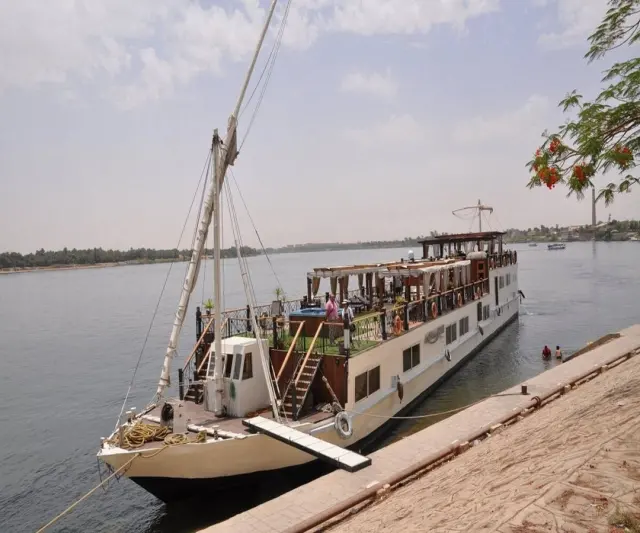
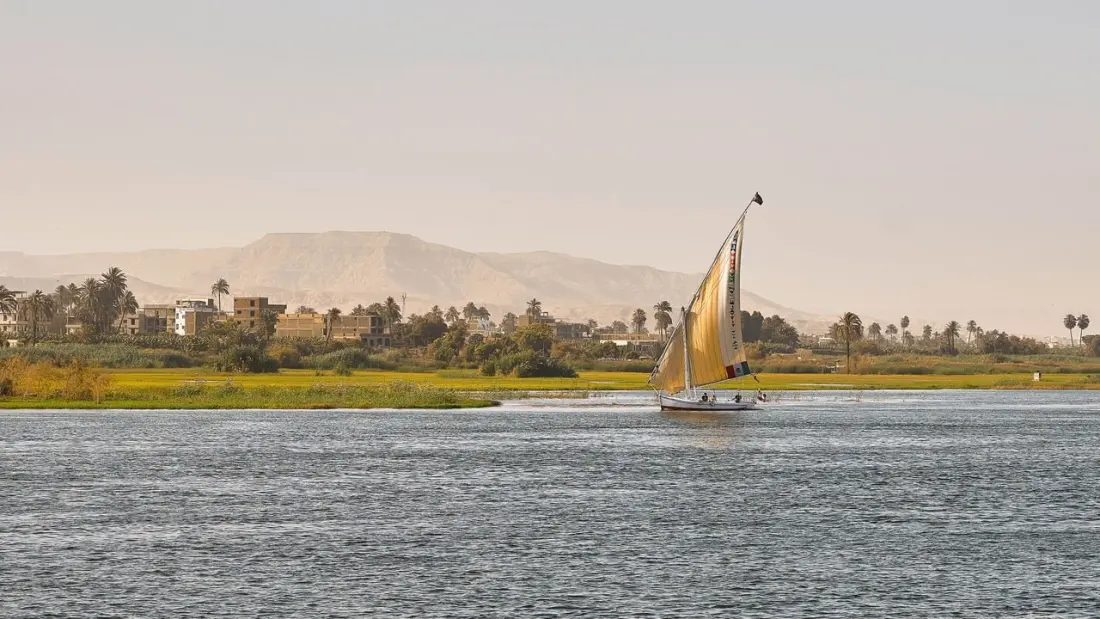
On the water, the big story is the dahabeah renaissance. These intimate sailing-style boats — today nudged along by tugboats rather than wind — are multiplying fast, offering a calmer alternative to the hulking 50-cabin cruisers between Luxor and Aswan. Kazazian Cruises' Arax blends the traditional dahabeah shape with luxury-yacht styling: nine cabins with panoramic windows, Egyptian cotton bedding, Hermès toiletries and four chefs cooking on demand. Al Moudira has launched the 180-foot Nile Canopus, a nostalgia trip with safari-tent decks, brass beds and teak-and-rattan furniture. Boutique entries like Nile Divine and Oro push contemporary Egyptian craft and deck plunge pools, while Oberoi and Waldorf Astoria both arrive with new vessels soon.
Land-based luxury is booming too. A Four Seasons is under construction on the east bank for 2027, and the beloved Winter Palace — Howard Carter's base during the 1922 Tutankhamen discovery, and somewhere Agatha Christie wrote parts of Death on the Nile — is being converted into a Mandarin Oriental, reopening in July 2027, exactly 120 years after it first opened its doors.
The timing matters for another reason: on August 2, 2027, Luxor will see a total solar eclipse with a maximum duration of 6 minutes and 22 seconds. Expect that to draw serious crowds, so anyone eyeing the city for that date should book far ahead.
For lower-key stays, the west bank still delivers. The 17-room Habu Hotel, one of the area's first hotels in the 1920s, sits steps from Medinet Habu Temple with a rooftop terrace made for sundowners. The Marsam Hotel — formerly the University of Chicago's excavation house — keeps things deliberately spare, no pool or TVs, but serves an excellent daily-changing farm-to-table lunch. And Al Moudira, Egypt's first Relais & Chateaux property, pairs maximalist frescoed villas with a new farm kitchen where young local chefs cook produce grown on the surrounding farmland.
Story via Condé Nast Traveler.