Day 29 of one pilgrim's Camino de Santiago shows why the route's quieter stretches often outshine the big landmarks. Walking from an overnight stop toward Astorga in northern Spain, Marley "Chill Out" Kreiser took a longer alternative path out of town and was rewarded with a sunrise stop at Over The Hill, a donation-based shack cafe on a hilltop run by a Portuguese volunteer and his dog. Further along the trail, she and a fellow pilgrim stumbled on El Jardín del Alma, a self-service, donation-only rest spot decorated with a mandala mural and rock spirals, stocked with coffee, fruit, eggs, cheese and more.
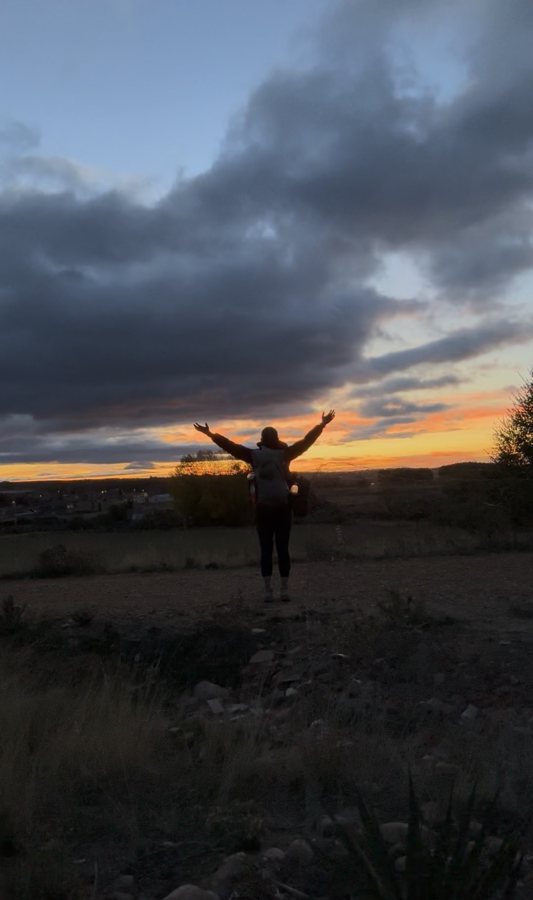
The day's walk was short — around 17 kilometres — because the real plan came after dark: a full-moon night hike to Cruz del Ferro, the famous Iron Cross where pilgrims traditionally leave stones symbolising burdens they carry. The idea had been planted two weeks earlier in Logroño, when a newly met Argentine pilgrim mentioned wanting to hike through the night without a headlamp. They set out at 10:54 pm, and a no-alcohol-until-Santiago pact between trail friends added a layer of shared commitment to the walk.
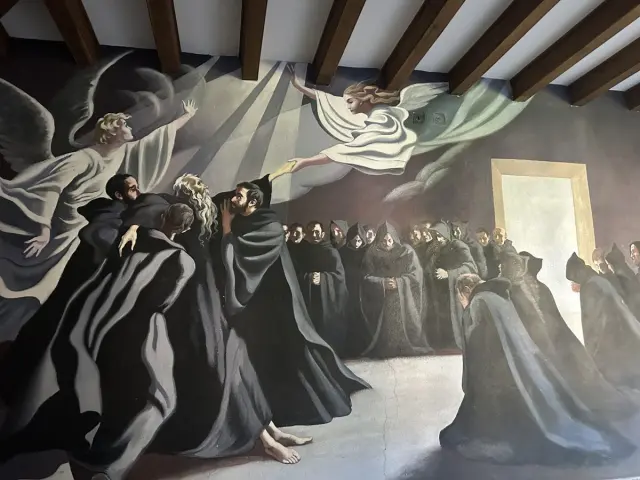
Astorga itself earned a proper visit. The city pairs two standout buildings side by side: Gaudí's Palacio de Gaudí (a neo-Gothic episcopal palace, one of the architect's few works outside Catalonia) and the Catedral de Santa María de Astorga. Entry to the cathedral costs €8 and starts through a museum wing full of centuries-old vestments, wooden sculptures and metalwork. One painting there retells the legend of La Reina Lupa, the pagan queen of Galicia who refused the apostles a burial place for Saint James before converting and turning her palace into a church — a story that, for the writer, captured how older traditions sit beneath the Christian layer of the Camino.
The evening offered the other thing the Camino is really about: a homemade spaghetti dinner in a rented apartment shared with "Camino dads" and "Camino brothers" — the ad-hoc trail family that forms when strangers walk hundreds of kilometres in the same direction. Purchases made in earlier towns were carried in so the group could cook together before the night hike.
For anyone considering the Camino Francés, this stretch between León and Astorga is a good reminder to leave the main path now and then. Donation-based pilgrim cafes and gardens run by volunteers appear along the route, and they're often the moments people remember most. Astorga makes a natural rest day: enough architecture and history to fill an afternoon, plus a kitchen if you're staying somewhere self-catered. And if you want a night walk to Cruz del Ferro, time it to a full moon and check the meseta weather — the section is exposed, and even in spring nights can be cold.
Why it matters: this is the Camino at its most human — small kindnesses, borrowed rituals and a 10:54 pm start toward a cross on a hill. If you're drawn to pilgrimage walking but wary of crowds, stories like this show the route rewards slow, off-guidebook choices.
Original diary via The Trek.