Costa Rica's reputation for abundant wildlife usually works in the country's favour as a travel destination. At its busiest airport, though, it's a logistical headache. Between January and October 2026, Juan Santamaría International Airport, the main gateway to San Jose, logged 22,014 animals on its grounds — and had to disperse 19,001 of them, roughly 86%, to keep planes safe.
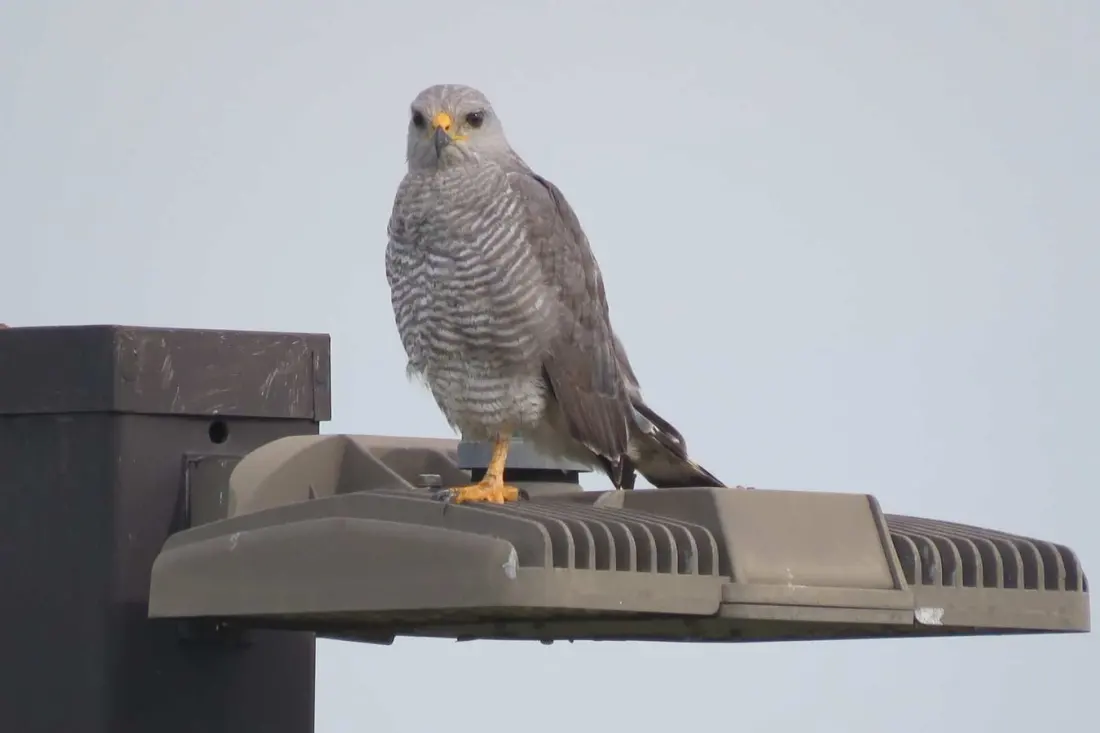
The biggest offenders won't surprise anyone who has walked through a Costa Rican plaza. Great-tailed grackles, the bold black birds known locally as zanates, accounted for 14,568 dispersals — more than three-quarters of the total. Swallows came next at 2,234, followed by vultures (988), crested caracaras (287) and parakeets (252). Birds clustering near runways are a genuine aviation hazard: collisions between birds and aircraft during takeoff and landing can cause serious damage, which is why airports worldwide run dedicated wildlife programmes.
What's interesting at Juan Santamaría is the depth of the operation. Airport operator Aeris doesn't just shoo birds — it tracks which species show up, where they gather and what's attracting them, so teams can target the riskiest zones before problems happen. Tools of the trade include controlled pyrotechnics, lasers, sound equipment and camera traps, all run under International Civil Aviation Organization standards and Costa Rica's own RAC 139 aviation rules. Aeris' operations and safety manager Arturo Zamora says understanding animal behaviour is what makes the preventive work possible.
Grounds teams also inspect regularly for anything that draws wildlife in — standing water, nesting sites, perches, shelters — and remove them. When deterrents fail, animals get captured: 107 captures this year so far, 89 in cage traps and 18 by hand, with rescued creatures handed to wildlife centres where needed.
The programme has a softer side too. Under its Friends of the Bees certification, the airport has relocated 14 bee swarms this year alongside the national Fire Department, protecting pollinators rather than exterminating them. Outside the perimeter, Aeris has funded a sterilisation drive for 24 dogs and cats and run responsible pet ownership sessions with pupils at León Cortés School in nearby El Coco.
For travellers, this is largely behind-the-scenes work — but it matters. It's one reason flying in and out of San Jose remains safe despite an airport sitting in one of the most biodiverse countries on earth. And if you notice a few noisy grackles on the tarmac as you taxi past, you now know they're regulars: the zanate is by far the airport's most persistent stowaway, and the safety teams have had nearly 15,000 practice rounds at moving them along.