Mexico has quietly overhauled its immigration paperwork. New guidelines published in the Federal Register on July 25, 2025 update how the country issues visitor visas and temporary or permanent residency permits — the first substantial revision since 2014. The rules began taking effect during August 2025, and they matter both to holidaymakers and to the growing number of people planning longer stays.
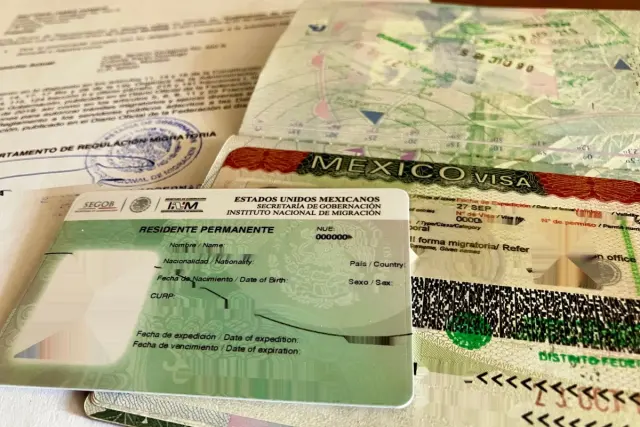
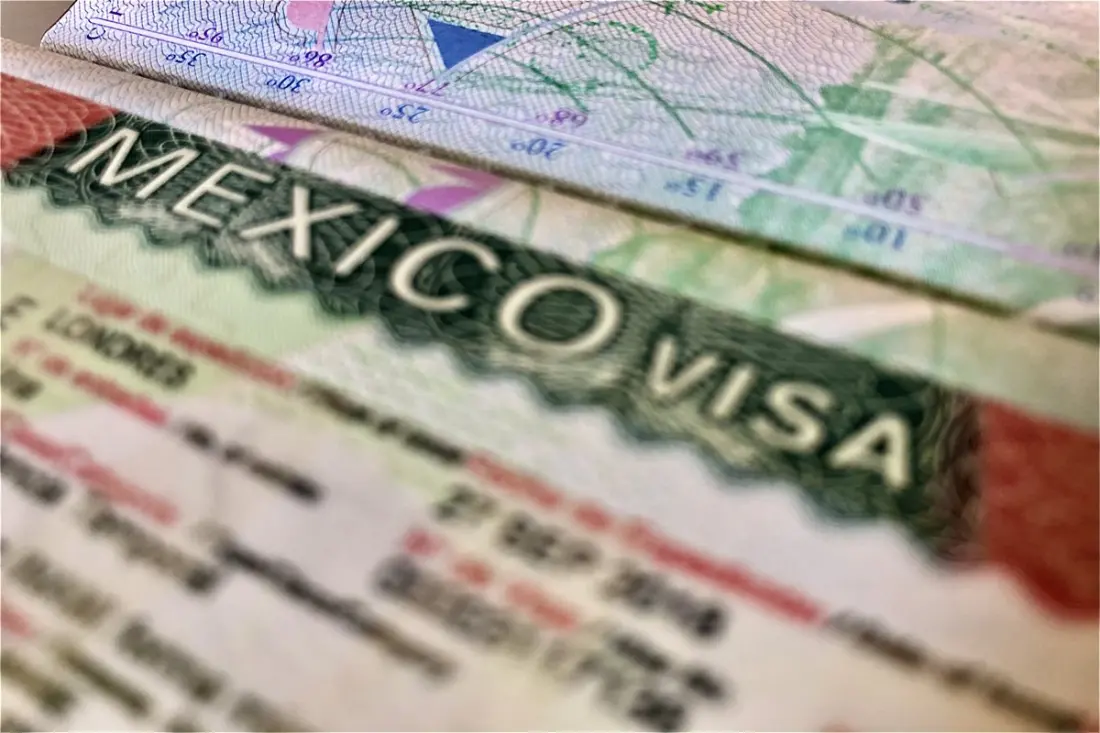
The headline change is digital. Consulates and immigration offices are being set up to issue visas electronically, with QR codes potentially replacing the paper stickers pasted into passports. In some cases you may no longer need to visit a consulate in person at all to apply and get processed. Supporting documents are covered too: digitized paperwork can be accepted in place of printed originals. If your passport is on Mexico's 'no visa required' list, nothing changes — you can still arrive for short visits as before. But if you normally need a pre-arranged visitor visa, expect that stamp to go digital rather than physical.
For residency seekers, the maths behind qualifying has shifted. Applications based on 'economic solvency' — proving a monthly income or a savings cushion — were previously calculated in multiples of Mexico's Minimum Salary. The new guidelines instruct consulates to use the UMA instead, a different unit of account that will change the income and savings thresholds many applicants need to meet.
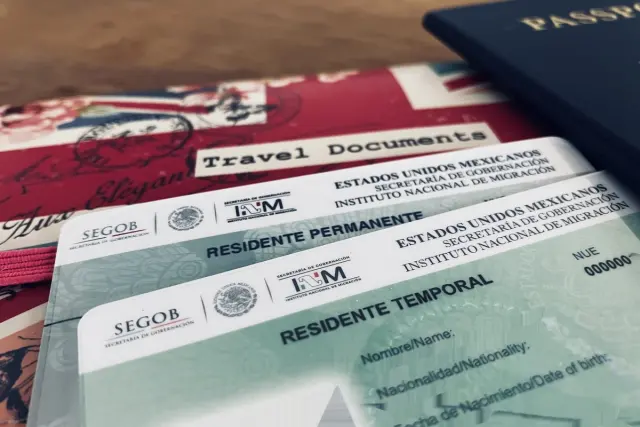
There's also a stricter path to permanent residency. The guidelines now explicitly state that anyone applying for permanent residency without first holding temporary residency must be retired or pensioned. Everyone else will need to hold temporary residency for four consecutive years before converting it to permanent. And in practice, some consulates have reportedly started refusing investment account balances as proof of savings, asking applicants for cash savings only — a detail worth checking with your specific consulate before you apply, since adoption of the new rules may vary from office to office in these early weeks.
The practical reality is that implementation is still settling. Mexican consulates abroad and immigration offices inside the country will adopt the guidelines at different speeds, and how they interpret the fine print is still becoming clear. Anyone planning a move — whether a retiree heading to Lake Chapala, a remote worker eyeing Mexico City, or a snowbird splitting the year between countries — should confirm current requirements with the consulate that will handle their application rather than relying on older guides.
Why it matters: the old rulebook from 2014 no longer applies, and anyone who researched the process a year ago may find the income calculations, document requirements and permanent residency route have all changed under their feet.