The Boeing 737 has been hauling passengers since the late 1960s, but the jets parked at your gate today come from three distinct generations: the Classic, the Next Generation (NG) and the MAX. Spotting the differences is a small skill that pays off for anyone who checks the aircraft type before booking a flight.
The Classic family (737-300, -400 and -500) arrived in the 1980s with one headline change: the CFM56-3 turbofan, which cut fuel burn and noise dramatically compared with earlier engines. Squeezing that bigger engine under the 737's low wing and short landing gear forced Boeing to flatten the bottom of the engine nacelle — the giveaway shape that makes a Classic instantly recognisable on the tarmac.
The NG, launched in the 1990s, kept the same basic fuselage but added a larger, redesigned wing and the CFM56-7B engine, which brought roughly 8% better fuel efficiency and about 15% lower maintenance costs. Blended winglets became an option, later upgraded to split-scimitar versions on some jets. The 737-800 from this family remains one of the most-flown aircraft in the world; American Airlines operates 303 of them, more than any other North American carrier, ahead of Southwest (198) and United (141).
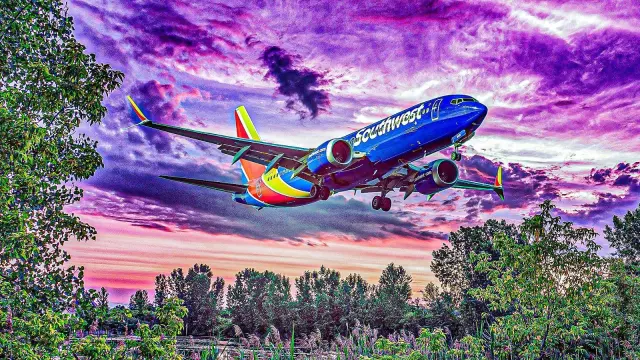
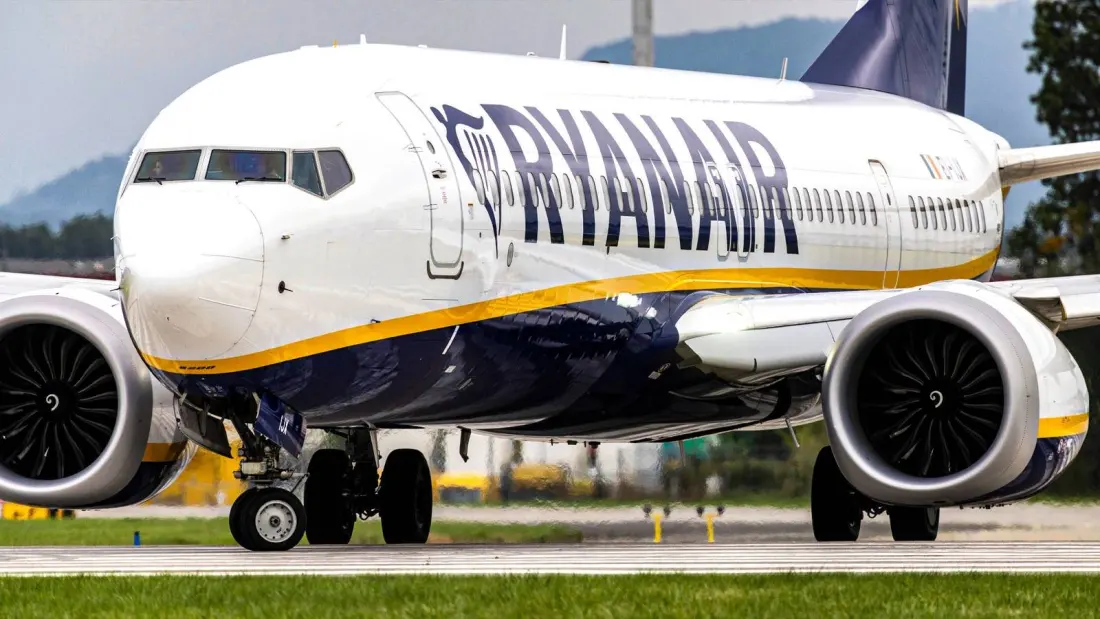
The MAX swapped in the CFM International LEAP-1B engine, cited at around 15% more fuel-efficient than the NG's powerplant, with a much higher overall pressure ratio (about 41:1 versus 28:1). The bigger fan had to be mounted higher and further forward, which changed the aircraft's handling and required additional flight control work — including partial fly-by-wire for the spoilers, though the MAX never adopted full electronic flight controls. Its split-tip Advanced Technology winglets are another visual clue. Southwest is now the largest MAX operator in North America with 300 MAX 8s, followed by United with 243 across the MAX 8 and 9.
Inside the cockpit, the changes are gentler: the NG typically uses six display units, the MAX four larger ones, and both keep the familiar 737 layout so pilots can transition between generations without starting from scratch. Seating varies by fuselage length — from the stubby -700 to the stretched MAX 10 — so two 737s on the same route can feel very different in the cabin.
For travellers, this matters more than it might seem. The MAX and NG tend to be quieter and more efficient on the routes they serve, winglet-equipped NGs can fly sectors up to eight hours, and cabin refits usually track the newer generations. If you're comparing flights and see a 737 MAX 8 against a 737-400, you're looking at roughly three decades of engineering difference. A quick glance at the aircraft code on your booking tells you which experience you're getting.
Simple Flying