Want a cheap Christmas market trip in Europe? Follow the glühwein. Currency firm Eurochange has published its annual Mulled Wine Index, comparing the price of a cup at 55 of the continent's biggest holiday markets — and it doubles as a surprisingly good proxy for overall affordability. With more than 1,500 Christmas markets running across Europe from mid-November to early January, picking a low-cost country is the easiest way to keep the trip budget-friendly, since entry to the markets themselves is essentially always free.
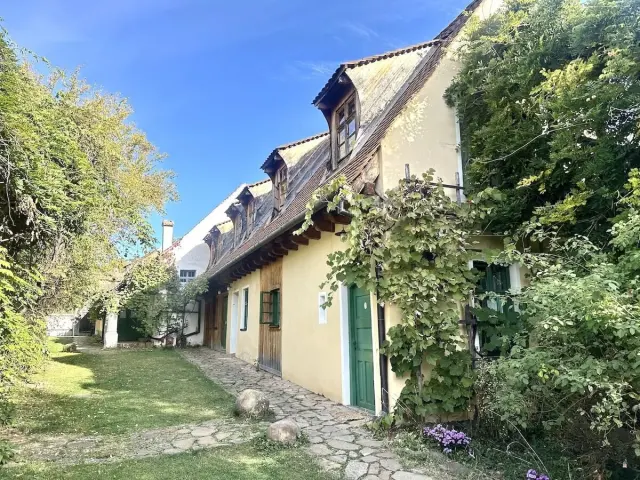
Romania sweeps the top of the 2026 ranking. Sibiu, in central Transylvania, sells mulled wine for as little as 5 leu (about $1.04) a serving, while Brașov and Craiova tie for second at 10 leu ($2.08). Bucharest — recently named Europe's second-cheapest city in the 2026 City Costs Barometer — charges just 12 leu ($2.50). Next comes Sofia, Bulgaria, where a cup costs €2.05 ($2.29), followed by a strong Czech showing: Olomouc and Brno at 50 crowns ($2.29) and Plzen at 60 crowns ($2.75).
There are quirks worth knowing. Poland is generally affordable for US travellers, yet its market towns charge near-Western prices for mulled wine — Krakow at 30 złoty ($7.60), Gdansk at 22 złoty ($5.60), Wrocław at 20 złoty ($5.10). Gothenburg's Christmas at Liseberg market is the opposite anomaly: at 25 kronor ($2.52), its wine ranks among the ten cheapest even though Sweden is one of Europe's priciest countries for hotels and restaurants. Treat the index as a guide, not gospel.
At the other end of the scale, London's Winter Wonderland sells Europe's most expensive cup at £7.40 ($9.86) — nine times the Sibiu price and more than you'd pay in Copenhagen or Geneva. Markets in Strasbourg and Mulhouse (France), Bratislava (Slovakia), Vilnius (Lithuania) and Liège (Belgium) sit right at the €3 mark.
For travellers, the takeaway is simple: if your December budget is tight, point yourself at Romania, Bulgaria or Czechia. You'll get the full atmospheric package — lit-up old squares, handcrafted ornaments, seasonal street food — at a fraction of what the famous German and Austrian markets cost once you factor in accommodation and meals. The full index is at eurochange.co.uk.
Credit: Frommer's