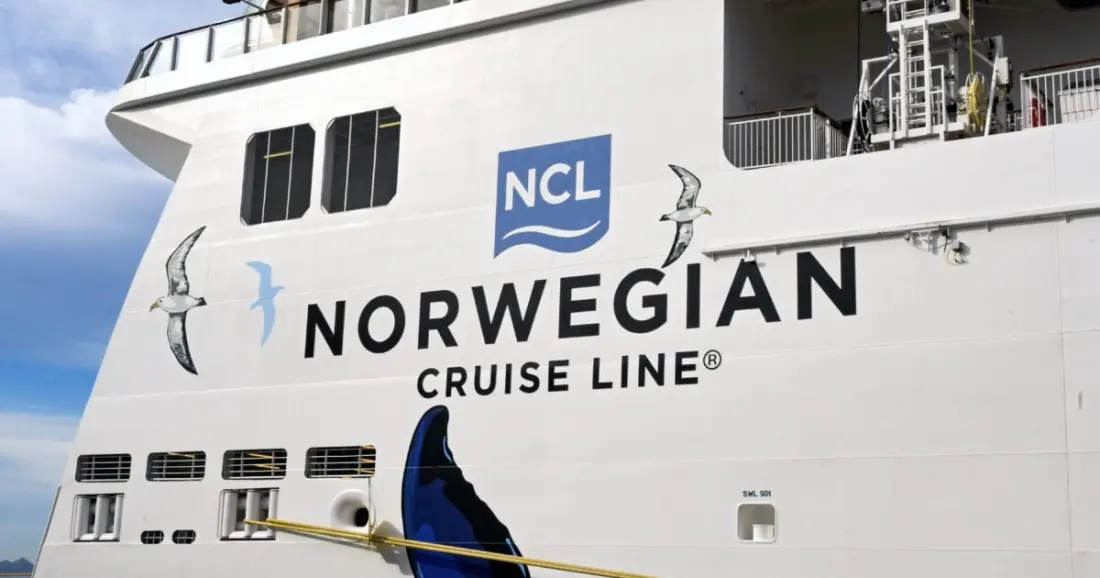
A phishing campaign hitting Norwegian Cruise Line customers has an unnerving twist: the fraudulent emails quote passengers' real names, genuine reservation numbers and the exact amounts they've paid for upcoming sailings. Recipients are told their cruise will be cancelled unless they "verify" their payment method right away — and are pushed to click a link that leads to a site built to harvest credit card details.
The emails did not come from Norwegian. The line has responded with an alert banner at the top of NCL.com, telling guests not to click links, reply, or hand over any personal or payment information. NCL says its legitimate emails only come from addresses ending in @ncl.com, @e.ncl.com or @nclcorp.com, and it urges anyone worried about a reservation to call their travel advisor or ring 866.234.7350 from the US (international numbers are listed at ncl.com/contact-us).
How the scammers got hold of accurate booking data is still unclear, and the cruise line says it is investigating. What's more worrying is the pattern. This follows an October report of a similar con using real hotel reservation details, and there are unverified accounts of scam phone calls deploying authentic personal information too. In the same week, banks around the world reported a spike in attempts by unauthorised AI agents to break into private accounts. Taken together, it looks like confirmation emails and booking records — the bread and butter of digital travel — are being weaponised across the whole industry.
The takeaway for anyone with a trip booked: treat accuracy as no proof of authenticity. An email that quotes your reservation number and the money you've paid can still be a fake. If a message asks you to confirm payment details or personal info — however urgent it sounds — ignore the link entirely. Call the company directly on a number you've looked up yourself, or type the website address into your browser manually. Never click through, even just to "take a peek" at the page.
This matters to every traveller who books online, which is nearly all of us. The old advice about checking for spelling errors and generic greetings is out of date; the new generation of scams can be personalised with your real data. The defence is simple but requires breaking the habit of clicking: verify through a channel you initiate, not one the email hands you. If you've received one of these NCL emails, don't respond — and if you're sailing soon, a quick call to your travel advisor or the line's customer service will put your mind at rest. (Via Frommer's)