
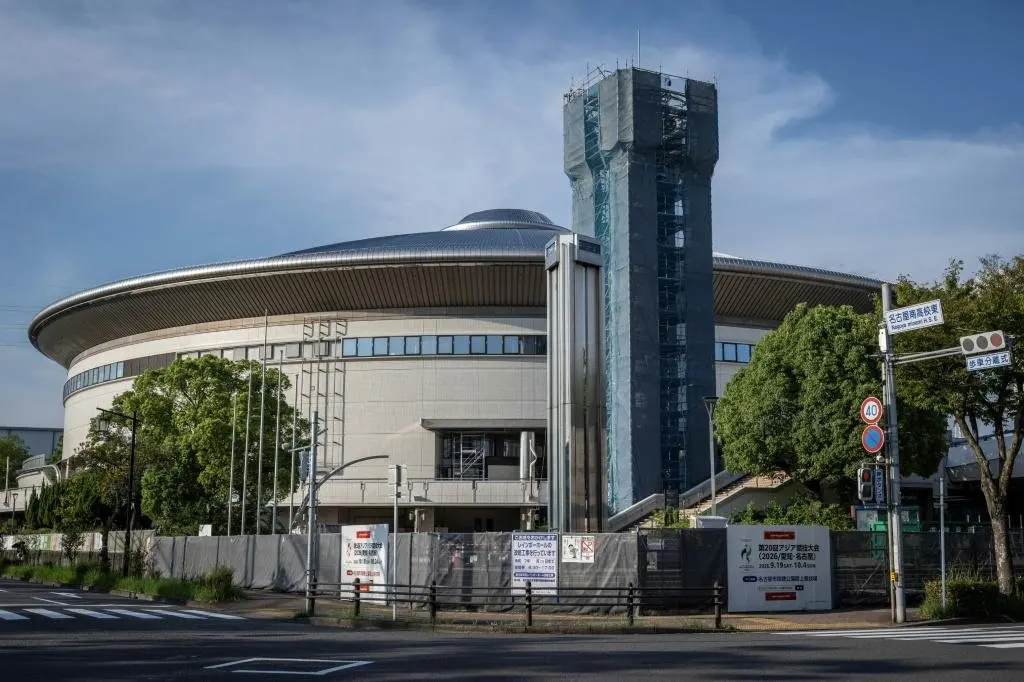
Days before the Asian Games open in Nagoya, Japan, organisers are wrestling with an awkward problem: there simply aren't enough beds for everyone. South Korea's Olympic committee has flagged a "serious shortage" of accommodation affecting delegations from around the world, while Philippine coaches have reportedly been farmed out to different hotels and Airbnb bookings.
The scale of the issue comes down to numbers. More than 17,000 athletes and officials are expected in Nagoya and the wider Aichi region — a bigger crowd than the Olympics — well above the 15,000 organisers originally planned for. With no dedicated athletes' village, and organisers arguing last month they had neither the manpower nor the budget to absorb the surge, the fix is makeshift. Around 4,000 to 5,000 people will sleep aboard the Costa Serena, an Italian cruise ship arriving in Nagoya on Tuesday. Another 2,000 will stay in wooden container-style huts at the city's Garden Pier area, with the remainder spread across hotels, including in Tokyo, where swimming, diving and equestrian events are being held.
Quality as well as quantity is under scrutiny. South Korean basketball player Byeon Jun-hyeong posted a video from his container hut showing a leaking sink and soaked floor, captioned simply "Please help us". Meanwhile, record rainfall briefly forced hundreds of athletes out of the Garden Pier huts last week before they returned two hours later — and more rain is forecast for Nagoya in the days ahead.
Organisers and the Olympic Council of Asia have promised Games-appropriate accommodation for everyone registered before the July deadline, and the Philippines confirms all its athletes have beds. But with delegations still arriving, the squeeze looks set to continue through the opening of the Games on Saturday.
Why it matters to travellers: if you're heading to Nagoya or Aichi for the Games or in the weeks around them, expect hotel availability to be tight and prices inflated — book ahead, or base yourself further out along the rail lines. The story is also a rare, honest look at what big-event accommodation actually looks like when the budget doesn't stretch to a village: container huts and cruise cabins aren't just a curiosity, they're increasingly how mega-events cut costs, and not always comfortably.