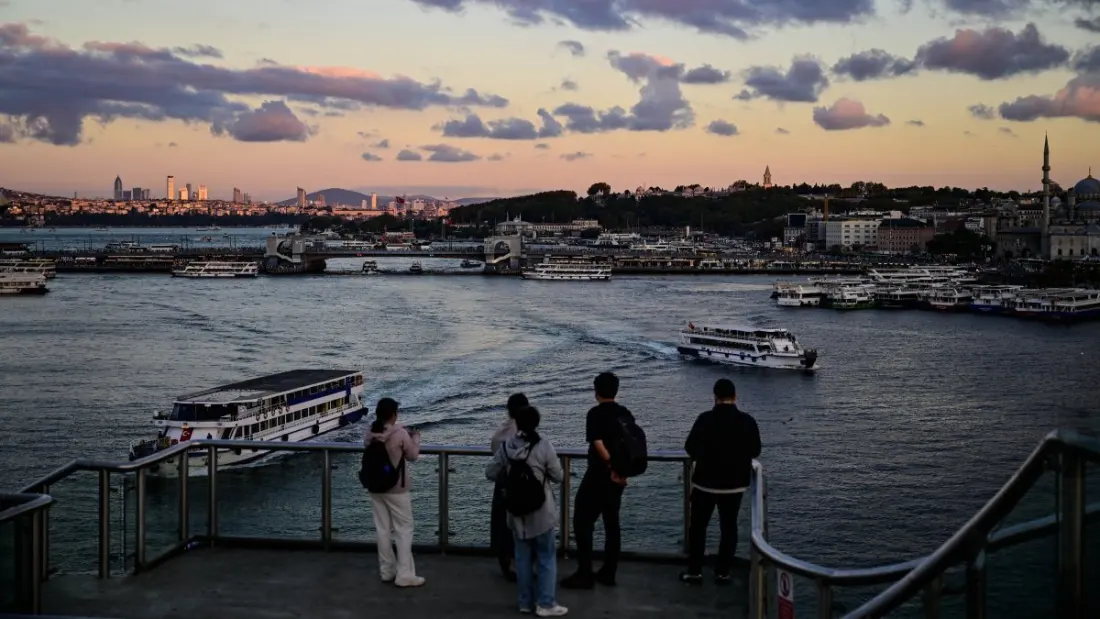
Türkiye has just posted its strongest third quarter on record for tourism income. Culture and Tourism Minister Mehmet Nuri Ersoy announced that revenues rose 5% year-over-year to $25.5 billion between July and September, and climbed 2.4% to nearly $51.3 billion across the first nine months of the year. The government now expects more than $65 billion for the full year — a figure it already cleared in 2025, when revenues hit a record $65.2 billion.
Here's the interesting part: this isn't a story about crowds. Visitor numbers actually slipped. Arrivals fell 1% to 23.37 million in the third quarter, and foreign arrivals were down 1.52% to 40.93 million for January through September. The money still grew because people are staying longer and spending more per night. Average stays stretched past 10 nights — 10.69 in the third quarter — and spending per night rose 4.6% to $107.70, with foreign visitors averaging $119.90. Package tours accounted for $8.2 billion of quarterly revenue, individual spending $17.1 billion, and Turks living abroad contributed 14% of the total.
Russia remained the biggest source market in September, sending 979,647 visitors, ahead of Germany, Britain, Iran and Poland. Meanwhile, Turks are travelling out in bigger numbers too: 4.2 million residents went abroad in the quarter, up 24.2%, spending an average of $723 each.
Ersoy flagged real risks ahead, though. The Iran war and the possibility of spillover into Saudi Arabia, plus drone attacks tied to the Russia-Ukraine conflict, have pushed up aviation costs and dampened demand for the region's beaches and historic sites. His response: pitch Türkiye as a stable option in a volatile neighbourhood, chase growth markets like the US, Canada, Asia, Africa and Australia, expand direct flight capacity with Turkish Airlines and tour operators, and lean on AI and data tools to track demand and tune campaigns.
Why does any of this matter to someone booking a trip? A few takeaways. Türkiye remains hugely popular and well-served — a record 52.78 million foreign tourists came last year, rising to 63.94 million including Turkish citizens living abroad — so flight and hotel capacity is deep, especially via Istanbul. Visitors are clearly willing to pay for longer stays, which suggests good value for slow, multi-centre itineraries rather than quick beach hops. And if the ministry pours marketing into new long-haul markets, expect more direct routes and competitive package deals aimed at North American, Asian and Australian travellers in the coming seasons. The sector is roughly 10% of Turkish GDP and 5% of employment, so the country has every incentive to keep welcoming travellers well, even while regional conflicts reshape who visits and from where.
Figures come from the Turkish Statistical Institute and the Tourism Ministry, as reported by Daily Sabah Travel.