Egypt's most famous tomb may not be the whole story. A fresh analysis of geophysical surveys suggests that possible corridors and chambers extend north of Tutankhamun's burial place (KV62) in the Valley of the Kings — reviving the idea that the boy king was laid to rest inside someone else's much larger tomb.
The study, published in September 2026 in the Occasional Papers of the Amarna Royal Tombs Project, pulls together seven survey campaigns run since 2015. Researchers combined ground-penetrating radar with microgravity measurements — over 1,200 readings across the site — plus electrical-resistivity data from 2017. Structural engineer George Ballard, who analysed the results, identified low-density structures with right angles running parallel to the tomb's north wall. The team proposes a corridor roughly two metres wide and a cluster of possible chambers stretching 25 to 30 metres beyond the known tomb, some possibly linked by rubble-filled passages.
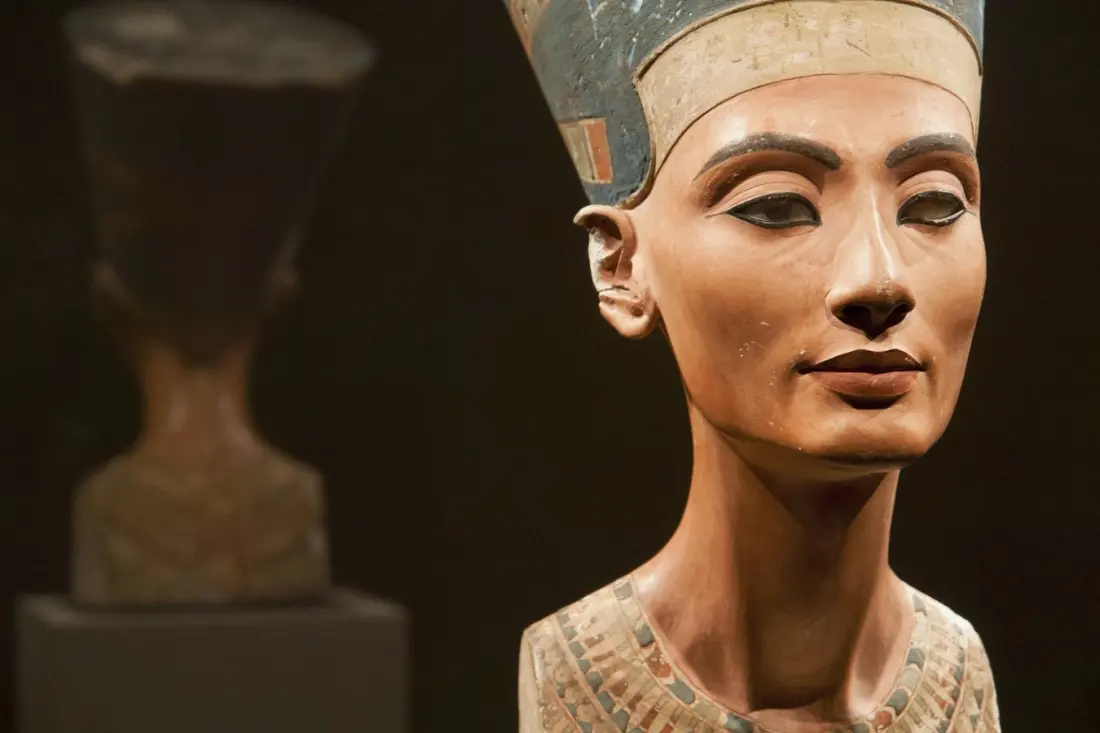
The hypothesis traces back to British Egyptologist Nicholas Reeves, who argued in 2015 that KV62 was originally built for a queen of the 18th Dynasty — possibly Nefertiti, whose tomb has never been found — and that Tutankhamun's burial was squeezed into its outer section after his sudden death. The new research adds weight to that reading, pointing to the tomb's unusual layout and to wall paintings that appear to have been modified for a second occupant. One reading, dubbed "anomaly 7," even hints at a chamber packed with artefacts, though Ballard admits it pushes the limits of the technology.
Scepticism is real. A 2019 radar study found no chambers next to the tomb, and independent experts — including archaeologist Christopher Gaffney of the University of Bradford and geophysicist Peter Styles of Keele University — say the data is intriguing but not conclusive. No excavation has happened yet. The team needs permission from Egypt's Supreme Council of Antiquities, and hopes to drill small access points and send in miniature camera vehicles, potentially as soon as November.
Why care if you're planning a trip? The Valley of the Kings, on Luxor's west bank, is already one of Egypt's essential stops, and KV62 remains the most talked-about tomb on the circuit. If probes confirm anything behind those walls, it would be the biggest Egyptian archaeology story in a century — and a reason to book that Luxor trip sooner rather than later. Even now, standing in that small, golden-filled burial chamber with the possibility of a hidden royal complex metres away makes for one of travel's great goosebump moments. Source: Colombia One.