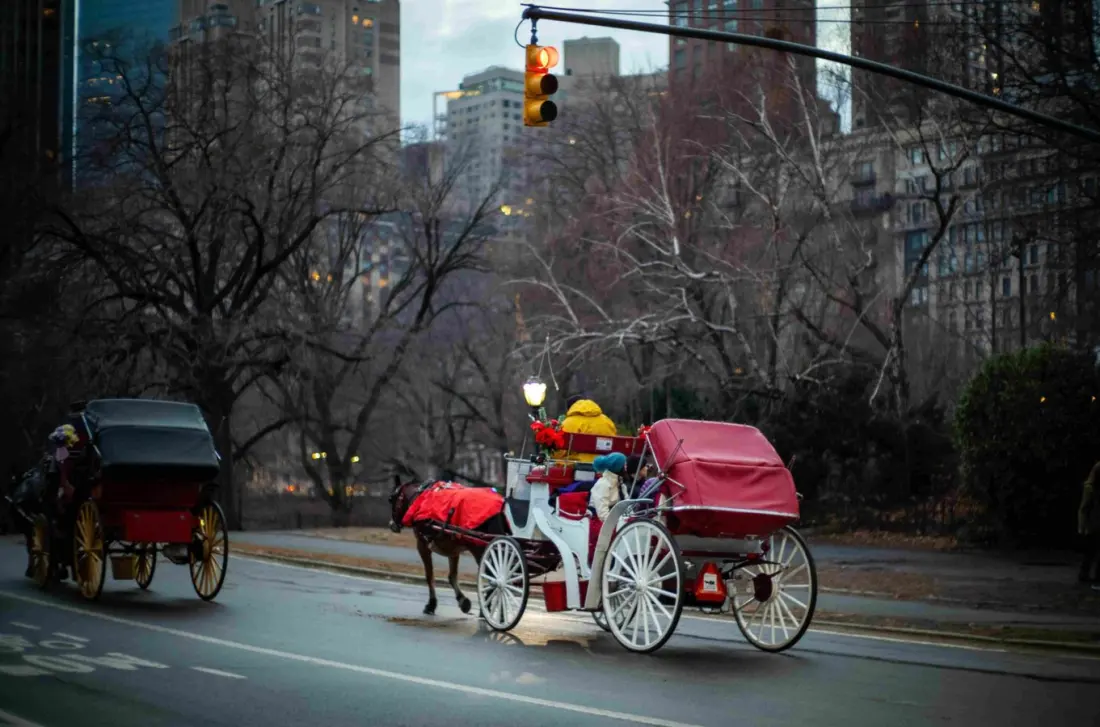
One of New York's most recognisable tourist traditions is on its way out. The city council voted on 22 October 2026 to ban horse-drawn carriage rides from city streets and Central Park from June 2028, passing the measure 40 to seven with two abstentions. Mayor Zohran Mamdani, who supports ending the industry, still needs to sign it into law.
The carriages have been a Central Park fixture for over 160 years, beloved of film and TV — think Sex and the City — and defended by drivers as both heritage and livelihood. But the vote came after a fatal accident in June 2026, when 18-year-old Indian tourist Romanch Mahajan was thrown from a carriage whose horse bolted while the driver stepped away to take a photo. The bill, dubbed Romanch's Law, was approved at a hearing attended by his family. Council Speaker Julie Menin said it would make him the last person lost to the industry.
The death wasn't an isolated case. Earlier in 2026, a horse named Destiny ran into traffic near the park causing a multi-car collision, a driver was hospitalised after a spooked horse overturned another carriage, and a horse called Deniz died after eating a toxic plant. The Central Park Conservancy logged seven horse-related incidents in 13 months and backed the ban on safety grounds. Animal welfare arguments added weight: the Manhattan Borough President's office counts 40 carriage horse deaths since 1982, with horses currently permitted to work up to nine hours a day.
It's not a happy ending for everyone. Drivers like Alexus Lawson, who owns six horses including one named Starlight, are asking what happens to their animals and their careers. The law bans selling horses for slaughter or onward carriage work and lets owners keep them, and the city must produce a transition plan by April covering job placement, training and counselling — plus possible compensation for operators. The Transport Workers Union says compensation isn't guaranteed and has already threatened to seek a restraining order if the bill becomes law.
If you're planning a New York trip, the practical takeaway is timing. Carriages will keep operating until June 2028, so there's still a window to take the classic Central Park ride if it's on your list — or, if you'd rather skip it, plenty of alternatives already exist: cycling the park loops, rowing boats at the Loeb Boathouse, or simply walking the mall. After the ban, expect the city to fill the gap; electric carriage proposals have circulated in past debates, though nothing in this legislation promises a replacement.
For travellers, this is also a signal of how cities are reassessing animal-based tourist attractions. If horse rides matter to your itinerary anywhere — Vienna, Charleston, Marrakech — it's worth checking local welfare debates before you book.
The change won't happen overnight, and legal challenges could complicate the timeline, but as things stand, June 2028 marks the end of a century-and-a-half of hooves in Central Park.