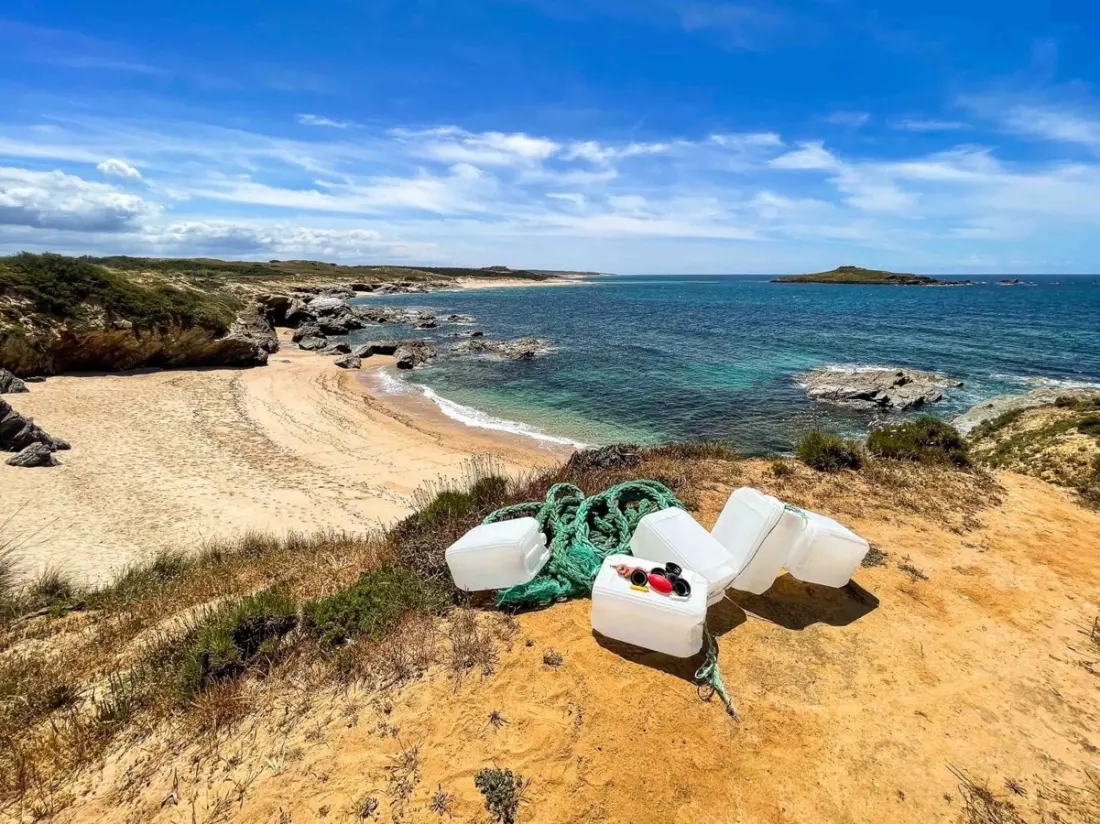
A cultural park on Portugal's southwest coast spent the summer proving that beach litter can be more than a clean-up problem. The Waste 2 Arte exhibition at the Casas da Ilha Cultural and Regenerative Park in Porto Covo, near Sines, turned around nine tonnes of rubbish gathered from local beaches into 350 individual works of art — and pulled in more than 18,000 visitors over a 90-day run.
The raw material came from beaches inside the Southwest Alentejo and Vicentine Coast Natural Park, a protected stretch of shoreline known for its wild, undeveloped beauty. Everything collected was recovered and reworked by artists into sculptures and other creations, with the deliberate aim of making visitors look twice at the bottles, nets and plastic fragments they normally walk past on the sand.
Art was only half the story. The project put environmental education front and centre, running workshops for around 4,000 children focused on the region's natural heritage, its coastal ecosystems and why they're worth protecting. By walking audiences through the full journey — collection, recovery, transformation — the organisers wanted to nudge people towards recycling, reuse and generally leaving the beach as they found it.
The initiative had local muscle behind it too, with backing from Sines Council's Culture Department and the Porto Covo Parish Council. According to the organisers, that civic involvement helped root the project in the region and tie together culture, education and awareness of the area's natural assets.
For travellers, this is a nice reminder that Portugal's southwest coast offers more than surf breaks and seafood. Porto Covo sits at the gateway to one of Europe's most unspoiled coastlines, and the town's cultural park has shown it can stage an exhibition with genuine pull — five figures of visitor numbers over a single summer is nothing to sniff at for a small parish. Even if you miss any future edition of Waste 2 Arte, the beaches that supplied the material are the main event: golden coves, clifftop walking trails and water clear enough to make you care about what ends up in it.
It's also a story with a takeaway beyond Portugal. Beach clean-ups happen everywhere, but this project shows how a community can turn the problem into something people actually want to see — and leave with a different attitude about the litter they generate themselves.