A data error in the EU's new Entry/Exit System (EES) has left a 16-year-old British girl seemingly stuck in Spain — at least on paper — and her family's non-refundable December ski trip to Italy in serious doubt.
Caroline Wood says her daughter Eloise's departure from Madrid was never properly logged after the family visited for the solar eclipse this summer. With no exit recorded, the EES "check how long you can stay" tool now shows Eloise as having zero days remaining in the Schengen area — a status marked "NOT OKAY". Under post-Brexit rules, British passport holders can spend 90 days in any 180-day period in the Schengen zone, so a missing exit stamp can make a perfectly legal traveller look like an overstayer.
The family's attempts to fix the record have hit a wall. The Spanish embassy offices in Manchester and London haven't responded, and Spanish authorities want a notarised passport copy before amending the data. EU rules say Schengen countries must answer a correction request within 45 days — which may be too late for a Christmas flight. Caroline has been told by staff at the British embassy in Madrid that the worst-case scenario is deportation, but she worries Eloise could face a fine or even a ban from visiting Europe.
She's not alone, and the stakes are real. Author Jojo Moyes was recently warned by French border guards that an incorrect overstay flag on her record could mean a two-year ban and a €10,000 fine. The Independent has also heard from other British travellers with missing EES records after trips to France, Spain and Italy — one says they've become "resigned to simply not being able to see my friends again" after repeated failed attempts to fix their file.
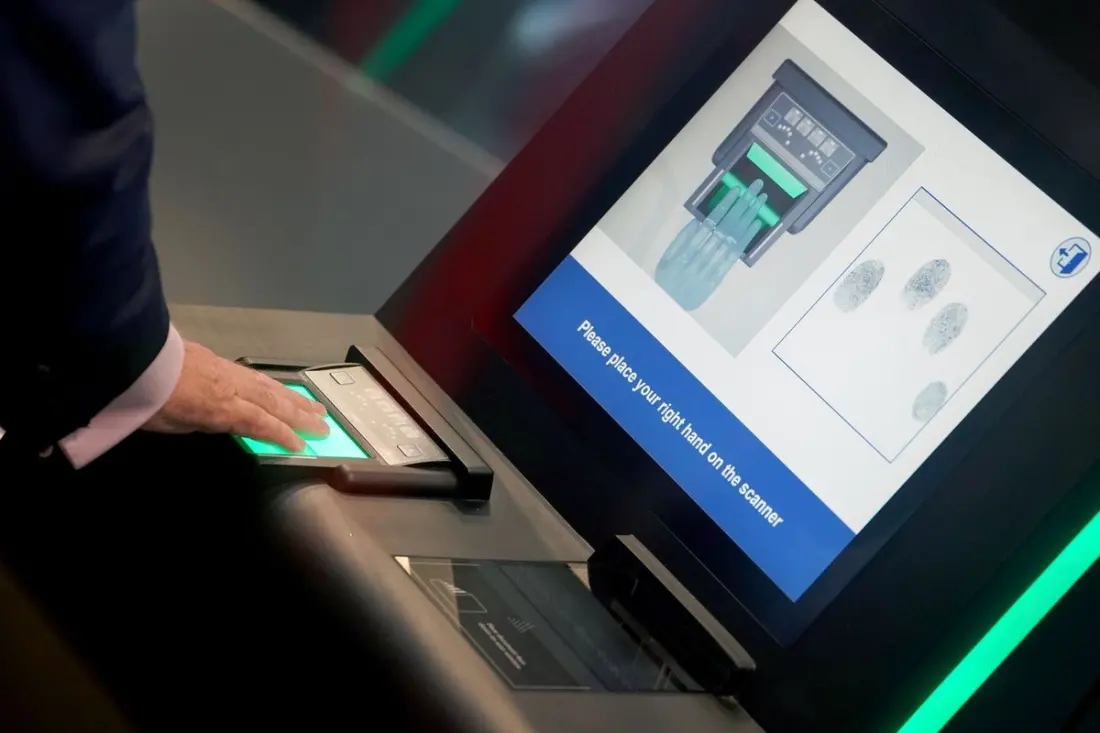
The EES became fully operational on 10 April 2026 and requires non-EU nationals to register fingerprints and a facial photo at the Schengen border. UK officials say they're aware of reports of inaccurate records affecting British nationals — including incomplete files and people wrongly registered at all — and are raising the issue with the European Commission. The FCDO advice for Spain, updated on 11 August, tells travellers to raise suspected errors with border officials at their next crossing and to carry evidence of their movements, such as boarding passes and tickets.
Why does this matter if you're planning a European trip? Because the system is new, glitches are apparently common, and the burden of proof is currently on you. Keep every boarding pass, train ticket and hotel confirmation from Schengen trips. Check your status on the official EES tool before you book anything non-refundable, and again before you fly. If your record looks wrong, contact the relevant national authority early — the 45-day response window can swallow a holiday booking. And at the border, be ready to show documents proving when you actually left the area. A paper trail is now the difference between a smooth crossing and a very awkward conversation with a border guard.
The Independent Travel