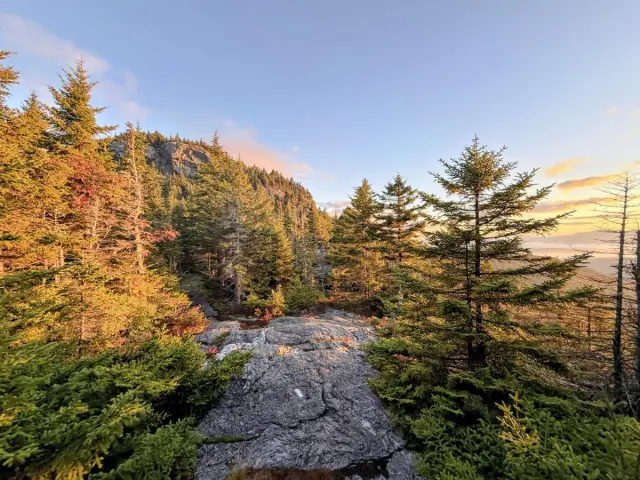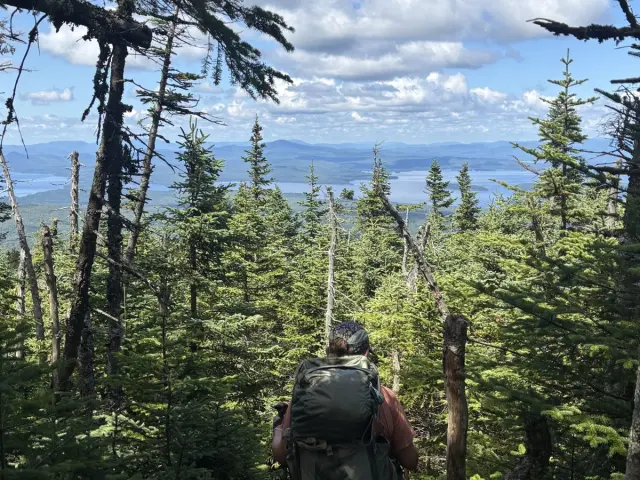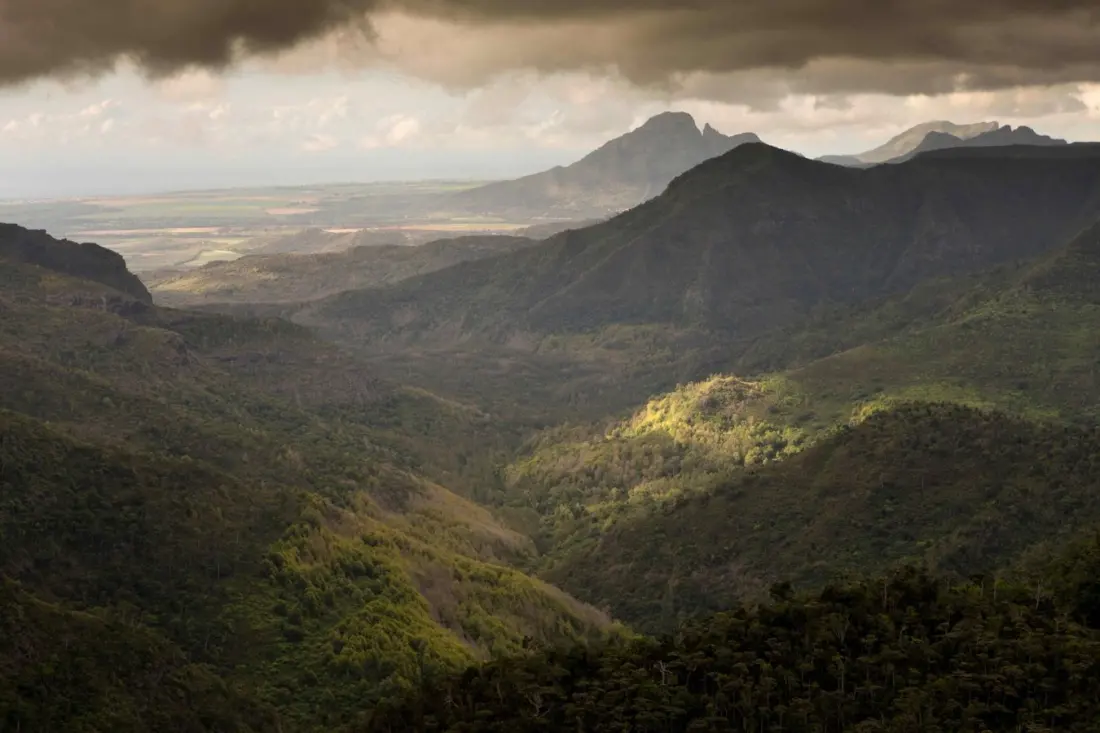
Whale country in far northern Norway just got a legal safety net. On 18 September, Norway formally established the Andfjorden Marine Protected Area, covering roughly 1,850 square kilometres — about 714 square miles, or close to 260,000 football pitches — of water off Nordland and southern Troms. The designation spans the municipalities of Andøy, Harstad and Senja, the dramatic island-and-fjord stretch where two of Norway's great whale-watching regions meet.
What makes Andfjorden worth protecting is what lies beneath. The fjord shelters cold-water coral reefs and gardens, sponge communities and sea-pen beds, alongside kelp forests, shell-sand seabeds and maerl beds that act as spawning and nursery grounds for a long list of fish species. Above the surface, the same waters draw large numbers of whales and seabirds, which is why the area already features on wildlife-watching itineraries.
Not all zones are treated equally. Parts of the fjord identified as especially valuable or vulnerable will face stricter limits on activities than the wider protected area, which otherwise still allows fishing, tourism, space-related operations and defence activity within a managed framework. A dedicated board made up of local municipal, county and Sámi Parliament representatives will run the site — a governance detail worth noting, since the Sámi Parliament's seat reflects indigenous interests in these northern waters.
The designation is also a milestone in a bigger plan. Andfjorden is one of 36 areas earmarked under Norway's Marine Protection Plan, which dates to 2004; with this step, 24 have now been formally protected. Norway says the share of its mainland territorial waters under protection will rise from roughly 4.8% to 6%. Norway's Climate and Environment Minister Sigrun Aasland framed the move as a way of making sure future generations can still experience and benefit from the fjord's natural wealth.
For travellers, this doesn't change much overnight — the fjord's whale safaris, birdlife and coastal scenery were there before the paperwork. But it does add weight to a trip north. Senja and Andøya are already celebrated for jagged peaks, beaches and orca and humpback sightings in winter, and a protected status suggests the underwater side of that experience will stay healthy. If you're planning a northern Norway route between Tromsø and the Lofoten region, Andfjorden sits conveniently in the middle, and a wildlife excursion here now comes with the reassurance that the ecosystem is formally safeguarded.