Fiji is about to become a staging ground for Pacific climate advocacy. From 4 to 8 October 2026, government delegates, feminist movements and academics will gather in Nadi for a Pre-COP side event focused on turning the Belém Gender Action Plan (2026-2034) into national policy across Pacific island countries. The plan, adopted under UN climate processes, pushes countries to strengthen their national gender and climate focal points and shape climate action to local realities.
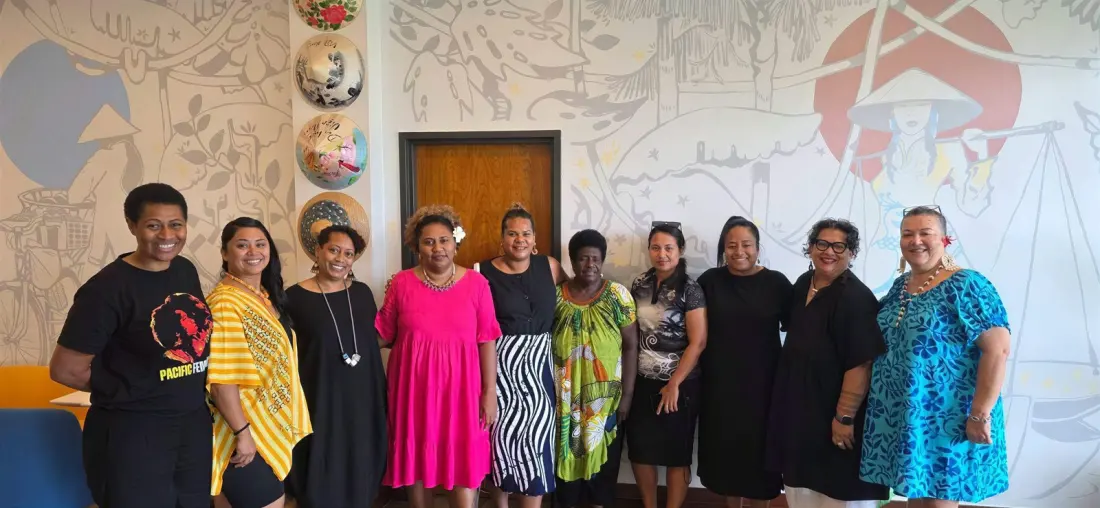
The event is the latest move by a coalition that includes DIVA for Equality, the Pacific Islands Feminist Alliance for Climate Justice, the Pacific Conference of Churches and the ANU Gender Unit, working with at least four Pacific governments. Hon. Minister Sashi Kiran has already been briefed on the coalition's 17 Urgent Demands and three position papers, meaning grassroots Pacific perspectives will feed directly into COP31 priorities.
Those 17 demands are the heart of the campaign. They call for climate finance in the form of grants rather than loans, keeping global heating within the 1.5°C threshold, and putting gender and human rights at the centre of climate justice. They also frame the problem more radically: the coalition argues that climate breakdown is driven by "greed" — neoliberal capitalism, patriarchy, racism, colonialism and class oppression — and wants a shift toward people-led, accountable systems. The demands are being translated into Pacific languages, UN languages and sign language. The scientific framing is stark too: the groups point out that humanity has now crossed seven of nine planetary boundaries.
The work is already happening on the ground. Through a two-year partnership with Urgent Action Fund Asia-Pacific, DIVA for Equality has delivered 91 assistance responses to 55 women-led and LGBTQI+ groups across urban, rural and maritime Fiji, including 18 first-time recipients. The support is practical and unglamorous — water tanks, solar lights, gumboots, raincoats, seeds, farming tools, housing materials, mobility devices and menstrual and sexual-health supplies. The logic is simple: water security is disaster preparedness, and periods don't stop during a cyclone. Resources move by road and boat through networks communities already trust.
Behind the Fiji-based organisers sits a wider regional alliance whose Movement-Led Committee spans the Marshalls, Solomons, Kiribati, Bougainville, the Marianas and Fiji, with the Pacific Conference of Churches as chair. It holds roughly A$1 million in flexible, trust-based funding for community-led climate organising and crisis response.
Why should a traveller care? Because the Pacific is the front line of climate change, and the islands many of us dream about — Fiji, Kiribati, the Marshall Islands, the Solomons — are the ones fighting for their future. Understanding who is leading that fight, and what they're asking of the world, adds real context to any trip to the region. Travellers who care about the places they visit can support locally led organisations, respect community-led recovery efforts, and recognise that climate resilience in the Pacific is built by local women's groups, not imported expertise.
For anyone heading to Fiji in October 2026, Nadi will be busier than usual as climate delegates pass through — a reminder that these small island nations carry outsized weight in global climate politics.
Reported by Islands Business.