A new Commonwealth report has put hard numbers on what many Pacific travellers already sense: the region's seas are climbing well above the global pace. The 'Commonwealth Case Studies on Sea Level Rise' update, released in October 2026, examined Kiribati, Papua New Guinea, Tonga, Tuvalu and Guyana. While the global average sits at roughly 3.2 to 3.5 millimetres a year, Tonga has recorded 7.3mm annually since 1993, and Kiribati and Tuvalu about 5mm.
The human geography behind those figures is stark. In Tuvalu, the entire population lives within a kilometre of the ocean, and in Tonga it's about 84 percent. The report's blunt conclusion: the design assumptions behind existing coastal defences and settlements are already obsolete.
What's holding these nations back isn't just money — though climate finance remains a problem in four of the five countries — it's fragmented laws, weak coordination between national and local governments, and long delays between funding approval and actual work on the ground. The report points to solutions that blend engineered defences with nature-based approaches, especially mangroves, which blunt wave energy, hold sediment in place and support the fisheries local economies depend on. Standout examples worth knowing about include Tonga's Climate Change Trust Fund and community-run mangrove programmes in Kiribati.
Planned relocation is the thorniest issue. PNG's experience moving communities off low-lying islands has run into complications with customary land tenure, while Kiribati and Tuvalu are prioritising ways for people to stay, with managed migration as a backup option.
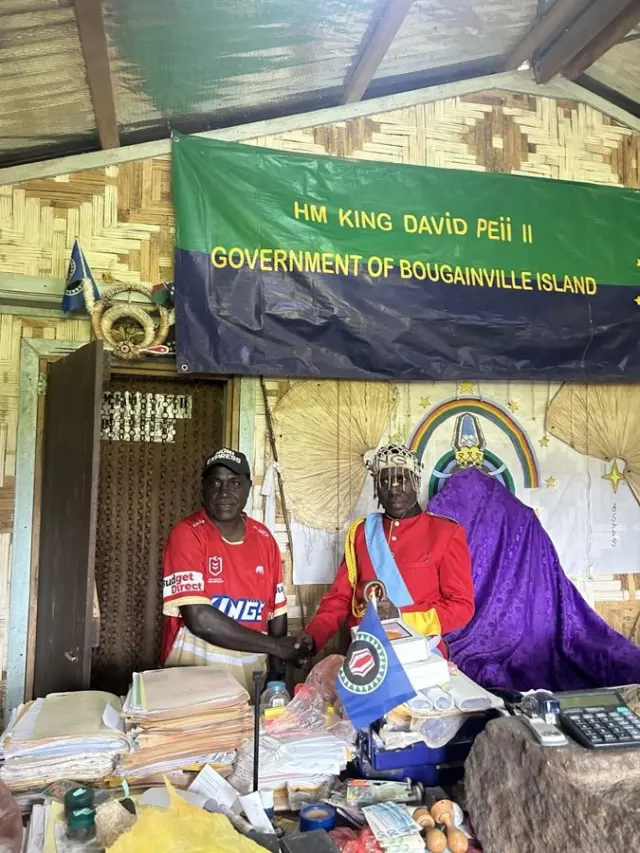
Elsewhere in the region this week: PNG's Parliament has opened debate on the 2019 Bougainville referendum, in which 97.7 percent voted for independence. Minister Manasseh Makiba and Prime Minister James Marape are urging careful, constitutionally sound consideration before any vote. Fiji's PM Rabuka has dismissed former attorney-general Aiyaz Sayed-Khaiyum's claim of a legal flaw in the Constitution Amendment Bill, which is set to take effect on 31 March 2028. And in Vanuatu, Internal Affairs Minister Andrew Napuat says there's no plan to reduce China's police presence, contradicting a joint statement his government issued with Australia.
Why should travellers care? If you're planning a trip to low-lying atoll nations — and you should, for the culture and raw natural beauty — the practical realities are shifting. Coastal erosion can affect beaches, roads and even flight schedules on outer islands, and community-based conservation and mangrove projects are increasingly part of the visitor experience. Travelling with local operators who channel money into these communities is one of the simplest ways to support adaptation where it counts. In places like Tuvalu and Kiribati, tourism isn't just leisure — it's part of the economic case for these nations' futures.