Phú Quốc, Vietnam's largest island, used a lively Saturday evening to show where it's heading. On October 3, the island in An Giang Province hosted the 2026 Vietnam-South Korea Cultural Day, marking 34 years of diplomatic ties between the two countries and, more quietly, previewing the island's big plans.
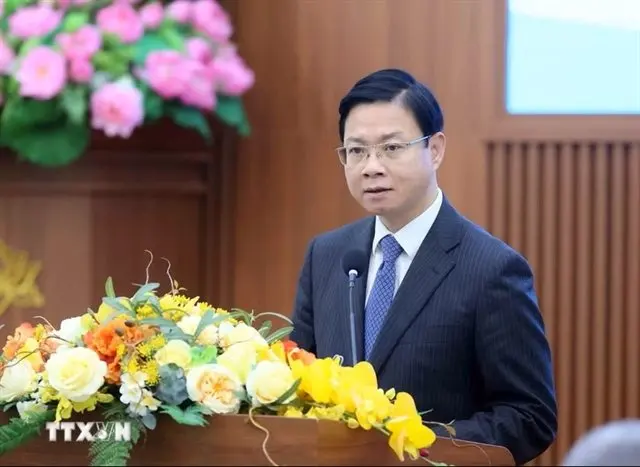
The event was jointly run by An Giang Province and the South Korean embassy, with opening remarks from Nguyễn Thị Kim Loan, vice chairwoman of the Phú Quốc Special Administrative Zone People's Committee. She framed it as a way for Vietnamese and Korean visitors to experience each other's culture directly — and, less subtly, to showcase An Giang's products and investment potential to Korean businesses. Park Chan A, first secretary at the embassy, noted that Phú Quốc's 'Pearl Island' reputation is already pulling in a growing number of South Korean tourists.
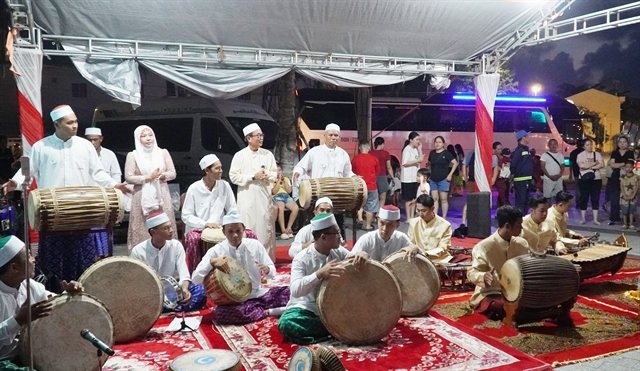
The programme mixed tourism, food and heritage. Korean stalls promoted destinations, cuisine and agricultural products, while a book-themed exhibition explored the two countries' cultural links. An Giang's own display dug deep: the Óc Eo-Ba Thê archaeological complex, national treasures held in the province, and the traditions of its Kinh, Chăm, Khmer and Hoa communities. There was also a commercial angle, with local goods promoted under Vietnam's One Commune One Product scheme.
The real story for travellers, though, is what happens next. Phú Quốc is preparing to host the APEC Economic Leaders' Meeting in 2027 — Vietnam is treating the High-level Week as a major national event under the theme 'Connecting, Building Inclusive and Resilient Economies'. To get ready, An Giang is pushing forward 21 major infrastructure projects: better transport links, airport upgrades, a passenger seaport, expanded power and telecoms, water and waste treatment, urban improvements and a dedicated APEC conference complex.
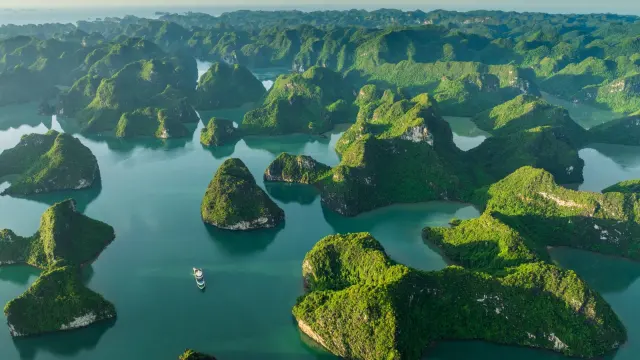
That matters if you're planning a trip. The island that already offers beaches, night markets, pepper farms and fish sauce workshops is about to get significantly better-connected and better-serviced — with the cultural push suggesting a deliberate attempt to court Korean and international visitors beyond the existing regional crowd. Going before the APEC spotlight arrives means fewer crowds and familiar infrastructure; going after means new facilities. Either way, Phú Quốc is clearly aiming higher than its beach-break reputation.
For anyone with a wider Mekong Delta itinerary, An Giang itself is worth a look — the Óc Eo archaeological sites and the province's multi-ethnic heritage make it more than just the gateway to the island.