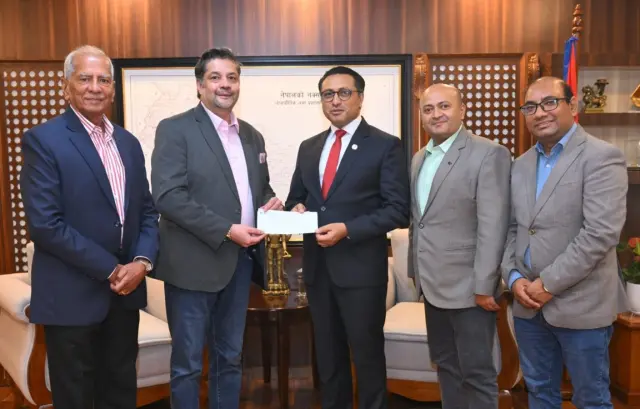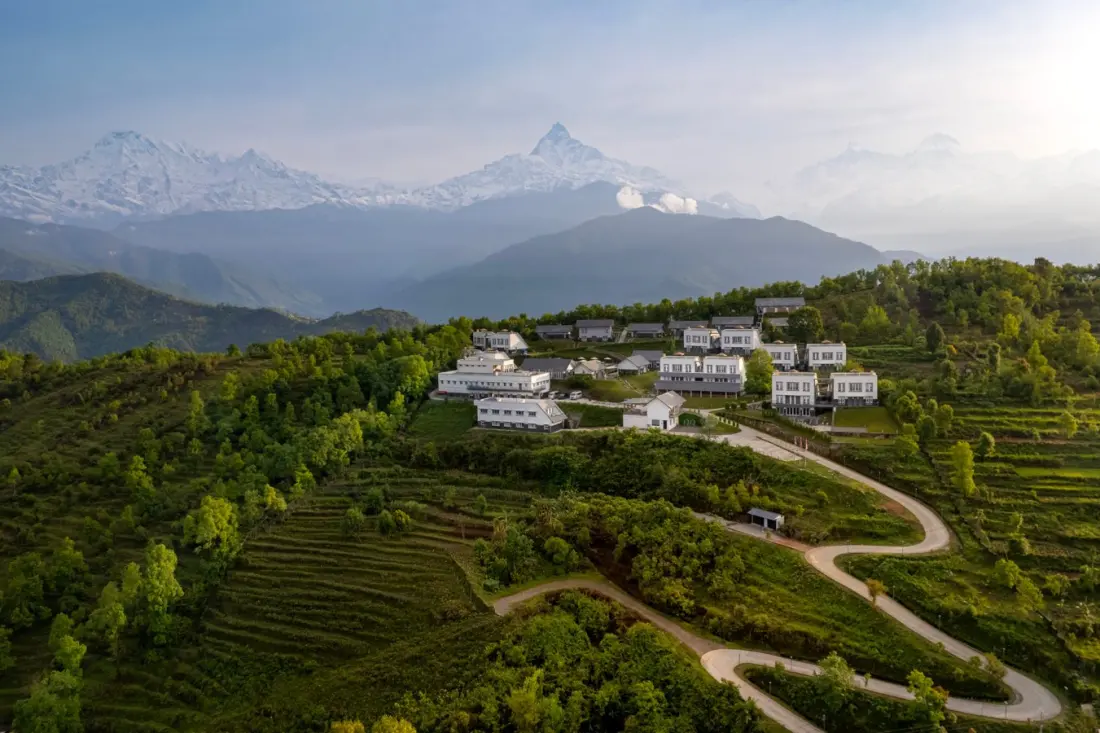
Pokhara, Nepal's lakeside adventure capital, is rolling out the welcome mat for the Indian market. The Himalayan Hideaway Resort, part of The Centara Collection, hosted a group of Indian travel trade and media professionals on a three-night, four-day familiarisation trip that began on 10 September. It forms part of a wider campaign, #NepalCalling, aimed at getting India's travel agents and tour operators better acquainted with the resort and the destination around it.
Why does this matter if you're not a travel agent? Because when the trade gets familiar with a place, packages follow. Indian operators who have slept in the rooms, walked the grounds and met the staff are far more likely to build Pokhara itineraries around a property like this — usually at prices and with flight connections that work well for Indian holidaymakers.
The setting helps. Pokhara sits beside Phewa Lake with the Annapurna range stacked behind it, and it doubles as the gateway to treks in the Annapurnas and shorter adventures like paragliding, boating and sunrise trips to Sarangkot. For Indian visitors, Nepal has long been an easy win: no visa required, short flights from Delhi and Mumbai (or a scenic overland route), and the Indian rupee is widely accepted. A resort-level property in Pokhara gives the destination a stronger base for travellers who want mountain views without sleeping in a teahouse.
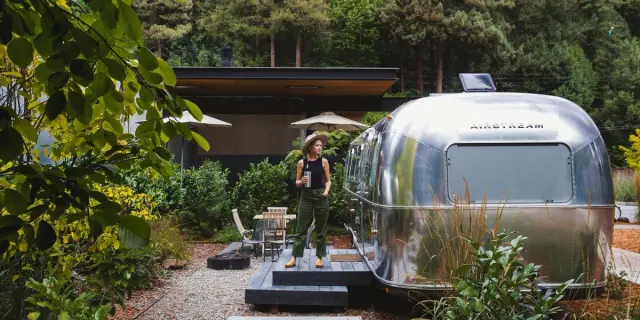
Himalayan Hideaway positions itself as a resort escape rather than a city hotel, which fits the way Pokhara is evolving — from a trekker's stopover into a standalone leisure destination where you can spend four or five days by the lake, spa and pool included. The familiarisation trip's length, three nights, is a telling detail: it suggests the resort sees Pokhara as a destination in its own right, not just a one-night stop before a trek.
For anyone planning a Nepal trip, the practical picture is straightforward. Fly into Kathmandu's Tribhuvan International Airport and connect to Pokhara — a short domestic hop — or take the tourist bus or private transfer along the Prithvi Highway, roughly six to seven hours with mountain scenery the whole way. The new Pokhara International Airport has also opened the door to more direct flights. Add on time in Kathmandu's Durbar squares and stupas, or push on to Chitwan National Park for jungle safaris, and you have a well-rounded two-week Nepal itinerary.
Keep an eye on what #NepalCalling turns into. When hotel groups court the trade, the traveller usually benefits — more packages, better air deals and itineraries designed around how people actually want to holiday, whether that's trekking the Annapurna Circuit or doing very little beside a lake with the mountains doing the entertaining.
Story first reported by Nepali Times.