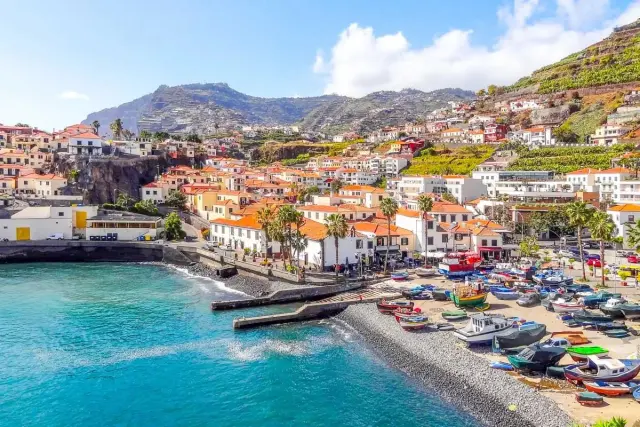
Happiness, according to Thomas Jefferson, was something Americans were free to pursue — a famously slippery promise, since nobody ever quite defined what it looks like. Columnist Nickunj Malik, writing in the Portugal Resident, argues that moving to Portugal gave her a better answer than any philosopher she'd read.
Her starting point is familiar. As children, happiness was simple: a new cricket bat, a plate of mangoes, a surprise day off school. As adults we swap those for promotions, bigger houses, better cars and money in the bank — then spend decades wondering why the acquisitions never delivered. Her line on the irony is sharp: we spend half our lives collecting things meant to make us happy, and the other half asking why they didn't.
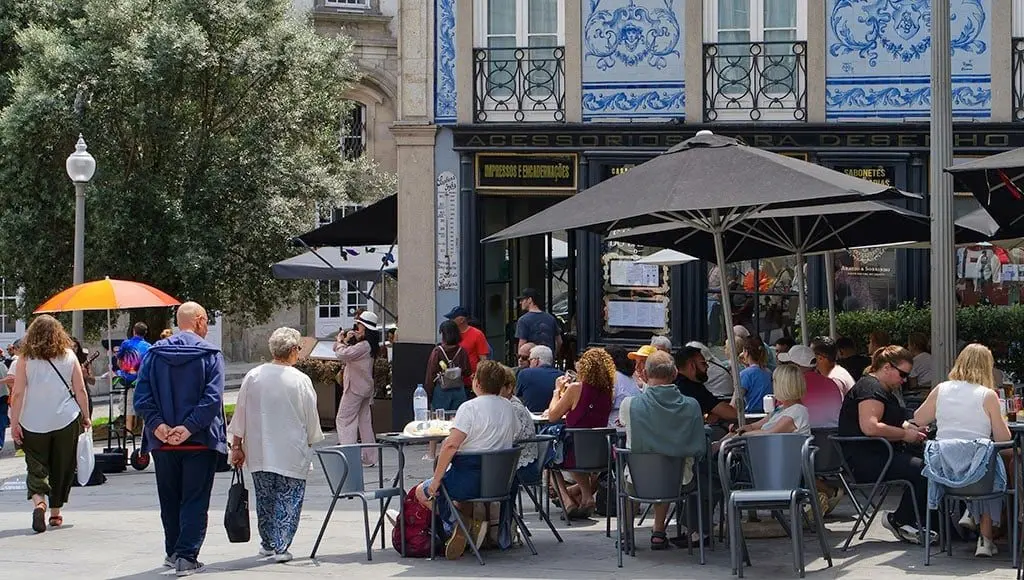
Portugal, she suggests, has quietly worked out an alternative. People linger over coffee instead of answering emails with a cup in hand. Lunches stretch into hours. A neighbour's chat is never rushed along by a productivity coach. Nothing is scheduled, demanded or optimised — and that, she argues, is precisely the point.
She threads this through some old ideas: the Greek notion of eudaimonia (a flourishing life rather than a fleeting mood), the Stoic advice to focus only on what you can control, Buddhism's warnings about attachment, and modern psychology's emphasis on relationships, purpose and meaning. Her own conclusion is more practical. Happiness behaves like Portuguese sunshine — you can't order it or book it, you can only position yourself outdoors and hope. The sensible strategy is to build conditions where it's likely to find you: eat slowly, walk without a destination, learn a language, call an old friend, sit in a café watching the world pass, and occasionally do absolutely nothing without guilt.
For travellers, this is a useful reframe. Portugal isn't just pastéis de nata and tiles; its real export, if you spend more than a weekend there, is a pace of life you can borrow. Park yourself at a café table in Lisbon or a pracinha in a small Alentejo town, order a bica, and don't check the time. It's the cheapest and most authentic activity the country offers.
Malik ends on a domestic note that sums it all up. Asked what makes him happy, her husband replies that her being happy makes him happy — which is about as good a working definition as anyone has managed.