A plane descending into Puerto Plata serves up postcard material: green mountains, palm-lined coast, water in every shade of blue. Then you collect your bags, get on the highway, and start counting plastic bottles in the bushes. That contrast is the subject of a pointed opinion piece by two long-time expat residents published in Dominican Today.
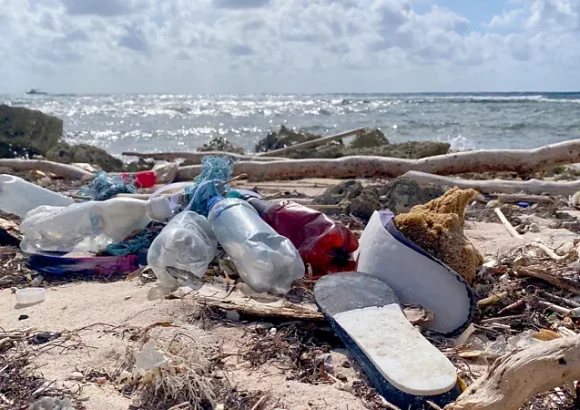
The writers' argument is simple. Dominican national pride — orgullo patrio — is on full display every 27 February, when schoolchildren in red, white and blue march through the streets for Independence Day. But pride, they say, shouldn't be a once-a-year costume. It should show in how the country is treated the other 364 days, and right now the roadsides, ravines and rivers tell a different story. Bottles tossed from motorbikes, rubbish bags chucked from car windows, waterways so choked with waste the water is barely visible — and much of it eventually washes to the same ocean that draws millions of visitors.
The authors point out the obvious economic contradiction too. Tourism pays salaries and supports whole communities, yet the approaches to the beaches are often strewn with litter. They look north for a comparison: America's 1971 "Crying Indian" public service campaign, which — whatever its controversies — made littering socially embarrassing. Something similar, they suggest, could work here.
There are encouraging signs. Volunteers, local organisations and businesses regularly give up weekends to clean beaches. And on 18 September 2026, President Luis Abinader inaugurated a new waste-management facility in Puerto Plata backed by roughly RD$1.6 billion in investment — a serious step for a region with long-standing disposal problems. But the writers are clear that infrastructure is only half the fix. They also flag a real gap: public rubbish bins are scarce, and household collection is inadequate or absent in some communities. A modern facility can't retrieve a bottle someone throws into the bushes on the drive home.
Why should a traveller care? Because this is the country you'll actually see between the airport and the resort. Some of it is out of your hands, but some isn't: hold onto your rubbish until you find a bin, join a beach clean-up if one's running, and take the authors' household rule as your own — everyone picks up ten pieces of litter before leaving. For anyone who has fallen for the DR and thought about staying longer-term, the piece is also a quiet invitation: you don't have to be born somewhere to take pride in it.
The bigger takeaway is that the DR's beauty and its litter problem share the same postcard. Fixing one protects the other.