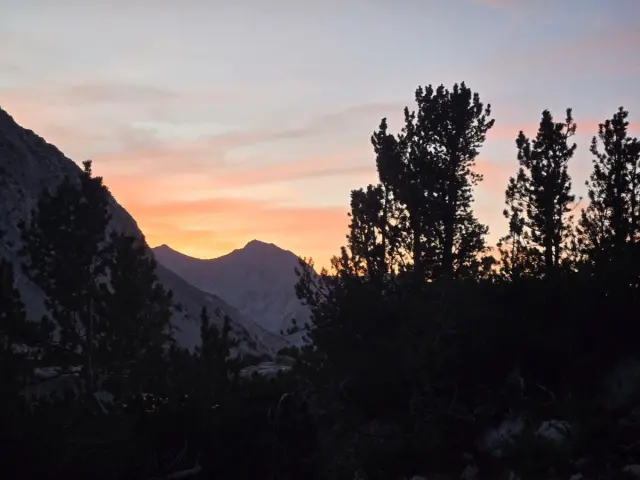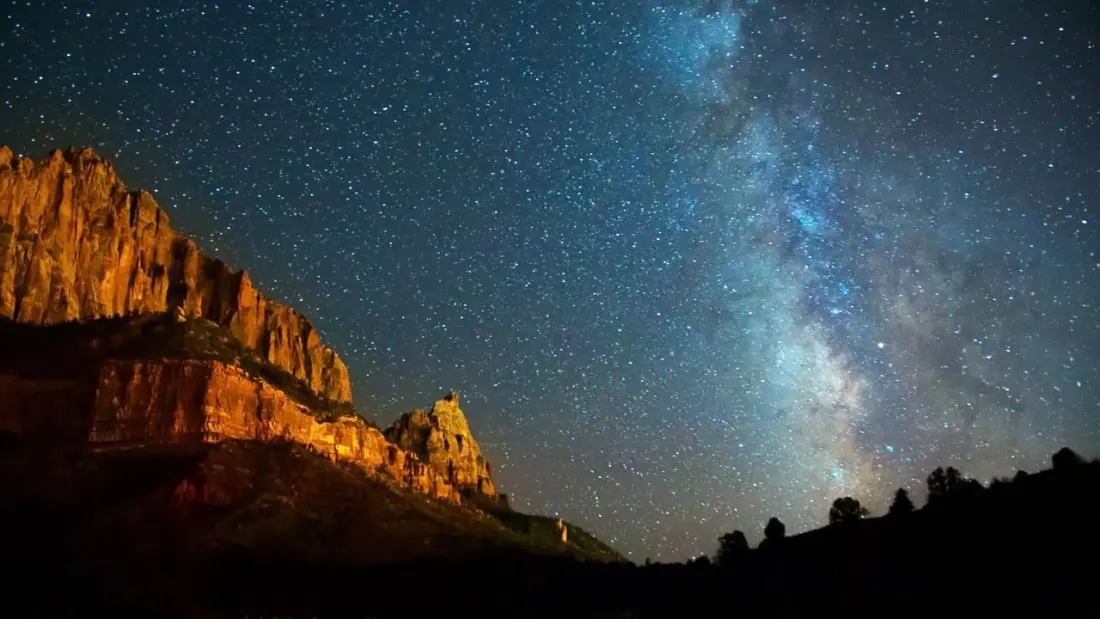
Utah's national parks are famous for a reason — Zion alone logged over 1.4 million visitors in a single summer, and Arches pulled in more than 445,000. But there's a quieter way to see them: wait until sunset, when the crowds leave, temperatures drop, and the stars come out. Utah has the highest concentration of certified International Dark Sky Places on Earth, and all five of the Mighty 5 (Zion, Arches, Canyonlands, Capitol Reef, Bryce Canyon) hold dark sky status. Increasingly, the parks are building evening experiences around that.
One writer recently tested this on a week-long September road trip linking four national parks and three state parks, hiking by day and heading out after sundown. In Capitol Reef National Park, a guided night hike to Hickman Bridge — a 1.8-mile round trip that's routine by day — becomes something else entirely by flashlight: petroglyphs, a Fremont corn-storage site, total silence, and a moonlit sandstone arch backlit by stars. Guides from local outfitter Western Whiptails Adventures point out nocturnal residents too, from bats and kangaroo rats to the rare ringtail.
Dead Horse Point State Park, near Canyonlands, has turned night into programming. For the $20 entrance fee you get stargazing, astronomy talks, sunset walks and the cult favourite: scorpion hunting. Rangers hand out UV torches — scorpions are biofluorescent and glow blue under blacklight — and lead groups down an easy trail after 8 p.m. Sightings are near-guaranteed in warmer months, and no one has reportedly ever been stung on a walk. The activity ramped up in 2015 as part of the park's dark sky certification push, building on stargazing traditions that go back to the 1970s.
For something calmer, Sand Hollow State Park near Hurricane — about 25 miles from Zion — runs monthly full-moon kayak paddles from April to September. Groups of up to 30 launch at moonrise (just after 7 p.m. in autumn) and float out to an island inhabited by raccoons, drifting under a sky that still holds a few hundred visible stars even near a full moon.
The appeal is obvious if you've ever queued for Angel's Landing or circled Arches for parking. Night visits trade crowds for solitude, heat for comfortable temperatures, and add stargazing to the itinerary for free. The practical stuff: Capitol Reef is open 24 hours but a guide makes a first night hike far safer; Dead Horse Point's evening programmes run until the park closes at 10 p.m.; Sand Hollow keeps its gates open until 10 too, with ranger-led groups staying later. Scorpion season effectively ends by late September when cold snaps send the critters underground, so aim for summer nights if glowing arachnids are the goal. Pack a headlamp, a warm layer for the desert temperature drop, and enough courage to switch the torch off — your eyes adjust faster than you'd think.