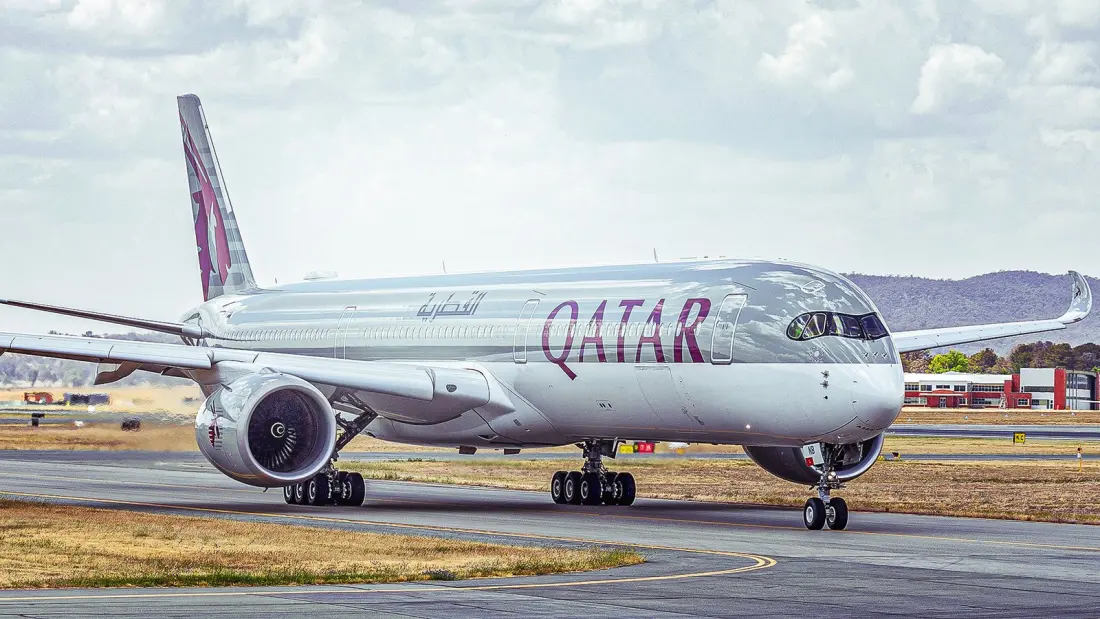
If you're planning Doha to Los Angeles this winter, note the change: Qatar Airways will drop from daily to four weekly flights on the route for the 2026/27 winter season. The twist is what it's flying. Rather than swapping its flagship Airbus A350-1000 for a smaller aircraft — the usual industry move when frequencies shrink — the Gulf carrier is keeping its largest widebody on the 8,300-mile, 16-hour-35-minute sector.
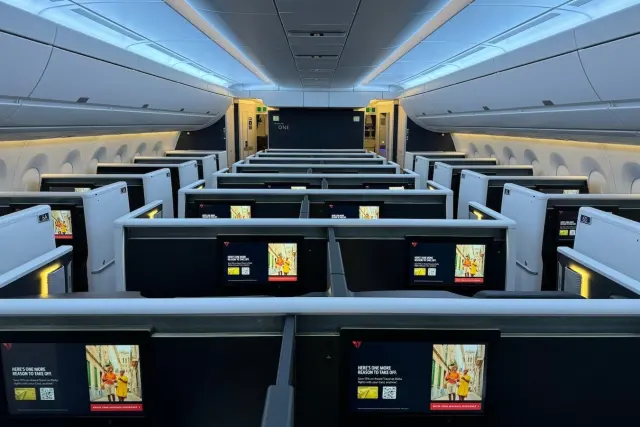
Why does that matter to passengers? Because the A350-1000 carries 46 Qsuite business class suites versus 36 on Qatar's smaller A350-900, plus far more belly cargo space — up to 20.8 tons across 44 container positions. Weekly two-way seats on the route fall from 4,578 to 2,616, but every remaining departure keeps the full premium cabin. On a route where business tickets can run into five figures, that's where the money is, and cargo yields between Southern California and Middle Eastern and South Asian logistics hubs do a lot of heavy lifting too.
The LA trim isn't happening in isolation. Atlanta drops from daily to four weekly (keeping the A350-1000), Boston also goes to four weekly on the smaller A350-900, and Miami shifts from ten to seven weekly flights. The freed-up flight hours are being redeployed where demand is stronger — Johannesburg, for instance, rises to 18 weekly flights from December 2026, with more additions across Africa and East Asia.
There's a competitive angle as well. Emirates flies a daily A380 into LAX with first class suites, so downgrading the premium product on even a reduced schedule risks losing high-value corporate travellers to rivals. And with Boeing's 777X repeatedly delayed — Qatar has 124 on order — the airline has little choice but to lean on its existing A350-1000 fleet, which now operates 61 daily departures from Doha across 73 destinations.
For travellers, the takeaway cuts both ways. You'll have fewer dates to choose from on some US routes this winter, but the onboard product doesn't change: same Qsuite, same full cargo-flexible widebody on every LA departure. It also signals a broader shift among long-haul carriers — fewer, fuller flagship flights instead of daily service on diluted aircraft — which may become the norm on ultra-long routes during off-peak seasons.